








For the thousands of Americans diagnosed with lung cancer every two minutes, the path to treatment begins with a diagnostic hurdle: the lung biopsy. While essential for staging and planning, this procedure is fraught with a complication that has long been accepted as a "cost of doing business" in interventional radiology: the pneumothorax.
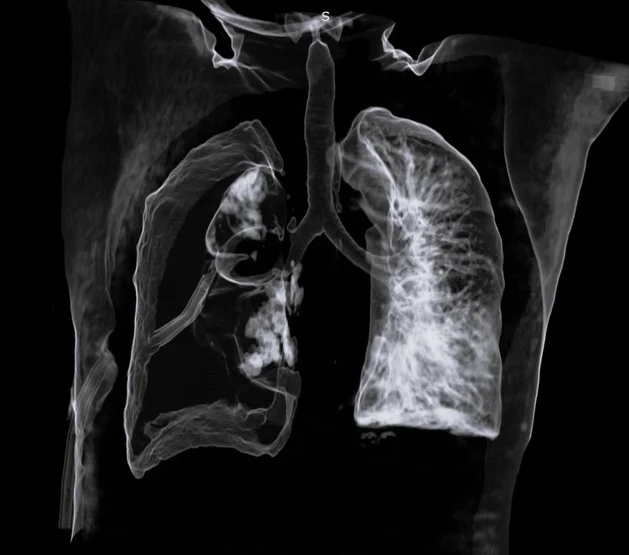
A pneumothorax, or collapsed lung, occurs when air escapes into the space between the lung and the chest wall. It is a common, painful, and expensive complication of CT-guided biopsies. Now, an Irish medical technology startup, Selio Medical, is poised to change the standard of care with a proactive, hydrogel-based sealing technology that aims to prevent the injury before it even happens.
The Silent Crisis of Lung Biopsy Complications
In the United States, more than 800,000 CT-guided lung biopsies are performed annually. Despite advancements in imaging and needle precision, the rate of pneumothorax remains stubbornly high. Up to one-third of patients undergoing these procedures will experience a lung collapse.
For the patient, this means sudden shortness of breath, acute chest pain, and an unplanned multi-day hospital admission. For the healthcare system, the financial burden is staggering. Beyond the immediate cost of emergency chest tube insertion and extended hospital stays, each case of pneumothorax effectively erodes the profit margins of 20 to 30 uncomplicated biopsy procedures. It is a classic example of an "iatrogenic injury"—a harm caused by the medical intervention itself—that has historically lacked a robust, preventative solution.
Chronology: From Dublin Innovation to U.S. Market Entry
The journey of Selio Medical reflects a strategic evolution in medical device engineering, moving from the drawing board to the bedside.
- The Problem Definition: Recognizing that existing techniques for managing pneumothorax—such as the "blood patch" method or the "manual rolling" of patients—were reactive, the founding team at Selio Medical set out to design a proactive intervention.
- Engineering the Solution: The company focused on developing a biocompatible, biodegradable hydrogel that could seal the puncture tract instantly.
- Regulatory Milestones: Following rigorous bench testing and preclinical validation, the device secured FDA clearance, confirming its safety and efficacy profile for clinical use.
- Preclinical Validation: In a critical head-to-head study against the Biosentry system—the only other FDA-cleared competitor in this space—Selio’s technology demonstrated a 70% reduction in pneumothorax cases, with no clinically significant complications reported.
- The Series A Push: With the technology validated, the Dublin-based company recently initiated a €5 million Series A funding round. This capital is earmarked to fuel their U.S. commercial expansion.
- The U.S. Launch: This fall, Selio Medical will begin its clinical rollout, starting with pilot programs at two major medical centers in New York, marking the company’s first foray into the competitive American market.
Supporting Data: Why Prevention Outperforms Treatment
The traditional methods of managing pneumothorax are inherently limited by their timing. Clinicians have long used "blood patches," where a patient’s own blood is injected into the needle tract to create a clot, or have asked patients to lie on their puncture site in hopes of using body weight to seal the wound.
As Selio Medical CEO Colm McGarvey noted during a presentation at the Guinness Enterprise Centre, these methods share a fundamental flaw: they are post-biopsy interventions. They attempt to "fix" a collapse that has already occurred, by which time the patient is already suffering from the physiological effects of the trauma.
The Hydrogel Advantage
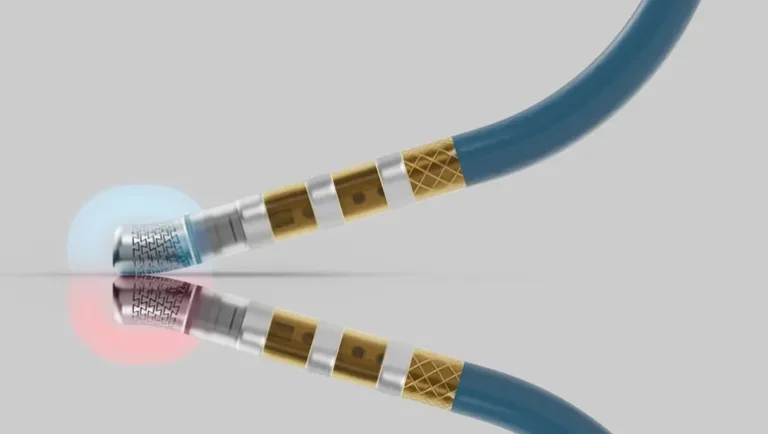
Selio’s device shifts the paradigm from repair to prevention. The product is a pre-filled syringe containing a specialized hydrogel that attaches seamlessly to the introducer tools already standard in interventional radiology suites.
The procedure is straightforward:
- Access: The clinician performs the lung biopsy using standard techniques.
- Deployment: Once the tissue sample is retrieved, the clinician injects the hydrogel through the introducer.
- Sealing: The gel forms an 8-10 millimeter plug at the puncture site.
- Integration: The entire process adds approximately two minutes to the total procedure time, a negligible increase for a significant safety gain.
- Absorption: The plug remains in place, clearly visible under CT imaging, and naturally biodegrades within two months as the tissue heals.
Data from the company’s preclinical trials suggests that by creating this physical barrier, the risk of air leakage is mitigated before the patient even leaves the procedure table.
Official Perspectives and Industry Implications
The medical community is increasingly focused on "value-based care," a framework that incentivizes quality and safety over mere volume. Selio Medical’s technology aligns perfectly with this trend. By reducing the incidence of pneumothorax, hospitals can significantly decrease post-procedure monitoring time, reduce the need for expensive chest drainage kits, and improve patient throughput.
"Because pneumothorax is so common, there have been many mitigation approaches for it, but they’ve all been post-biopsy, and that has lacked efficacy for that very reason," said Colm McGarvey. By targeting the source of the leak, Selio is not just improving patient safety; they are optimizing the operational efficiency of the entire radiology department.
From an industry perspective, the success of this device could set a new standard for diagnostic safety. As AI-guided biopsies and robotic surgical platforms continue to enter the space, the ability to integrate simple, effective mechanical solutions like the Selio hydrogel plug will be crucial for the next generation of interventional oncology.
Implications for the Future of Lung Cancer Diagnostics
The implications of this technology extend far beyond the operating room. For the patient, the psychological impact of a "routine" biopsy resulting in a collapsed lung cannot be overstated. When a patient is already navigating the anxiety of a cancer diagnosis, the occurrence of an avoidable complication can delay the start of life-saving treatment, such as surgery or chemotherapy.
Economic Impact
The financial ripple effect of pneumothorax is significant. When a hospital reduces its complication rate by 70%, the cost savings are twofold:
- Direct Costs: Reduced spending on additional medical supplies, imaging, and extended hospital bed utilization.
- Indirect Costs: Increased capacity for other patients. A hospital that avoids a complication frees up its staff and facilities to treat another patient, improving the overall revenue cycle.
Clinical Workflow
The "two-minute" workflow integration is perhaps the company’s most compelling selling point for hospital administrators. Adoption of new medical technologies is often stalled by the "learning curve" or the need for specialized equipment. Because Selio’s device works with the tools clinicians already know and use, the barrier to adoption is exceptionally low.
The Road Ahead
As Selio Medical prepares to enter the New York market this fall, the healthcare sector will be watching closely. If the clinical results mirror the preclinical data, this could lead to a rapid shift in guidelines for thoracic interventional procedures.
The company’s ability to secure venture capital in a challenging economic environment for medtech startups speaks to the strength of their value proposition. In a field where minor errors can have major consequences, a simple, biodegradable plug may be the most important innovation in lung biopsy safety in decades.
Ultimately, the goal for Selio Medical is to make the "collapsed lung" a footnote in the history of lung cancer diagnostics rather than a standard risk. As they move toward their U.S. commercial launch, they represent a broader movement in medicine: one that favors precision, prevention, and a patient-first approach to even the most routine procedures.
Editor’s note: This report is based on insights gathered during a professional briefing at the Guinness Enterprise Centre, hosted by Enterprise Ireland. While travel and logistical support were provided by the host, all editorial content and analysis remain independent and reflect the objective state of the technology as reported.