










As cannabis legalization sweeps across the globe, a pervasive cultural narrative has taken root: because marijuana is a natural product, it is inherently benign. However, as the legal landscape shifts, the medical community is pivoting toward a more rigorous examination of the long-term health implications of cannabis consumption. While the link between tobacco and lung cancer has been meticulously documented for decades, the association between marijuana and oncological risk remains a complex, evolving puzzle.
New research from the Keck Medicine of USC suggests that the "safe" perception of marijuana may be premature. As thoracic surgeons and oncologists begin to parse through emerging data, a clearer—and more concerning—picture is beginning to emerge for heavy, chronic users.
The Core Findings: A New Frontier in Oncology
The medical consensus on tobacco is definitive: it is the leading cause of preventable lung cancer. In contrast, the science surrounding marijuana has been hampered by historical legal restrictions, which limited the ability of researchers to conduct large-scale, longitudinal studies.
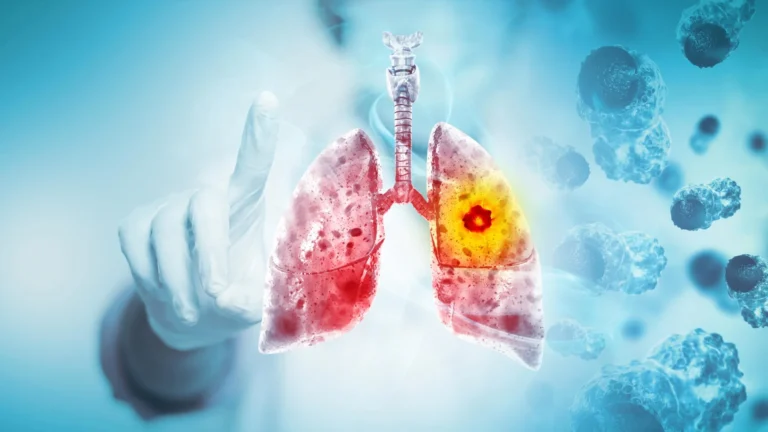
Recent investigations led by Dr. Niels Kokot, an otolaryngologist at the USC Caruso Department of Otolaryngology—Head and Neck Surgery, have begun to bridge this gap. His team’s research has identified a troubling correlation: individuals who consume high quantities of marijuana appear to face a significantly elevated risk of both small cell and non-small cell lung cancer.
Furthermore, the data extends beyond the lungs. Dr. Kokot and his colleagues reported that daily marijuana users are 3.5 to 5 times more likely to develop head and neck cancers than those who abstain. These malignancies encompass the mouth, pharynx, larynx, oropharynx—including the tongue, tonsils, and the back wall of the throat—as well as the nearby salivary glands.
Chronology of Clinical Concern
The trajectory of this research mirrors the early days of tobacco studies. For years, cannabis was viewed primarily through the lens of acute intoxication and cognitive impairment. It is only within the last two decades, as consumption patterns have intensified, that the oncological risks have moved to the forefront of clinical research.
- Early 2000s: Initial studies focused on acute respiratory issues, such as bronchitis and chronic cough, in habitual smokers.
- 2010s: As vaping technology gained traction, clinical focus shifted toward "popcorn lung" and severe inflammatory lung diseases, though a link to cancer remained speculative due to the lack of long-term data.
- 2020 to Present: Recent studies have utilized larger data sets to isolate heavy marijuana use as a specific variable, leading to the current findings regarding lung, head, and neck cancers.
Researchers are now looking toward the future, attempting to determine if heavy use is linked to systemic cancers, including bladder and various gastrointestinal malignancies. Dr. Brooks Udelsman, a thoracic surgeon at Keck Medicine of USC, notes that while the prevalence of bladder cancer is well-established in tobacco smokers, the same relationship for cannabis remains a primary subject of current inquiry.
The Dose-Response Relationship: Defining "Too Much"
One of the most pressing questions for clinicians and patients alike is the threshold of harm. Does occasional, recreational use carry the same risk as daily, high-frequency consumption?
According to Dr. Udelsman, the scientific community currently lacks a precise "dose-response" curve. "What we don’t know right now is the dose relationship," says Dr. Udelsman. "If someone smokes marijuana once a week, once a month, or a few times a year, do they still have that same risk? My suspicion is that there is probably minimal risk. All we know right now is that people who smoke a lot of marijuana—to the point that they develop a dependency on it or require hospital care or evaluation for it—do appear to have a higher cancer risk."
This distinction is crucial. For the occasional user, the body’s inflammatory response may be transient, allowing for rapid repair. However, for those who use cannabis multiple times a day, the cumulative effect of constant, low-grade inflammation may be the catalyst for cellular mutation and, ultimately, malignancy.
Biological Mechanisms: Why Does Marijuana Smoke Cause Cancer?
To understand why marijuana might be carcinogenic, one must look at the mechanics of inhalation. When any organic matter is burned, it produces a complex mixture of combustion byproducts.
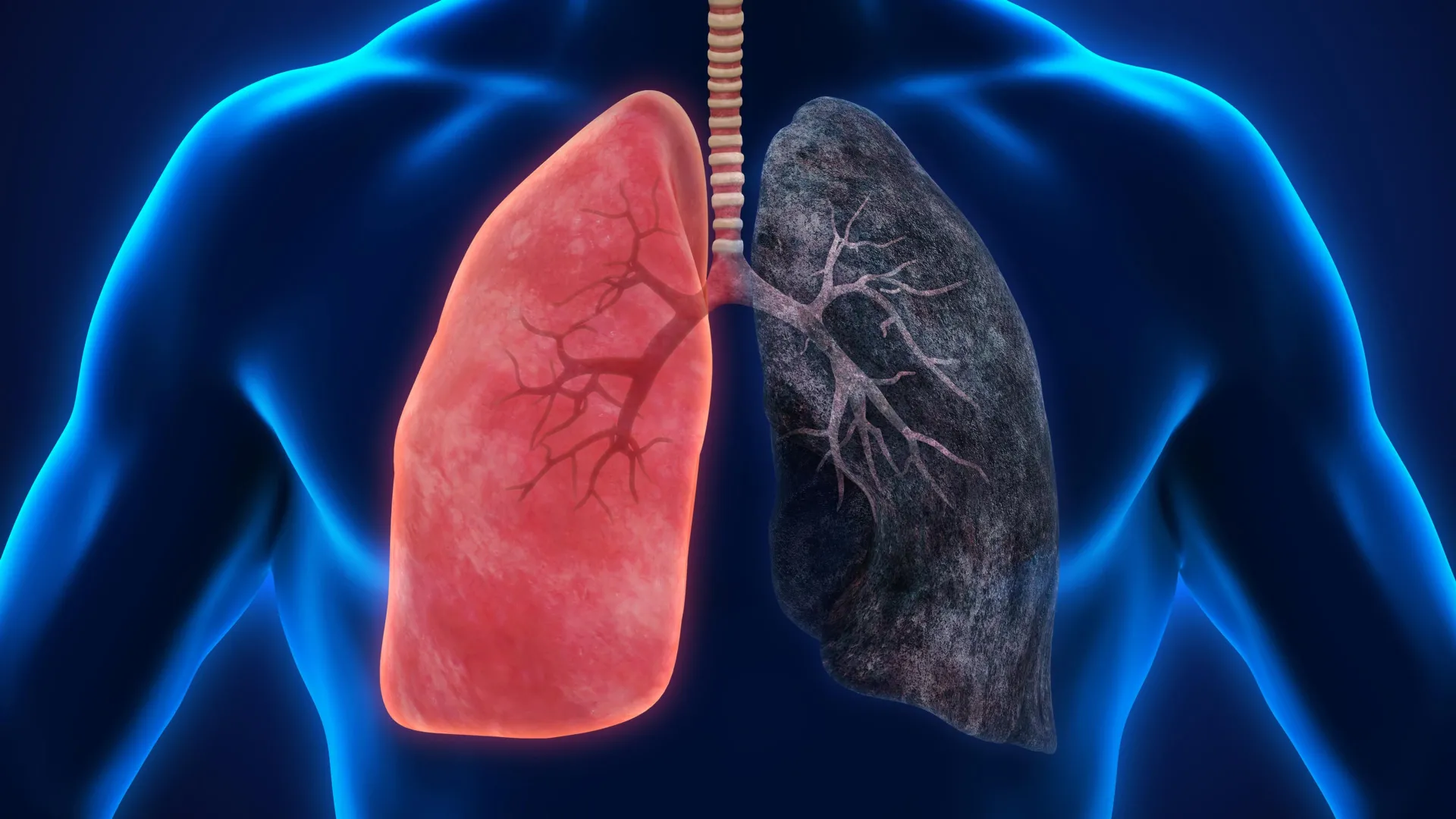
Dr. Udelsman highlights that marijuana smoke shares many of the same toxic compounds found in tobacco smoke. Tobacco contains over 7,000 chemicals, with approximately 70 confirmed as carcinogens. Marijuana smoke, while chemically distinct in its cannabinoid profile, often contains these same hazardous combustion products.
The mechanism is twofold:
- Chronic Inflammation: Any agent that causes long-lasting inflammation in the respiratory tract or the upper aerodigestive tract increases the likelihood of cellular damage over time.
- Chemical Interaction: THC, the primary psychoactive compound in cannabis, is associated with the conversion of polycyclic aromatic hydrocarbons (PAHs). These compounds, when introduced to the body via smoke, have the capacity to trigger inflammation and directly damage DNA.
"Anytime inflammation and changes to DNA occur, you’re at risk for developing cancer," Dr. Udelsman explains.
Non-Smoking Alternatives: Are Edibles Safer?
As the public grows more health-conscious, many are moving away from combustion in favor of edibles. Current medical evidence offers a glimmer of optimism for these users.
"Probably not," Dr. Udelsman says when asked if edibles are linked to lung cancer. Because the lung is not exposed to the combustion byproducts of the plant, the primary mechanism of lung cancer—inhalational injury—is removed. However, he cautions that the science is still in its infancy. While edibles may mitigate lung-specific risks, their relationship to other internal cancers remains an open, unstudied question.
The Vaping Conundrum
Vaping is often marketed as a "cleaner" alternative to smoking, yet the clinical reality is becoming increasingly complex. While vaping was once heralded as a harm-reduction strategy for tobacco, surgeons are now observing severe, benign inflammatory lung diseases in patients who vape.
Because vaping has only been mainstream for about 15 years, there is no longitudinal data to definitively rule out cancer risks. "The data on vaping is very new, so we don’t know yet," says Dr. Udelsman. "But I’d worry about anything you’re breathing into your lungs because it infiltrates the cells and air sacs… which can cause damage and put you at a higher risk for cancer."
Implications for Public Health
The evidence suggests that we are not currently facing a widespread "marijuana lung cancer epidemic," largely because the intensity of usage for the average person does not match the decades-long, pack-a-day habits associated with historic tobacco usage. However, the trend toward higher-potency products and more frequent daily use is a cause for concern.
Recommendations for Users
- Consultation: If you are a heavy, daily user of marijuana, it is imperative to discuss this with a healthcare provider. They can assess your specific risk profile.
- Symptom Awareness: Be vigilant regarding persistent coughs, hoarseness, or difficulty swallowing, especially if you have a history of chronic inhalation.
- Risk Reduction: If the goal is to minimize risk, transitioning away from combustion (smoking) is the most effective evidence-based step an individual can take.
- Secondhand Exposure: While the data is currently inconclusive, Dr. Udelsman notes that secondhand marijuana smoke should be treated with the same caution as tobacco, as the inhalation of particulate matter remains an inherent health risk.
As legalization continues to expand, the goal of the medical community is not to fear-monger, but to empower the public with the data necessary to make informed decisions. The message is clear: marijuana is not a "risk-free" substance, and as usage patterns intensify, the necessity for robust, long-term clinical research has never been more urgent.