









In the realm of bioarchaeology, few debates have been as persistent or as contentious as the origins of syphilis. For generations, researchers have relied on a specific diagnostic crutch: if skeletal remains—particularly those of children—showed signs of congenital infection, the conclusion was often swift and definitive: venereal syphilis.
A groundbreaking new study led by Charles Sturt University, however, has effectively dismantled this long-accepted scientific axiom. By analyzing the skeletal remains of children in prehistoric Vietnam, an international team of researchers has provided compelling evidence that congenital transmission—the passage of a disease from mother to fetus—is not exclusive to venereal syphilis. This discovery forces a major reappraisal of how we interpret the history of infectious disease and suggests that non-venereal treponemal diseases, such as yaws, may have been capable of the same biological feat thousands of years ago.
The Chronology of a Medical Mystery
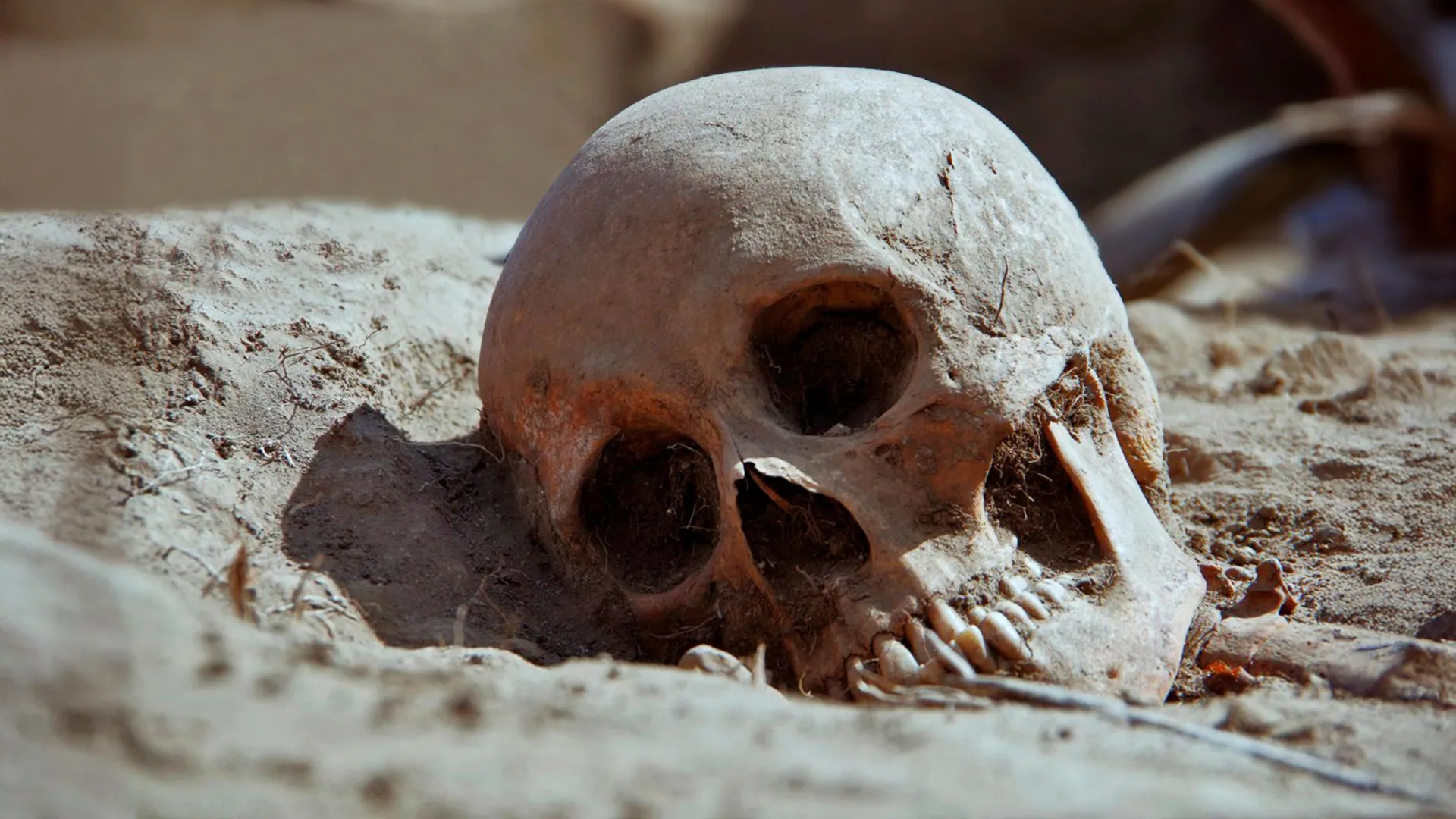
The roots of this investigation lie in the Man Bac archaeological site in northern Vietnam, a location that has long intrigued researchers due to its unusually high concentration of treponemal disease markers. The international team, led by Dr. Melandri Vlok, a Lecturer in Anatomy and Physiology at the Charles Sturt School of Dentistry and Medical Science, conducted an exhaustive analysis of 309 individuals excavated from 16 different sites across Vietnam.
The remains date back between 4,000 and 1,000 years, providing a wide chronological window into the health of prehistoric Southeast Asian populations. As the team examined the dental and skeletal morphology of the cohort, they identified three specific cases of children who exhibited the hallmark signs of congenital treponematosis: distinctive dental enamel hypoplasia and specific skeletal lesions.
These findings, recently published in the International Journal of Osteoarchaeology, represent a pivotal moment in paleopathology. While previous studies at Man Bac had already identified high rates of treponemal infection in the broader population, the identification of congenital transmission in these children offers a new layer of complexity to the region’s epidemiological history.
Supporting Data: Dissecting the Infection Patterns
The diagnostic process for ancient diseases is notoriously difficult, as pathogens rarely leave direct evidence. Instead, scientists rely on "proxy" indicators—the way a disease reshapes bone or affects the development of teeth.
The research team noted a striking discrepancy between the patterns of infection found at these Vietnamese sites and the expected epidemiological profile of syphilis. In modern clinical settings, venereal syphilis follows a specific social and demographic transmission pattern. However, the age distribution at Man Bac skewed heavily toward children and adolescents, suggesting a high rate of non-venereal spread.
"The epidemiology of the site strongly points toward a non-venereal form of treponemal disease," Dr. Vlok noted. "Yet we still see evidence of congenital transmission. That’s the surprising part."
Treponematosis is a family of related bacterial infections caused by Treponema pallidum. While the venereal form (syphilis) is famous for its historical impact, the family also includes yaws, endemic syphilis (bejel), and pinta—diseases typically transmitted through skin-to-skin contact in non-sexual settings. The fact that the prehistoric Vietnamese population displayed classic symptoms of congenital transmission while living in a demographic environment that favored non-venereal transmission suggests that the bacteria causing yaws or similar diseases were far more adaptable than previously credited.
Official Perspectives and Expert Insight
The lead authors of the study emphasize that this is not merely a correction of the historical record, but a call for a more nuanced methodology in future archaeological research.
"For decades, congenital infection in archaeological remains has often been taken as strong evidence of venereal syphilis," Dr. Vlok explained. "Our research shows that this assumption may not always hold true. Other treponemal diseases may also have been transmitted from mother to child. If congenital transmission can occur in non-venereal treponematoses, then we need to rethink how we interpret skeletal evidence in the past. Some cases previously labeled as congenital syphilis may represent entirely different diseases."
The challenges of the research extend beyond biological interpretation. Working in tropical environments like Vietnam presents significant hurdles for molecular analysis. Co-lead author Ms. Minh Tran, a PhD student from the University of the Philippines, Diliman, highlighted the logistical and ethical tightrope researchers must walk.
"In tropical environments, recovering ancient DNA is incredibly difficult, and destructive sampling raises important ethical questions," Tran said. "Future research must move in new directions working in genuine partnership with communities connected to these remains, considering preservation before any biomolecular work begins."
The Global Implications: Re-evaluating the "Columbian Theory"
The implications of this study ripple far beyond the borders of Vietnam. For centuries, one of the most heated debates in medical history has been the "Columbian Theory"—the hypothesis that Christopher Columbus and his crew brought syphilis back to Europe from the Americas in the late 15th century.
Proponents of this theory have frequently cited skeletal evidence of congenital syphilis in pre-Columbian European and Asian remains as proof that the disease was already established globally. However, this new research provides a "smoking gun" for the skeptics. If congenital infection can be caused by non-venereal treponemes, then the presence of skeletal lesions in ancient remains is no longer proof of the presence of venereal syphilis.
This discovery essentially weakens the evidentiary foundation upon which the existence of pre-Columbian syphilis was built. It suggests that the evolutionary history of the Treponema genus is far more complex than a simple "American origin vs. European origin" binary. Genetic studies have already begun to show a diverse array of treponemal pathogens existing simultaneously in ancient populations, and this study adds a functional layer to that genetic complexity.
The Adaptability of Treponema pallidum
Perhaps the most profound takeaway from the study is the inherent adaptability of the Treponema bacterium. Rather than viewing these diseases as rigid, unchanging entities, the research team advocates for a framework that sees them as pathogens that evolve in lockstep with human culture, social structures, and environmental shifts.
As the climate crisis continues to reshape global habitats, the study serves as a poignant reminder that infectious diseases are not static. Yaws, a disease many thought was nearing global eradication, is currently re-emerging in tropical regions. By understanding how these pathogens navigated the social structures of the past, researchers hope to better predict their behavior in the future.
"Treponemal diseases have a far more complex history than we once thought," Dr. Vlok concluded. "Understanding that complexity is essential if we want to reconstruct how infectious diseases shaped human history. We are seeing a shift in how we approach the narrative of human health—moving away from identifying a single ‘villain’ disease and toward a deeper understanding of the ecological and social relationships that allowed these pathogens to persist across millennia."
Conclusion: A New Direction for Bioarchaeology
The study led by Charles Sturt University serves as a masterclass in the scientific method: it takes a foundational belief, tests it against rigorous data, and possesses the courage to suggest that the truth is significantly more complicated than previously thought.
By de-linking congenital transmission from the automatic diagnosis of venereal syphilis, Dr. Vlok and her colleagues have opened a new chapter in the study of ancient disease. Future research will undoubtedly require a more cautious, interdisciplinary approach—one that balances the necessity of destructive sampling for DNA analysis with the ethical imperatives of working with human remains, all while maintaining a healthy skepticism of historical diagnostic "rules."
As we look back at the prehistoric populations of Vietnam, we are no longer just looking at a series of infections; we are looking at a complex, evolving relationship between human society and one of history’s most persistent microbial companions. This research underscores that in the story of human health, the most important lessons are often found not in what we think we know, but in our willingness to challenge what we have long taken for granted.