Living with Ehlers-Danlos Syndrome (EDS) is rarely a linear experience. It is a complex, often grueling cycle characterized by unpredictable symptom flares, chronic pain, physical instability, and the exhausting bureaucratic burden of navigating a medical system that frequently fails to provide answers. For many patients, these stressors are not merely additive—they are transformative, altering the way the brain processes reality.
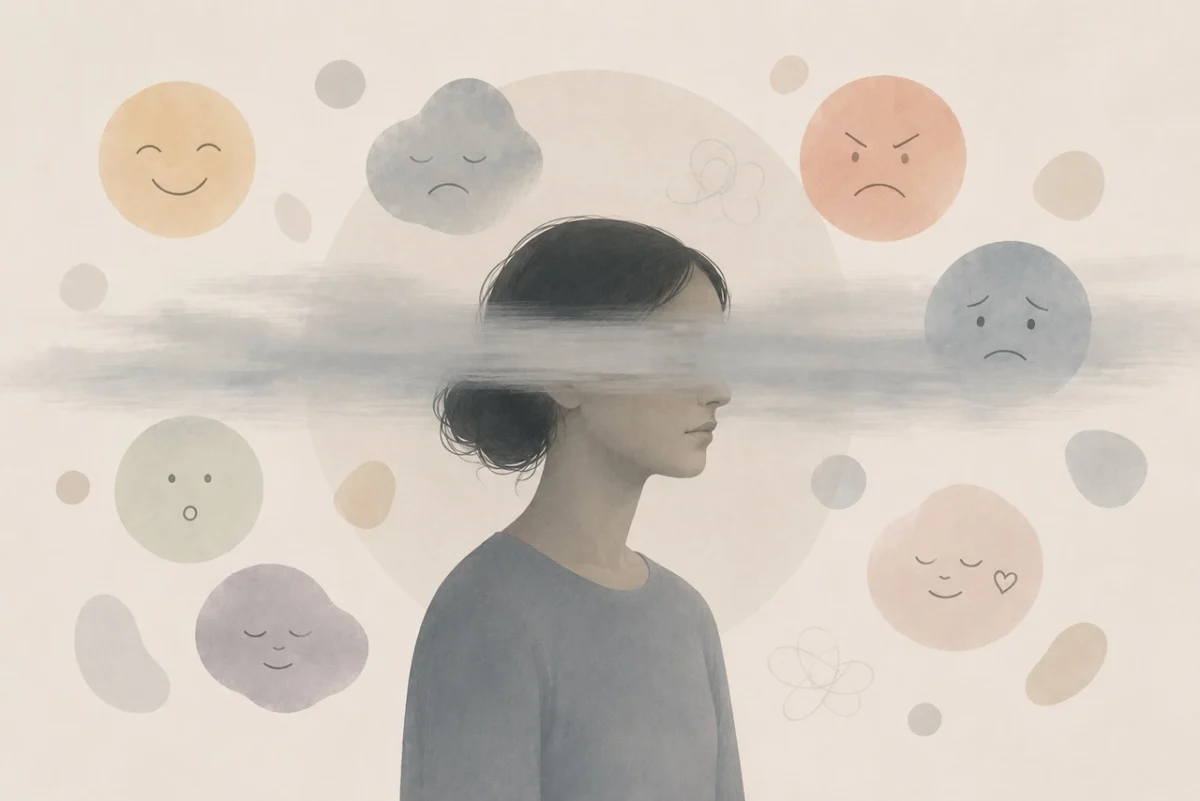
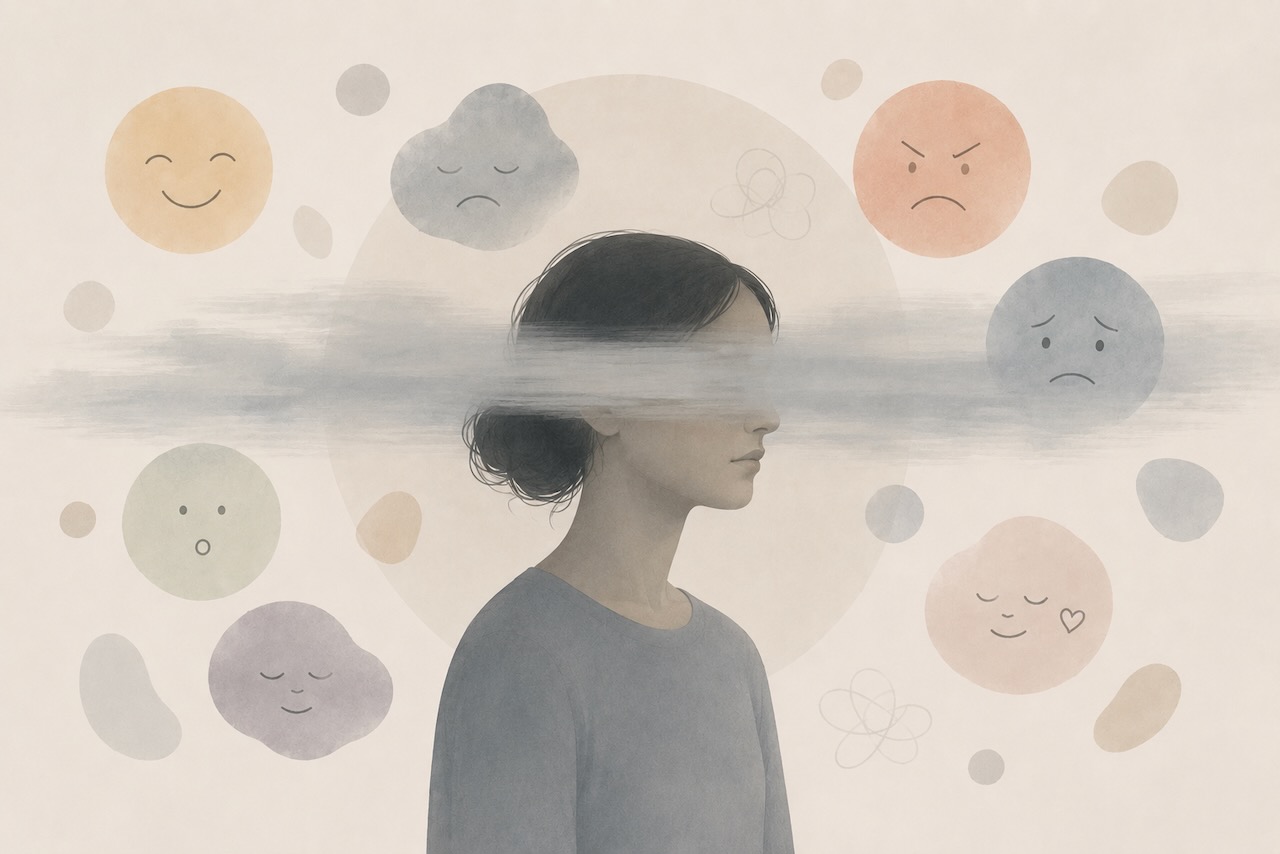
As the physical toll of EDS accumulates, a silent, often misunderstood phenomenon frequently emerges: emotional numbness. While much of the dialogue surrounding chronic illness focuses on physical pain or the presence of anxiety and depression, emotional numbness represents a distinct, physiological response to the persistent, high-stakes trauma of living in a body that feels like it is under constant threat.
The Cumulative Weight of Chronic Illness
For individuals with EDS, the "threat" is rarely external in the traditional sense. Instead, it is an enduring somatic threat—the internal, physiological reality that one’s body is prone to dislocation, subluxation, autonomic dysfunction, and systemic inflammation.
When the nervous system remains in a state of high alert for years, it eventually reaches a point of exhaustion. This state, often referred to as "chronic illness burnout," is more than just feeling "tired of being sick." It is a fundamental depletion of emotional and mental reserves. When the mind can no longer sustain the intensity of constant pain and the fear of the next medical crisis, it may initiate a protective shutdown. This manifests as emotional numbness: a reduction in the ability to experience the full spectrum of emotions, both positive and negative.
Chronology of a Nervous System Overload
To understand why this happens, it is helpful to look at how a patient’s relationship with their own body evolves over time:
- The Phase of Acute Uncertainty: The journey often begins with a period of intense diagnostic searching. Patients may face years of medical gaslighting, where symptoms are dismissed or misattributed to psychological causes. This fosters a sense of invalidation and profound isolation.
- The Phase of Hyperarousal: As the diagnosis is reached or symptoms worsen, the nervous system enters a state of "fight or flight." Patients often experience heightened anxiety, hyper-vigilance regarding bodily sensations, and a constant search for medical solutions.
- The Phase of Chronic Overwhelm: Persistent pain and the lack of a "cure" lead to the realization that the danger is not going away. This is where the nervous system, unable to sustain the "fight" response, begins to shift toward "hypoarousal."
- The Shutdown (Emotional Numbness): To protect the individual from the sheer weight of pain and trauma, the nervous system essentially "dims the lights." The patient may find themselves unable to feel joy during meaningful moments or unable to grieve during losses. This is an adaptive mechanism, not a personality flaw.
The Science of the "Window of Tolerance"
The concept of the Window of Tolerance, popularized in trauma psychology, provides the most robust framework for understanding this experience. In a healthy state, an individual operates within a window where they can process stressors, experience emotions, and regulate their nervous system.
For those with EDS, the repeated stressors—pain, appointments, medical procedures, and physical limitations—constantly push the nervous system out of this window.
- Hyperarousal: The nervous system is flooded with adrenaline and cortisol.
- Hypoarousal: The system collapses into a "freeze" state.
Emotional numbness occurs during hypoarousal. It is not apathy—which is a lack of desire—but rather a biological disconnect. It is the body’s way of saying, "I cannot process any more information right now."
Medical Trauma: A Silent Epidemic
Medical trauma is defined as a psychological and physiological response to frightening or distressing medical experiences. While often associated with single, acute events (like a traumatic surgery), for the EDS community, it is often cumulative.
Research suggests that medically induced Post-Traumatic Stress Disorder (mPTSD) is disproportionately represented among hypermobile EDS (hEDS) patients. Unlike typical PTSD, where the source of trauma (such as a war zone or an accident) is in the past, the trauma of EDS is "living" in the body. Every pain flare, every physical therapy session, and every encounter with a dismissive specialist acts as a "cue," reminding the brain that the body is unsafe. This makes the standard recovery model for PTSD, which focuses on moving away from the trauma, uniquely challenging for those whose trauma is internal.
Supporting Data and Research
Recent studies have highlighted the profound intersection of chronic pain and mental health. The link between EDS and dysautonomia (such as POTS) further complicates the issue; when the autonomic nervous system is already struggling to regulate heart rate and blood pressure, the added burden of trauma can cause the system to "short-circuit" more easily.
Clinical data suggests that:
- Anhedonia (the loss of pleasure) is a common, though often distinct, symptom of depression that frequently overlaps with, but is not synonymous with, emotional numbness.
- Medical Gaslighting is a major predictor of secondary psychological trauma. When a patient is told their pain is "all in their head," they are forced to disconnect from their own bodily experiences to survive the interaction, fueling the cycle of numbness.
- Physiological markers of trauma—such as elevated baseline heart rates or difficulty with emotional regulation—are common in chronic pain populations, suggesting that the "numbness" is a measurable biological strategy.
Implications for Patients and Providers
The implications of this phenomenon are significant. If a patient is suffering from emotional numbness, they may appear "fine" to their doctors. They may not complain of distress, which can lead to a dangerous cycle where medical needs are ignored because the patient has become detached from their own physical cues.
For the patient, it is essential to recognize that this is not a personal failure. It is a physiological adaptation. Recognizing the state of numbness is the first step toward reclaiming emotional capacity.
For the medical community, the shift in focus must move from treating the patient as a collection of tissues and joints to treating them as a whole person with a nervous system that has been pushed to its limit. Validation, clear communication, and the acknowledgment of medical trauma are essential components of care.
Path to Recovery and Regulation
While the path back to full emotional engagement can be slow, it is not impossible. Recovery involves "widening" the window of tolerance through intentional, gentle practices.
- Somatic Therapies: Approaches like Sensorimotor Psychotherapy or Somatic Experiencing work to reconnect the mind and body in a safe, controlled way.
- Trauma-Informed Care: Working with therapists who understand that medical trauma is ongoing is crucial.
- Nervous System Regulation: Techniques such as vagus nerve stimulation (e.g., specific breathing exercises), mindfulness, and gentle, adaptive physical activity can help signal to the body that it is safe.
- Holistic Management: Addressing physical symptoms—sleep hygiene, pain management, and nutritional support—is not just about the body; it is about providing the nervous system with the stability it needs to start "waking up."
Conclusion: Acknowledging the Invisible
Emotional numbness is a legitimate, albeit hidden, component of the EDS experience. It is a sign that the body has been working overtime to survive. By naming it, understanding its origins in the nervous system, and acknowledging it as a product of cumulative medical trauma, patients can begin to move from a state of "survival" to a state of healing.
Living with EDS is undeniably hard. But by recognizing that the numbness is a protective shield that can eventually be lowered, patients can move toward a more integrated, connected, and emotionally accessible life. If you find yourself feeling detached, remember: you are not "broken." You are a person who has endured a great deal, and your nervous system is simply responding to that reality. Seeking support—whether through therapy, peer groups, or specialized medical care—is not a sign of weakness, but a vital step in the process of reclaiming your whole self.