









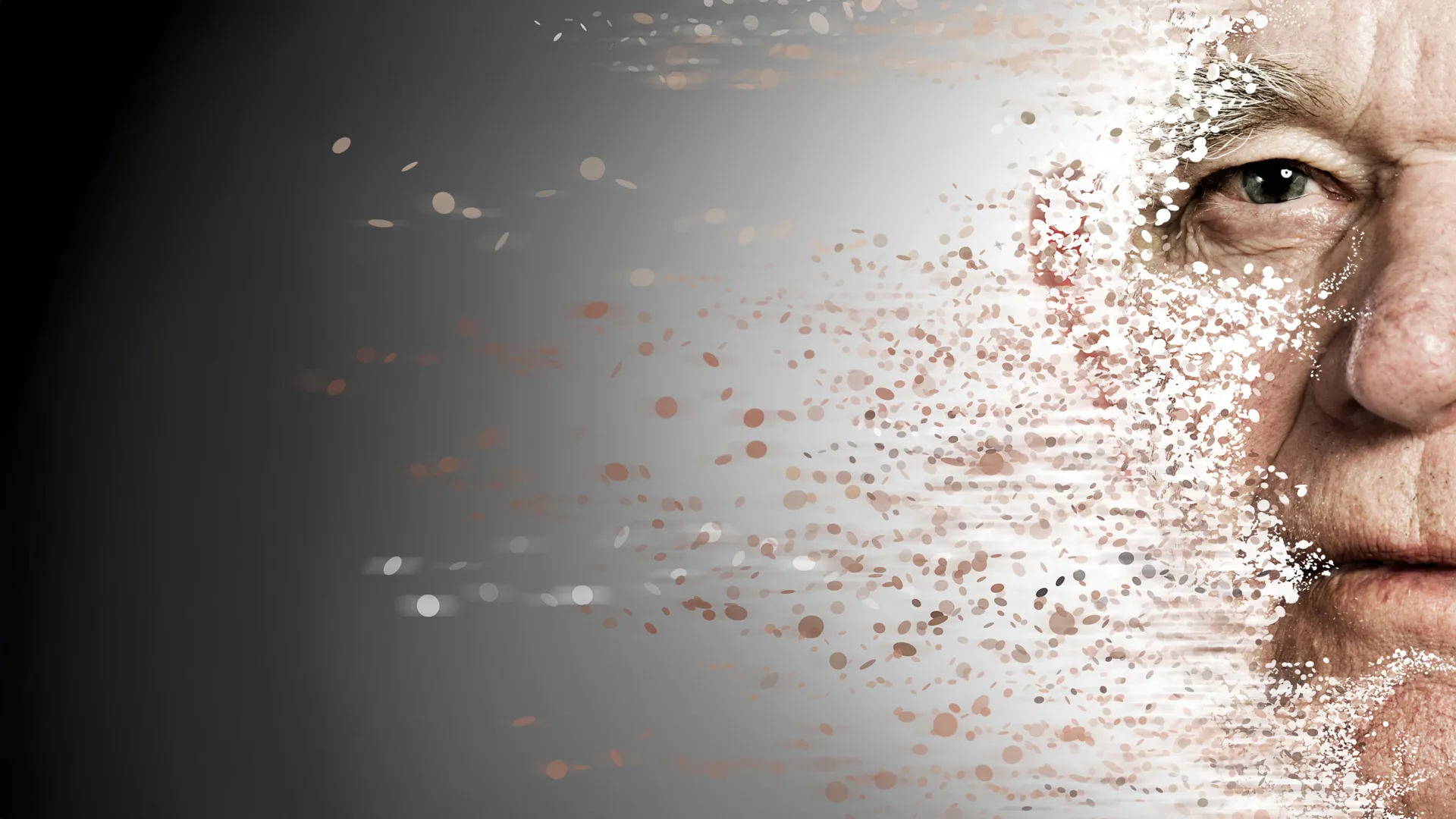
Aging is the ultimate biological enigma—a relentless, universal progression that manifests differently in every individual. While the external signs of aging, such as graying hair or thinning skin, are easily observable, the internal molecular machinery driving this decline has remained shrouded in complexity. Now, a groundbreaking study from Stanford Medicine has illuminated a critical culprit in this process: a systemic failure in the immune system’s ability to "take out the trash."
In research published in the journal Science, investigators have identified that tissue-resident macrophages—specialized immune cells that act as the body’s permanent internal custodians—suffer a functional decline that accelerates aging across virtually every major organ system. By identifying a specific receptor responsible for this decline, scientists have not only mapped a core mechanism of systemic deterioration but have also unlocked a potential therapeutic pathway that could, in theory, extend the duration of human health.
The Body’s Cellular Waste Management
To understand the significance of this discovery, one must first understand the life cycle of the neutrophil. Neutrophils are the body’s most abundant white blood cells, serving as the frontline "first responders" produced in the bone marrow. Tasked with patrolling the bloodstream for pathogens, these cells are essential for acute immune defense. However, they are short-lived, typically surviving for only 12 to 24 hours.
Under normal conditions, roughly 90% of these cells are cleared by macrophages in the liver, spleen, and bone marrow once their lifecycle ends. However, as the body ages, a troubling phenomenon occurs: a significant percentage of these neutrophils enter a state of "senescence" before they are cleared. These senescent neutrophils become dysfunctional, leaking toxic chemicals into the surrounding tissue and inciting chronic inflammation.
"Senescent neutrophils are killing our tissues," explains Dr. Katrin Andreasson, the senior author of the study and the Edward F. and Irene Thiel Pimley Professor in Neurology and Neurological Sciences at Stanford. "Clearance of these cells is essential for preventing chronic inflammation."
The burden is immense. With approximately 100 billion neutrophils produced and disposed of daily, even a minor disruption in the clearance process creates a catastrophic buildup of cellular debris, fueling the chronic, low-grade inflammation that characterizes the aging process.
Chronology of Discovery: From Macrophage Decay to Systemic Decline
The research team, led by lead author and neurology instructor Dr. Jessy Tan, began by investigating the "garbage collection" crew: the tissue-resident macrophages. These cells are unique; they settle into specific organs during fetal development and remain there for the entirety of an organism’s life, adapting to the unique metabolic demands of their host organ.
The team’s investigation followed a distinct chronological path of inquiry:
- The 2021 Baseline: The research builds upon a 2021 study published in Nature, in which the team first observed that as animals age, tissue-resident macrophages become increasingly vulnerable to inflammation, eventually becoming drivers of the very inflammatory states they are meant to regulate.
- The PGE2 Feedback Loop: The researchers identified a critical hormone, PGE2 (prostaglandin E2), which is produced by immune cells in response to injury or stress. While PGE2 has a role in managing acute pain and inflammation, its levels rise steadily with age.
- The Receptor Vulnerability: The team discovered that macrophages possess a specific receptor known as EP2. In older organisms, the persistent stimulation of the EP2 receptor by rising levels of PGE2 creates a harmful feedback loop. This signaling effectively "blinds" the macrophages, degrading their ability to identify and engulf senescent neutrophils.
- Experimental Intervention: Using a mouse model, the researchers genetically engineered the subjects to allow for the targeted deletion of the EP2 gene within tissue-resident macrophages. This allowed the team to observe what happens when the "emergency brake" on these macrophages is removed.
Supporting Data: Reversing the Clock
The evidence produced by the study is striking. When the team compared normal older mice (aged 23 to 25 months) to mice whose EP2 receptors had been disabled, the physiological differences were profound.
In standard aged mice, the researchers identified 71 blood proteins that shifted significantly as the animals aged. Remarkably, in the mice with the EP2-deficient macrophages, 59 of those 71 proteins remained at levels consistent with youthful animals. The preservation was most evident in the liver—the body’s central metabolic hub—suggesting that the liver’s inability to clear senescent neutrophils is a primary driver of the systemic metabolic decline associated with aging.
The phenotypic differences were equally compelling:
- Physical Composition: Mice lacking the EP2 receptor were leaner, possessed higher muscle mass, and showed significantly less visceral fat accumulation than their chronological peers.
- Cognitive Preservation: Tests measuring hippocampal function—the region of the brain responsible for memory and spatial navigation—showed that the EP2-deficient mice performed almost as well as younger counterparts.
- Systemic Fitness: In tests of speed, balance, and grip strength, the treated older mice consistently outperformed their untreated counterparts, matching the performance profiles of mice in their "teenage" years.
Official Responses and Clinical Implications
The findings have sent a ripple through the gerontology and immunology communities. Dr. Andreasson, reflecting on the magnitude of the discovery, noted, "We’ve been trying to figure out why we age. Now we know at least one big reason for it."
The team’s work has extended beyond mouse models into human biology. By analyzing databases of human liver cells, the researchers identified the same patterns of neutrophil accumulation and elevated EP2 activity in older and diseased human livers. This suggests that the mechanism is not merely a quirk of murine biology but a fundamental aspect of human senescence.
However, the path to a pharmaceutical application is complex. While anti-inflammatory drugs like aspirin already target prostaglandins, they are non-specific; they inhibit the entire PGE2 pathway, which includes beneficial functions that the body requires. The goal for future drug development is the creation of a selective EP2 antagonist—a "precision strike" drug that would block only the harmful receptor on macrophages while leaving the rest of the immune system’s signaling intact.
The Future of "Healthspan"
The implications of this research extend far beyond the treatment of a single condition. By preventing the accumulation of senescent cells, scientists believe they can address the "four horsemen" of aging—inflammation, frailty, metabolic dysfunction, and cognitive decline—at their source.
If a drug capable of selectively inhibiting the EP2 receptor can be safely brought to clinical trials, it could represent a new frontier in medicine: the transition from treating age-related diseases in isolation to treating the underlying process of aging itself.
The study, which received support from the National Institutes of Health, the American Heart Association, the Phil and Penny Knight Initiative for Brain Resilience, and the Chan-Zuckerberg Biohub, underscores the importance of interdisciplinary research in unlocking the mysteries of human longevity. As Dr. Andreasson and her team continue their work, the dream of extending not just the human lifespan, but the human healthspan—the number of years lived in a state of optimal physical and cognitive function—appears more tangible than ever.
While no such drug exists today, the roadmap provided by this study offers a clear target. For now, the "garbage collectors" of our bodies remain the focus of one of the most promising avenues of research in modern medicine, proving that sometimes, the secret to staying young lies in how well our bodies clean up the past.