









By Tyler Decker
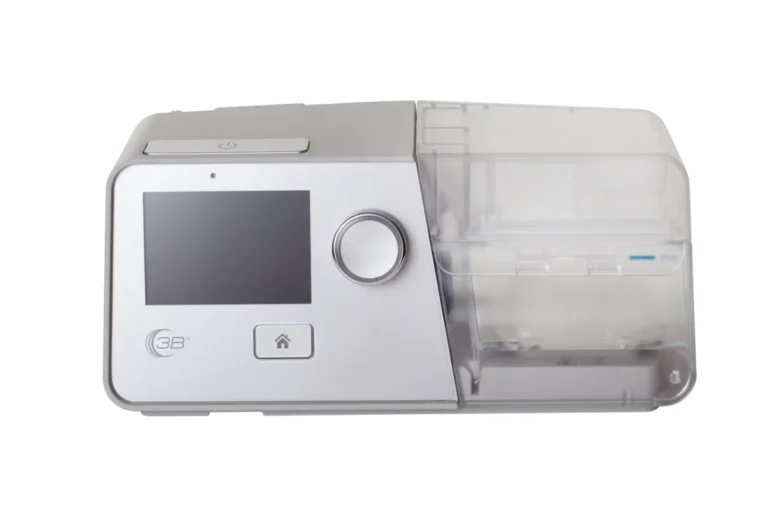
The clinical setup of a Continuous Positive Airway Pressure (CPAP) device is often treated as a hurdle to be cleared—a thirty-minute appointment where the primary goal is to ensure the patient can assemble the equipment and achieve a temporary, airtight seal. The patient demonstrates they know how to fill the humidifier, connect the tubing, and secure the straps. They leave the office with a functioning kit, a manual, and the best of intentions.
However, clinical experience across thousands of patient interactions suggests that this "perfect" demonstration creates a dangerous illusion. When a patient goes home, the sterile, controlled environment of the clinic is replaced by the unpredictable reality of sleep. Pillows shift, blankets snag on tubing, and the subtle movements of REM sleep can turn a perfect seal into a persistent, whistling leak.
The traditional approach to CPAP setup is failing because it prioritizes immediate compliance over long-term competence. To improve adherence, the industry must pivot from teaching patients how to use a machine to teaching them how to troubleshoot their therapy in the dark of night.
The Core Disconnect: Knowing "What" vs. Knowing "Why"
The primary weakness in current CPAP education is the reliance on rote instruction. Fitters are trained to fix problems instantly—tightening a strap here, adjusting a cushion there. While this provides immediate gratification, it inadvertently denies the patient the chance to learn the mechanics of their therapy.
Consider a common scenario: A patient reports a "leak." The fitter inspects the mask and realizes the air is actually escaping through the intentional exhaust vent—a feature designed to flush carbon dioxide. If the fitter simply says, "That’s normal," the patient feels dismissed and remains ignorant of how their equipment functions. If, conversely, the fitter explains the purpose of the vent and allows the patient to feel the airflow, the patient gains a diagnostic tool. The next time they feel that breeze at 2:00 AM, they aren’t panicked; they are informed.
The Illusion of Perfection
CPAP therapy is inherently non-linear. A mask that works perfectly in a showroom while the patient is upright may fail within hours of lying on a pillow. By forcing a "perfect" setup in the clinic, we set an unrealistic expectation. When the inevitable shift occurs at home, the patient perceives it as a failure of the therapy or their own inability to comply, rather than a common, manageable mechanical nuisance.
Chronology of a Therapy Failure: Why 2:00 AM Matters
To understand why patients abandon CPAP, we must look at the "2:00 AM Problem."
- The Setup (Clinic): The patient is calm, alert, and supported by a professional. The focus is on assembly and initial comfort.
- The Honeymoon (Weeks 1–2): The patient experiences some success. They are motivated by the diagnosis of sleep apnea and the hope for better health.
- The First Variable (Week 3+): A minor, unpredictable change occurs—a slight head cold causing congestion, a change in humidity, or the purchase of a new, thicker pillow.
- The Crisis (Nighttime): The patient wakes up disoriented. The mask is shifting, there is a noise, or the air pressure feels overwhelming.
- The Default Response: Without a toolkit for deductive reasoning, the patient’s instinct is to remove the mask to regain immediate comfort.
- The Decline: Once the mask is removed, the barrier to putting it back on the next night increases. If this happens repeatedly, "non-compliance" begins.
A successful setup session should function as a simulation of these crises. Instead of striving for a perfect, static demonstration, fitters should intentionally introduce minor problems while the patient is still in the room.
Supporting Data: The Science of Self-Efficacy
Research underscores the vital link between a patient’s confidence in their own troubleshooting abilities and their long-term success. Studies consistently show that "self-efficacy"—the belief in one’s ability to succeed in specific situations—is a primary predictor of CPAP adherence.
According to research published in the Annals of the American Thoracic Society (2025), there is a direct correlation between self-efficacy and one-year adherence trajectories. Furthermore, a study in Behavioral Sleep Medicine (2020) highlighted that "planful problem-solving" is associated with greater early use of therapy.

When a patient is empowered to engage in deductive reasoning—asking, "Where is the air coming from?", "What changed since yesterday?", or "Does this happen only when I lie on my left side?"—they transform from a passive user into an active participant in their own health. This shift in mindset is not merely academic; it is the difference between a patient who gives up after three nights and one who adapts for three years.
Implications for Clinical Practice: A New Model of Education
If we accept that the current model of "perfect setup" is insufficient, we must implement structural changes in how patients are initiated into CPAP therapy.
The "Obstacle Course" Approach
Clinicians should stop aiming for a flawless thirty-minute session. Instead, they should:
- Encourage Controlled Failure: Allow the mask to leak intentionally during the fitting. Guide the patient through the process of reseating the cushion or adjusting the headgear rather than doing it for them.
- Practice Deductive Reasoning: Present the patient with hypothetical "2:00 AM scenarios." Ask them, "If you woke up with air in your eye, what is the first thing you would check?"
- Normalize the Anomalies: Explicitly explain that masks shift, cushions wear out, and bodies change. By treating these as "when" rather than "if," the clinician reduces the patient’s frustration when these events eventually occur.
The Role of Professional Support
It is equally vital to teach patients where their own troubleshooting ends and professional intervention begins. Part of building competence is knowing when to stop trying to fix a hardware issue and when to call the sleep center. A patient who knows their limits is far more likely to remain in the "system" than a patient who feels they are constantly struggling against an impenetrable, mysterious machine.
Official Perspectives and the Future of Adherence
Industry leaders are increasingly recognizing that the "invisible" work of CPAP therapy—the micro-adjustments a patient makes in the middle of the night—is the true engine of success. While data reports show us the results (hours of use, leak rates), they fail to capture the decisions that led to those results.
The goal of the clinician should not be to create a patient who never has a problem. The goal is to create a patient who realizes that an ordinary problem does not signify the end of their therapy.
We must move toward a model of "collaborative management." In this model, the clinical encounter serves as a sandbox for building cognitive and mechanical skills. If a patient leaves the clinic having successfully identified and resolved a leak, adjusted a strap for comfort, and understood the difference between a minor adjustment and a need for a new mask, they are equipped to handle the realities of long-term use.
Conclusion: Adapting to an Imperfect Life
CPAP therapy is an attempt to impose order on the chaotic, unpredictable nature of human sleep. To expect the equipment to function perfectly in perpetuity is a misunderstanding of both the technology and the human condition.
The ultimate metric of a successful setup is not the immediate cessation of a leak in the clinic, but the development of the patient’s resilience. By preparing patients for the inevitable frustrations of nighttime therapy, we transition them from being dependent on constant external support to becoming masters of their own care.
When we stop presenting CPAP as a binary—either it works perfectly or it is broken—and start presenting it as a dynamic, evolving process, we pave the way for true, sustainable health outcomes. The objective is clear: prepare the patient for the problems, not because we expect them to fail, but because troubleshooting is the fundamental requirement for succeeding.
References
- Gentina T, Micoulaud-Franchi JA, Gentina E, et al. Association between self-efficacy and 1-year continuous positive airway pressure adherence trajectories: Insight from the SEMSAS study. Ann Am Thorac Soc. 2025 Dec;22(12):1942-50.
- Saconi B, Yang H, Watach AJ, Sawyer AM. Coping processes, self-efficacy, and CPAP use in adults with obstructive sleep apnea. Behav Sleep Med. 2020 Jan-Feb;18(1):68-80.
- Dickerson SS, Obeidat R, Dean G, et al. Development and usability testing of a self-management intervention to support individuals with obstructive sleep apnea in accommodating to CPAP treatment. Heart Lung. 2013 Sep-Oct;42(5):346-52.