










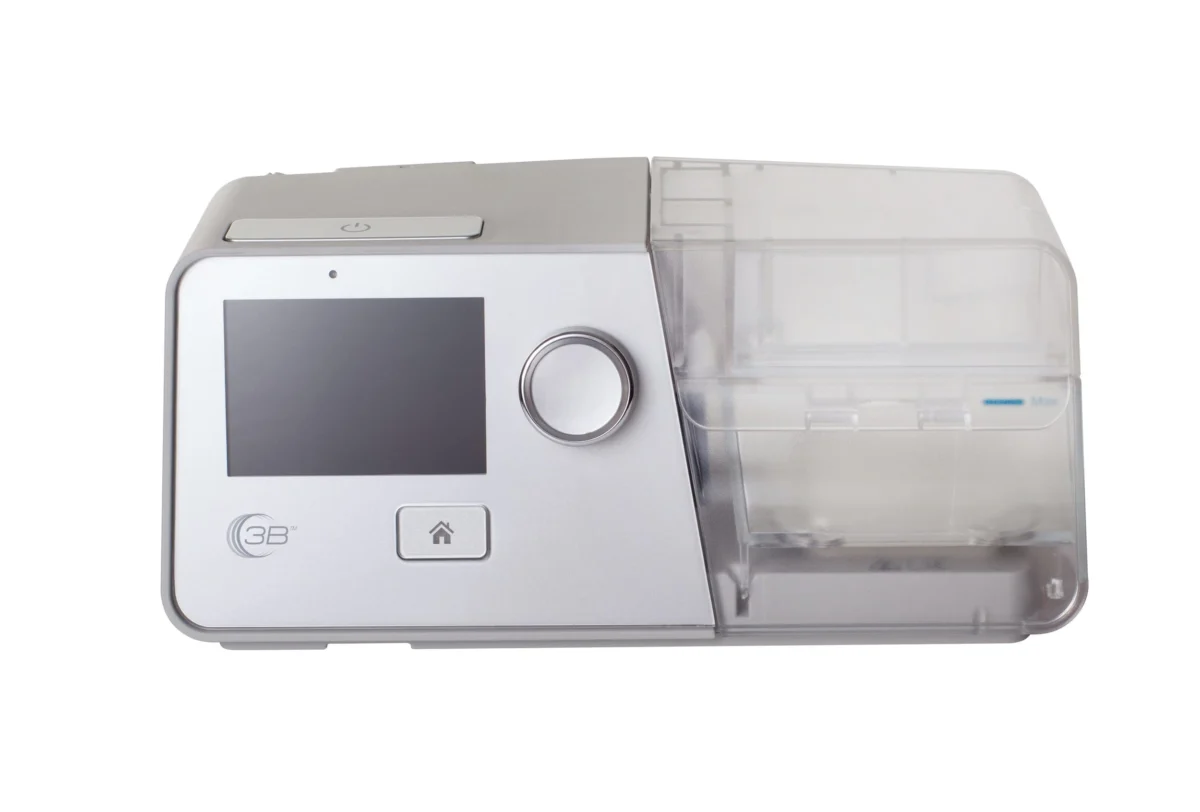
In a significant regulatory development, the United States Food and Drug Administration (FDA) has officially classified a recall of 20,160 Luna G3 APAP (Automatic Positive Airway Pressure) units as a Class I recall—the most serious classification issued by the agency. This classification signifies a situation in which there is a reasonable probability that the use of the device will cause serious adverse health consequences or death.
The recall centers on a specific firmware defect identified in the Luna G3 (Model LG3600) devices, which can cause the machines to suffer an unexpected, automatic shutdown during operation. While no injuries or deaths have been reported to date, the nature of the malfunction poses a direct threat to patients who rely on these machines to maintain consistent breathing during sleep.
Main Facts: Understanding the Nature of the Defect
The core of the issue lies within firmware version G3-2.00.76. According to the manufacturer, BMC Medical Co., Ltd., the device is susceptible to a technical failure when it is forced to operate under specific, high-intensity conditions.
When the machine is subjected to a simultaneous combination of high pressure, high respiratory rate, and high peak flow, the internal software triggers an error message on the user interface. Immediately following this notification, the device ceases therapy delivery entirely. For a patient suffering from obstructive sleep apnea (OSA), a sudden cessation of pressure therapy can lead to an interruption in breathing, hypoxemia (low blood oxygen levels), and potential cardiovascular stress.
"A Class I classification is the highest level of alert the FDA can issue," says medical device safety analyst Julian Thorne. "It is reserved for scenarios where the hardware or software failure could lead to life-threatening complications. In the context of respiratory therapy, where patients are often asleep and unable to react to a machine failure, the danger of an unexpected shutdown is critical."
Chronology of the Recall and Mitigation Efforts
The path to this recall began with the identification of the firmware glitch by BMC Medical. Between October and December 2024, the company initiated a proactive effort to upgrade the firmware of affected units residing in the warehouse of its U.S. importer, React Health. The goal was to update these units to version G3-2.00.77, which resolves the shutdown defect.
However, during a subsequent review of their distribution records, the company discovered a discrepancy. Despite the remediation efforts, it was determined that up to 196 units—which had already been distributed to the public—may have bypassed the upgrade process. These units remain in the field with the defective G3-2.00.76 firmware, posing an ongoing risk to users.
The timeline of the affected products is as follows:
- Manufacturing Window: September 11, 2024, to October 18, 2024.
- Distribution Period: October 29, 2024, to July 6, 2026.
- Regulatory Action: The FDA formalization of the recall followed the discovery that a subset of these 20,160 units remained uncorrected.
Supporting Data and Technical Context
The Luna G3 is a common tool for sleep medicine practitioners. These devices are designed to automatically adjust air pressure based on the patient’s breathing patterns throughout the night. By delivering pressurized air, the device keeps the airway open, preventing the collapse of tissues that causes apnea.
When a device fails, the "silent" nature of the hazard is particularly concerning. If a user is deep in REM sleep, they may not wake up when the machine stops blowing air. The primary risk factor here is the specific "perfect storm" of settings: high pressure, high respiratory rate, and high peak flow. These settings are typically reserved for patients with more severe cases of sleep-disordered breathing, meaning the individuals most at risk of the device failing are also those who require the most consistent therapy.
How to Identify and Verify Your Device
For patients using the Luna G3 (Model LG3600), the FDA and BMC Medical have provided a clear, four-step verification process to determine if their unit is subject to the recall:
- Locate the Serial Number: Check the label on the rear or bottom of the device to find the unique serial number (SN).
- Access the BMC Portal: Navigate to the official BMC Medical inquiry webpage at en.bmc-medical.com/rc-adh.html.
- Input Data: Enter the serial number into the designated "Serial Number (SN)" box located at the top of the site.
- Execute Query: Click the "Check My Device" button to display the firmware version currently installed.
If the query returns firmware version G3-2.00.76, the device is considered unsafe and must be discontinued immediately.
Official Responses and Remediation
BMC Medical and React Health have urged all potentially affected users to stop using their devices immediately if they are running the defective firmware. They have also emphasized the need to contact a primary physician or a durable medical equipment (DME) provider to discuss alternative therapy options until a replacement is provided.
"The safety of our patients is the paramount concern," a spokesperson for the distribution chain noted. "While we have not received reports of patient harm, we are working aggressively to locate and replace every one of the potentially defective units still in use. We are collaborating closely with the FDA to ensure that our notification process reaches all affected clinics and end-users."
For those requiring a replacement, React Health is managing the logistics for the U.S. market. Customers can reach out to them via email to initiate the replacement process for an uncorrected unit.
Broader Implications for Medical Device Safety
This incident highlights the growing complexity of medical devices in the era of digital health. As medical equipment becomes increasingly "smart," relying on sophisticated software and firmware updates, the risk of "software-defined" medical hazards grows.
Unlike mechanical failures that might show signs of wear and tear, software defects are often invisible until the moment they trigger a critical error. This incident serves as a reminder of the importance of rigorous software lifecycle management in the medical device industry. The FDA has been increasingly vocal about the necessity for manufacturers to adopt robust cybersecurity and firmware-integrity protocols, especially as remote updates and cloud-connected devices become the standard.
Furthermore, the "retrospective" nature of this recall—where the manufacturer attempted a fix before a recall was even declared—demonstrates the limitations of supply chain transparency. Even with good intentions and proactive warehouse upgrades, the difficulty of tracking thousands of units through the distribution chain creates a "last mile" problem where dangerous products can still slip through the cracks.
Recommendations for Patients and Providers
For patients, the recommendation is clear: do not wait for a formal letter or an email to check your device. If you are a user of a Luna G3, use the online tool immediately. Even if your device is functioning correctly, verifying the firmware version provides peace of mind and ensures you are not operating a device that could fail unexpectedly in the future.
For healthcare providers and sleep clinics, the implication is a need for increased vigilance. DME providers should review their patient lists against the affected serial numbers and proactively contact patients who may have received units during the high-risk window.
As the industry moves forward, this case will likely be cited as a case study in the necessity of better, faster, and more transparent recall communication channels. For now, the priority remains the safe and prompt replacement of the remaining defective units, ensuring that patients can return to a stable and effective sleep therapy routine without the fear of a mid-night mechanical failure.