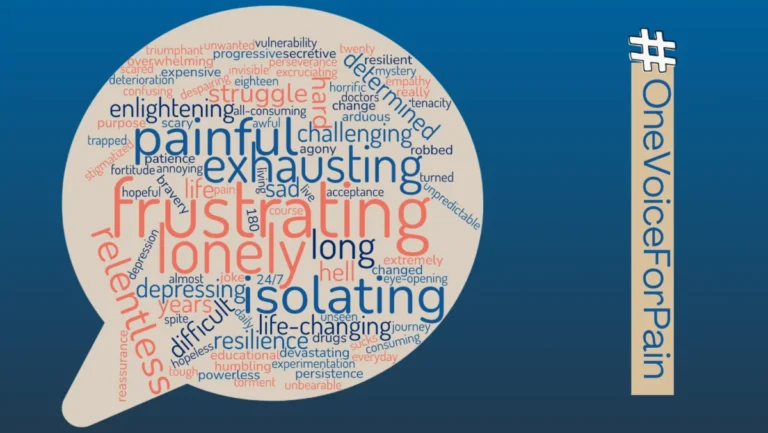












In a significant legislative maneuver that promises to reshape the landscape of American healthcare, a bipartisan coalition in Congress has introduced the Advancing Research for Chronic Pain Act (ARCPA). Formally designated as S.5041, the bill was introduced on July 21, marking a pivotal turning point for the estimated 60 million Americans who navigate the complexities of chronic pain every day.
By prioritizing the standardization of data and fostering a more cohesive research environment, the legislation seeks to bridge the chasm between the staggering prevalence of chronic pain and the current, often fragmented, medical understanding of the condition.
The Core Mandate: Understanding the Advancing Research for Chronic Pain Act
The ARCPA is designed to address a fundamental systemic failure: the lack of high-quality, standardized data regarding chronic pain. Despite its status as the leading cause of disability in the United States, chronic pain has historically lacked the centralized focus afforded to other major public health crises.
S.5041 aims to rectify this by directing federal agencies to establish rigorous protocols for data collection. By creating a unified framework for identifying patient demographics, treatment efficacy, and clinical outcomes, the bill will empower researchers to move beyond anecdotal evidence and toward data-driven breakthroughs. The primary objective is to illuminate the specific burden that pain creates for individuals, families, and the economy, ensuring that policy decisions are informed by empirical reality rather than administrative guesswork.
The Chronology: A Multi-Year Path to the Senate Floor
The introduction of ARCPA did not occur in a vacuum. It represents the culmination of years of persistent advocacy, strategic planning, and cross-sector collaboration between medical professionals, patient advocacy groups, and federal lawmakers.
- The Pre-Legislative Phase: For over a decade, the U.S. Pain Foundation and similar organizations have meticulously documented the "data gap" in pain management. Through grassroots efforts, they successfully lobbied for increased attention to the socioeconomic impacts of persistent pain.
- The Drafting Period: Throughout 2023 and early 2024, stakeholders worked closely with the offices of Senators Tim Kaine (D-VA), Kevin Cramer (R-ND), Andy Kim (D-NJ), and Steve Daines (R-MT) to refine the legislative language. The goal was to create a bill that was both scientifically robust and politically viable.
- July 21, 2024 – The Formal Introduction: ARCPA was officially introduced into the 119th Congress, signaling a rare moment of bipartisan consensus. The introduction was accompanied by a clear message: chronic pain is a national emergency that transcends party lines.
- Looking Forward: The bill is currently positioned for committee review. Its trajectory will likely involve hearings to further establish the necessity of the proposed data standards, followed by a potential markup session in the coming months.
The Staggering Burden: By the Numbers
To understand the necessity of ARCPA, one must first grasp the sheer scale of the chronic pain crisis in America. The statistics are not merely figures; they represent a profound loss of quality of life for millions.
The Scope of the Crisis
- 60 Million and Counting: More than 60 million adults in the United States currently live with chronic pain. This group accounts for a significant portion of primary care visits and specialty consultations.
- High-Impact Chronic Pain: Among those, over 21 million suffer from "high-impact" chronic pain. This classification refers to pain that frequently limits life or work activities, often resulting in prolonged disability and social isolation.
- The Economic Toll: The financial implications are staggering. Chronic pain is estimated to cost the U.S. economy approximately $635 billion annually. This sum encompasses direct healthcare expenditures, the loss of workforce productivity, and the strain on disability insurance programs.
Despite these numbers, the research landscape remains underfunded and poorly organized. Policymakers are frequently obstructed by a lack of updated, reliable data, which complicates the development of targeted, non-opioid therapeutic interventions.
Voices from the Hill: The Bipartisan Case for Change
The introduction of ARCPA has drawn widespread praise from both sides of the aisle, with each sponsor emphasizing a different aspect of the potential impact.
Senator Tim Kaine (D-VA)
Senator Kaine highlighted the human element of the legislation, stating, "Over 60 million Americans live with debilitating and often life-altering chronic pain conditions. We must provide researchers with the tools and resources they need to understand pain, enhance treatment, and improve the lives of all those struggling with chronic pain. I’m proud to introduce this bipartisan bill to help provide much-needed relief to every person living with these conditions."
Senator Kevin Cramer (R-ND)
Focusing on the necessity of innovation, Senator Cramer remarked, "Living with chronic pain shouldn’t mean living without hope. Too many Americans have spent years searching for answers and trying inadequate treatments because of an information gap specific to chronic pain conditions. By strengthening research, especially for non-opioid solutions, and making it easier to share what’s working, we can help doctors provide better care and give patients more effective treatment options."
Senator Andy Kim (D-NJ)
Senator Kim emphasized the tangible health outcomes the bill aims to produce: "Better research and data means better health outcomes for the millions of Americans with chronic pain. This bipartisan bill not only gives those suffering the recognition they’ve long gone without but takes concrete steps toward the relief they deserve."
Senator Steve Daines (R-MT)
Acknowledging the current scientific limitations, Senator Daines noted, "Although tens of millions of Americans live with chronic pain, it is a disease that we don’t fully understand. I’m proud to work with my Senate colleagues to provide the best data and tools for researching, treating, and providing relief for chronic pain so that those living with the disease can live better lives."
Implications: The Advocacy Perspective
For patient advocacy groups like the U.S. Pain Foundation, the introduction of ARCPA represents the fulfillment of a long-standing goal. The organization has been instrumental in shaping the bill’s focus, ensuring that the patient experience remains at the center of the policy discussion.
Cindy Steinberg, Director of Policy and Advocacy at the U.S. Pain Foundation, articulated the frustration felt by many in the chronic pain community. "For far too long, chronic pain has not been recognized or addressed in proportion to its enormous impact on individuals, families, and our nation," Steinberg noted. "The Advancing Research for Chronic Pain Act will give us the high-quality data needed to better understand pain, enhance treatment, and ultimately improve the lives of millions of Americans living with chronic pain."
Nicole Hemmenway, CEO of the U.S. Pain Foundation, echoed these sentiments, highlighting the broader societal implications of the legislation. "ARCPA isn’t just about data," Hemmenway explained. "It’s about paving the way to better research and policy, expanded treatment options, and renewed hope for the countless Americans impacted every single day by chronic pain."
Future Outlook: Building a Sustainable Framework
The success of the ARCPA will ultimately depend on the federal government’s ability to implement these new data standards effectively. If passed, the bill is expected to trigger a cascade of positive effects:
- Refined Clinical Research: With access to standardized datasets, clinical trials can be better designed to capture the nuance of different pain conditions, leading to faster approvals for effective therapies.
- Targeted Policy Decisions: Policymakers will be better equipped to allocate funding toward research areas that show the highest promise for patient relief.
- Enhanced Clinical Care: By standardizing the information shared between clinicians, the bill will facilitate a more collaborative care model, reducing the "trial and error" phase that currently plagues chronic pain treatment.
As the bill moves through the legislative process, the focus will shift to maintaining momentum. The collaboration between Kaine, Cramer, Kim, and Daines sets a robust foundation for success. However, as with all significant public health legislation, the ultimate test will be whether the bill can maintain its bipartisan support through the final stages of the legislative cycle.
For the millions of Americans who wake up every morning in pain, the Advancing Research for Chronic Pain Act is more than just a piece of legislation—it is a promise of recognition, a path to improved treatment, and, most importantly, a beacon of hope in a landscape that has long been defined by uncertainty. The introduction of S.5041 is a definitive step toward a future where chronic pain is no longer a silent, misunderstood struggle, but a prioritized and solvable public health challenge.