











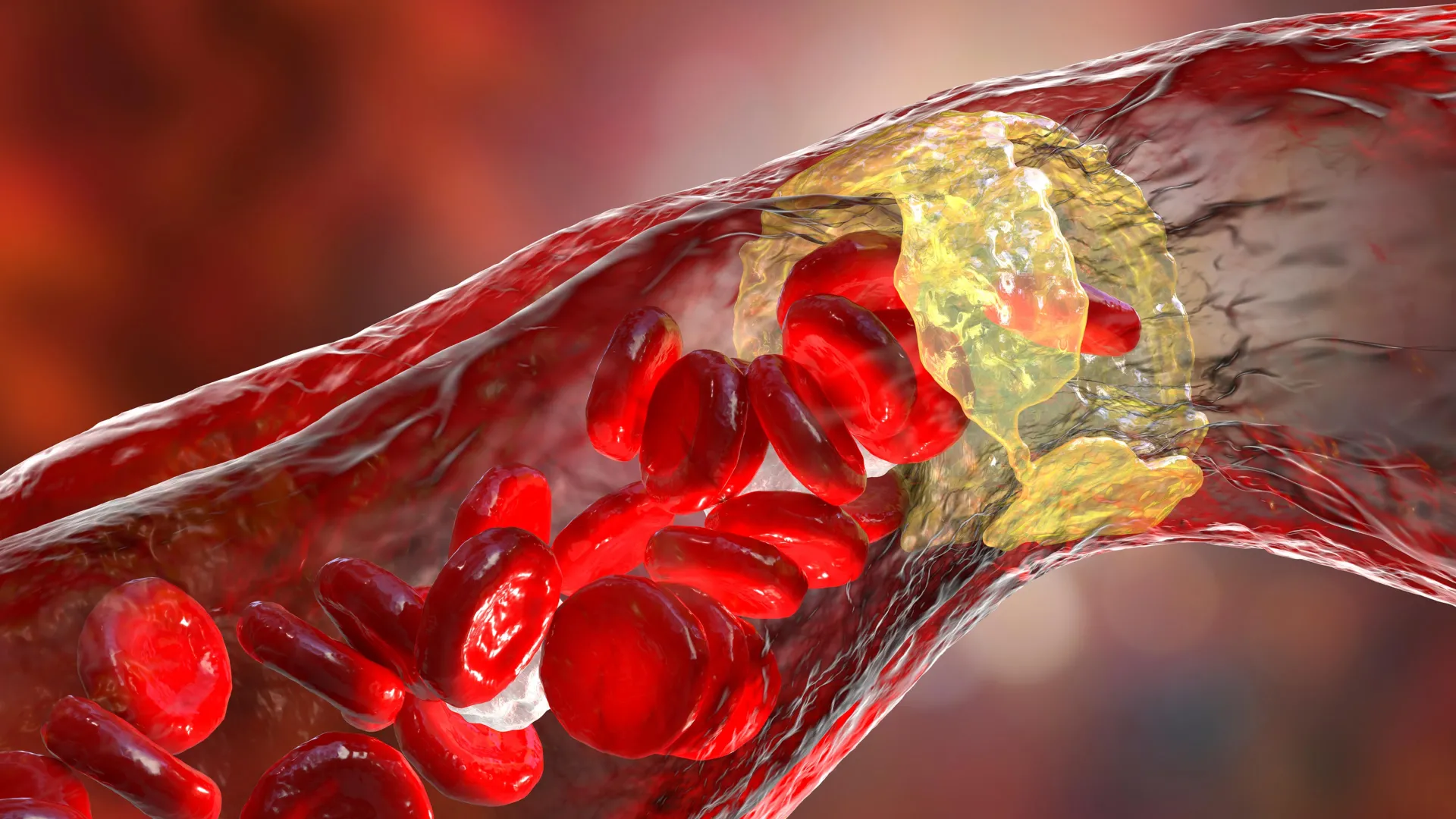
In a major shift for clinical cardiology, new findings presented at the American College of Cardiology’s Annual Scientific Session & Expo suggest that the current "wait-and-see" approach to cardiovascular prevention may be outdated. Researchers from Mass General Brigham have unveiled data demonstrating that the cholesterol-lowering drug evolocumab can significantly reduce the risk of initial major cardiovascular events in high-risk patients with diabetes who have not yet developed clinical atherosclerosis.
The findings, published simultaneously in JAMA, offer a compelling argument for initiating intensive lipid-lowering therapy much earlier in the patient’s clinical journey. By targeting "bad" cholesterol before the buildup of arterial plaque reaches a dangerous threshold, clinicians may be able to prevent the very heart attacks and strokes that have long been considered an inevitable risk for diabetic populations.
Main Facts: A Paradigm Shift in Preventive Cardiology
For over a decade, clinical guidelines have largely restricted intensive cholesterol-lowering therapies, such as PCSK9 inhibitors, to patients who have already suffered a cardiovascular event or have established, advanced atherosclerosis. The prevailing medical wisdom focused on secondary prevention—treating those who were already sick.
However, the VESALIUS-CV trial subgroup analysis challenges this status quo. By focusing on 3,655 patients who possessed high-risk markers for diabetes—such as long-term disease duration, insulin dependency, or microvascular complications—but lacked significant plaque buildup, researchers were able to isolate the prophylactic impact of evolocumab.
The results are stark: adding evolocumab to standard-of-care treatments, such as statins and ezetimibe, resulted in a 31% relative risk reduction for major cardiovascular events—including death from coronary heart disease, heart attack, or ischemic stroke—over a five-year period.
The Chronology of the VESALIUS-CV Investigation
The path to these findings was paved by years of research into the PCSK9 protein, which regulates the liver’s ability to clear LDL-C from the blood.
- Pre-Trial Phase: Recognizing the unique, heightened cardiovascular risk profile of diabetic patients, researchers sought to determine if "primary prevention" could be achieved through the same biological mechanisms that prove successful in secondary prevention.
- Study Enrollment: Researchers recruited 3,655 participants who met stringent "high-risk" criteria for diabetes. These were individuals who had lived with the condition for at least a decade, required daily insulin, or showed signs of damage to small blood vessels—markers that indicate an impending, though not yet clinical, cardiovascular crisis.
- The Intervention: Participants were randomized into two groups. The first group received bi-weekly injections of evolocumab, while the control group received a placebo. Crucially, all participants continued their existing regimen of statins and other cholesterol-management drugs.
- The 48-Week Benchmark: Researchers monitored the participants’ LDL-C levels closely. At the 48-week mark, the data confirmed the efficacy of the drug: the evolocumab group saw median LDL-C levels plummet to 52 mg/dL, compared to 111 mg/dL in the placebo group—a 51% reduction.
- Long-term Follow-up: Over a five-year duration, the cumulative data was analyzed to determine the impact on major adverse cardiovascular events (MACE). The findings were presented at the American College of Cardiology’s conference, marking a milestone in how the medical community views high-risk diabetic management.
Supporting Data: Why "Bad Cholesterol" Demands Aggressive Action
To understand the weight of these findings, one must look at the biology of atherosclerosis. Low-density lipoprotein cholesterol (LDL-C) is the primary driver of plaque accumulation in the arteries. While statins have long been the frontline defense, they are sometimes insufficient to reach the ultra-low levels required for high-risk patients.
Evolocumab, a PCSK9 inhibitor, works by preventing the degradation of LDL receptors, allowing the liver to sweep "bad" cholesterol out of the bloodstream with high efficiency. The study’s data provided a clear correlation:
- Efficacy: The 51% reduction in LDL-C in the treatment arm confirms that the drug is highly effective in this specific patient demographic, even when taken alongside statins.
- Clinical Outcomes: At the five-year mark, only 5% of patients in the evolocumab group had experienced a major cardiovascular event, compared to 7.1% in the placebo group.
- Safety Profile: A primary concern in any long-term medical trial is patient tolerance. The study reported that serious side effects occurred at similar rates in both groups, suggesting that the aggressive lowering of cholesterol via PCSK9 inhibitors is safe and well-tolerated for high-risk, non-atherosclerotic patients.
Official Responses and Expert Commentary
Dr. Nicholas A. Marston, the corresponding author and a cardiologist with the Mass General Brigham Heart and Vascular Institute, emphasized that these findings should fundamentally alter the physician’s approach to preventive care.
"For over a decade, intensive cholesterol-lowering has been reserved for patients who already have cardiovascular disease," Dr. Marston stated during the presentation of the findings. "These results demonstrate the benefit of intensive cholesterol lowering earlier and should change how we think about the prevention of heart attacks, strokes, and heart disease in patients without known significant atherosclerosis."
The study was funded by Amgen Inc., the manufacturer of evolocumab. While the involvement of the manufacturer is a standard component of clinical research, the study’s investigators were largely drawn from the TIMI (Thrombolysis in Myocardial Infarction) Study Group, a renowned academic research organization based at Brigham and Women’s Hospital. The collaborative nature of the study, involving global experts from diverse institutions, lends significant credibility to the findings despite the industry funding.
Implications: Moving Toward Personalized Preventive Medicine
The implications of this trial extend far beyond the immediate study population. If these results are integrated into clinical practice, they could mark the end of the "event-driven" treatment model.
1. Re-defining "High Risk"
The medical community may soon need to redefine what constitutes a candidate for intensive lipid-lowering therapy. If patients with long-term diabetes—even those without overt arterial blockages—can be protected from future cardiac events, the threshold for prescribing PCSK9 inhibitors will likely drop, shifting the focus from treating illness to maintaining vascular health.
2. Economic and Health System Impacts
While PCSK9 inhibitors have historically been more expensive than statins, the potential for preventing first-time heart attacks and strokes—which are among the costliest medical events for health systems—could change the cost-benefit analysis. A successful prevention strategy could lead to significant long-term savings for both insurers and patients.
3. Future Research Directions
The authors of the study are the first to suggest that the story does not end here. The current findings focus specifically on high-risk diabetic patients. Future research is now required to determine if similar benefits could be extended to other high-risk cohorts—such as patients with chronic kidney disease, inflammatory conditions, or high polygenic risk scores—who also lack established atherosclerosis.
4. A Call to Action for Primary Care
General practitioners and endocrinologists are often the first line of defense for diabetic patients. These findings place a new responsibility on these providers: to evaluate the cumulative "vessel age" of their patients rather than waiting for a symptomatic event to trigger aggressive lipid-lowering therapy.
Conclusion
The Mass General Brigham study is a landmark moment in cardiovascular research. By proving that the biological risks of diabetes can be mitigated through proactive, intensive lipid management, the research offers a blueprint for a future where heart attacks and strokes are not merely managed, but avoided altogether. As the medical community digests these results, the conversation in cardiology clinics will undoubtedly shift toward earlier, more aggressive, and more personalized intervention. The era of waiting for the disease to manifest may finally be coming to a close.