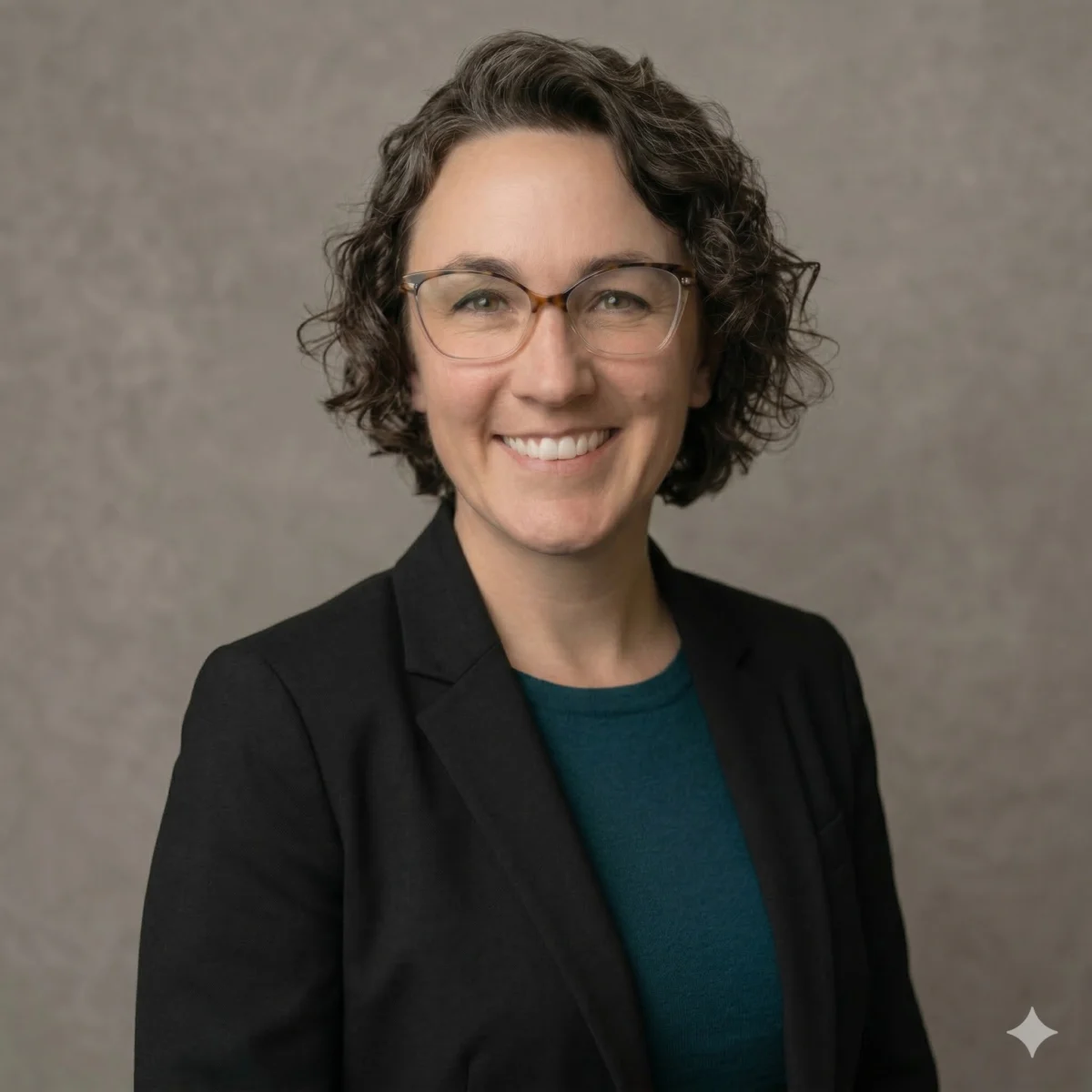
DALLAS, TX – Advanced Arm Dynamics (AAD), the nation’s sole provider exclusively dedicated to upper limb prosthetic rehabilitation, has announced the appointment of Lauren Trent, MOT, as its new Senior Clinical Research & Therapy Programs Lead. This strategic move underscores AAD’s unwavering commitment to accelerating advancements in a field that has historically been underserved, aiming to significantly expand research partnerships and drive innovation in prosthetic care for individuals with upper limb loss. Trent, a seasoned veteran within AAD, brings a wealth of clinical experience, a deep understanding of patient needs, and a robust academic background to this crucial leadership position.
Her appointment signals a renewed focus on leveraging AAD’s unique position at the nexus of patient care, clinical expertise, and industry collaboration to bridge critical gaps in upper limb prosthetics research. This initiative is poised to foster groundbreaking developments that promise to revolutionize functional independence and quality of life for upper limb amputees globally.
Main Facts: A New Era for Upper Limb Prosthetics Research
Advanced Arm Dynamics, a recognized leader in specialized upper limb prosthetic rehabilitation, has officially named Lauren Trent, MOT, to the pivotal role of Senior Clinical Research & Therapy Programs Lead. This appointment is not merely a change in personnel but a significant strategic enhancement designed to bolster AAD’s existing research infrastructure and forge new, impactful collaborations.
Trent’s primary mandate will be to identify, cultivate, and expand research partnerships with academic institutions, government agencies, and prosthetic manufacturers. The ultimate goal is to accelerate the pace of innovation in upper limb prosthetics, encompassing everything from advanced device development to novel rehabilitation protocols and therapeutic strategies. Her role will be instrumental in ensuring that the insights gained from cutting-edge research are seamlessly integrated into clinical practice, directly benefiting patients.
This initiative is particularly vital given the historical disparity in research attention between upper and lower limb prosthetics. Upper limb amputees, representing a smaller demographic within the broader amputee population, have often faced slower progress in device technology and rehabilitation techniques. AAD, with its singular focus and extensive patient population, is uniquely positioned to address this imbalance, and Trent’s leadership is expected to be a catalyst in this endeavor.
Lauren Trent’s qualifications for this demanding role are extensive and deeply rooted in both clinical practice and academic pursuit. With more than nine years of experience as an Arm Dynamics clinical therapy specialist, she possesses an intimate understanding of the functional challenges and aspirations of upper limb prosthetic users. Her background includes three years dedicated to coordinating clinical trials, a role that required meticulous attention to detail, strong patient engagement, and effective liaison with prosthetic industry manufacturers. Academically, Trent holds a Master of Occupational Therapy (MOT) degree and is currently a PhD candidate at the University of Kansas Medical Center, where she is pursuing her doctorate in therapeutic science, further cementing her expertise in evidence-based practice and research methodology. This blend of practical experience, research coordination, and advanced academic training makes her an ideal choice to spearhead AAD’s expanded research agenda.
Chronology: A Journey of Expertise and Innovation
Lauren Trent’s Ascending Path in Upper Limb Rehabilitation
Lauren Trent’s professional trajectory has been singularly focused on enhancing the lives of individuals with upper limb loss, culminating in her current strategic appointment. Her journey began with a foundational academic pursuit, earning a Master of Occupational Therapy (MOT) degree. This comprehensive program equipped her with the therapeutic principles and clinical skills necessary to address the complex physical, psychological, and social needs of patients requiring prosthetic intervention. Occupational therapy, by its very nature, emphasizes helping individuals achieve independence in daily living activities, a mission perfectly aligned with the goals of advanced prosthetic rehabilitation.
Following her master’s degree, Trent joined Advanced Arm Dynamics, where she rapidly distinguished herself as a clinical therapy specialist. Over more than nine years, she immersed herself in the intricate world of upper limb prosthetics, working directly with countless patients. This hands-on experience involved everything from initial assessment and prosthetic fitting to comprehensive functional training and adaptive strategies. She gained invaluable insights into the nuanced challenges patients face, the critical importance of proper prosthetic fit and function, and the profound impact of tailored rehabilitation on an individual’s quality of life. Her direct patient care experience provided a vital real-world perspective that few researchers possess, understanding the practical implications of theoretical advancements.
A significant portion of her tenure at AAD, specifically three years, was dedicated to coordinating clinical trials. In this capacity, Trent served as a crucial bridge between patients, clinicians, and prosthetic manufacturers. She was responsible for recruiting eligible participants, ensuring adherence to research protocols, collecting vital data, and facilitating feedback loops between users and developers. This role demanded not only strong organizational skills but also a deep ethical commitment to patient well-being and a keen eye for the scientific rigor required in clinical research. Through these trials, she gained firsthand experience in evaluating emerging technologies, understanding regulatory pathways, and collaborating with diverse stakeholders to bring innovative solutions to the forefront. These trials likely involved testing new prosthetic components, evaluating novel control systems (such as myoelectric interfaces), or assessing the efficacy of new therapeutic techniques designed to maximize prosthetic function.
Currently, Trent is further solidifying her academic credentials as a PhD candidate in therapeutic science at the University of Kansas Medical Center. This advanced doctoral program is designed to train clinician-scientists who can generate new knowledge to improve health outcomes and inform clinical practice. Her doctoral studies undoubtedly involve rigorous research, critical analysis of existing literature, and the development of new methodologies, all of which will directly inform her leadership in AAD’s expanded research initiatives. Her blend of extensive clinical experience, practical research coordination, and advanced academic pursuit positions her uniquely to drive meaningful innovation in the field.
The Evolution of Advanced Arm Dynamics: A Legacy of Specialization
The story of Advanced Arm Dynamics is one of visionary leadership and an unwavering commitment to a specialized niche within prosthetic care. The company was founded in 1998 by John M. Miguelez, CP, FAAOP(D), a pioneering upper limb prosthetic specialist and researcher. Miguelez recognized a significant void in the prosthetic industry: while many providers offered general prosthetic services, few, if any, possessed the concentrated expertise and resources necessary to adequately address the complex and unique needs of upper limb amputees. His vision was to create a center of excellence that would focus exclusively on upper limb prosthetic rehabilitation, providing unparalleled care, advanced technology, and a dedicated research platform.
From its inception, AAD distinguished itself by its holistic approach to care, understanding that successful upper limb prosthetic rehabilitation extends beyond simply fitting a device. It encompasses comprehensive therapy, psychological support, and ongoing patient education. This specialization allowed AAD to develop deep expertise, refine clinical protocols, and attract highly skilled therapists and prosthetists who shared the company’s singular focus.
Over more than two decades, AAD has grown from a specialized practice into a national leader with five Centers of Excellence strategically located across the United States: Dallas, TX; Houston, TX; Kansas City, KS; Portland, OR; and Minneapolis, MN. This expansion reflects the growing recognition of AAD’s unique capabilities and the increasing demand for highly specialized upper limb prosthetic care. Each center is equipped with state-of-the-art facilities and staffed by a multidisciplinary team dedicated solely to upper limb patients.
Throughout its history, AAD has been at the forefront of integrating research into clinical practice. Its long-standing commitment to research, even before the formalization of Trent’s new role, has seen it collaborate with prestigious partners. These collaborations have allowed AAD to contribute significantly to the development and evaluation of advanced prosthetic technologies, ranging from myoelectric hands to sophisticated control systems. The company’s 28 years of clinical care have generated an invaluable repository of patient data and clinical insights, providing a robust foundation for empirical research and continuous improvement in patient outcomes. The establishment of Lauren Trent’s new leadership position marks a natural progression, signifying AAD’s commitment to not just participate in, but to actively drive, the future of upper limb prosthetic innovation.
Supporting Data: Bridging the Research Gap in Upper Limb Prosthetics
The Disparity in Amputee Research: A Critical Overview
The field of prosthetics has made incredible strides over the past few decades, yet progress has been unevenly distributed. As Lauren Trent rightly points out, upper limb prosthetics has historically received far less research attention compared to its lower limb counterpart. This disparity is rooted in several key factors, creating significant barriers to innovation for a patient population with unique and complex needs.
The primary statistical driver of this imbalance is the relative prevalence of upper versus lower limb amputations. Approximately 2 million people live with limb loss in the United States, with an estimated 185,000 new amputations occurring each year. Of this population, upper limb amputees constitute a significantly smaller percentage, typically ranging from 20% to 30% of all amputations. This means that for every upper limb amputee, there are roughly three to four lower limb amputees. This smaller patient population often translates into fewer research grants, less industry investment, and a smaller pool of participants for clinical trials, thereby slowing the pace of innovation.
Furthermore, the functional demands placed on an upper limb prosthesis are fundamentally different and often more complex than those of a lower limb prosthesis. Lower limb prostheses are primarily designed for weight-bearing, locomotion, and stability. While sophisticated, their core functions revolve around replicating basic ambulatory mechanics. In contrast, upper limb prostheses must address an incredibly diverse range of functions, including fine motor control, dexterity, grip strength, sensory feedback, and the ability to manipulate objects in three-dimensional space. The human hand, with its 27 bones and intricate musculature, is a marvel of biomechanical engineering, capable of everything from threading a needle to gripping heavy tools. Replicating even a fraction of this functionality in a prosthetic device presents immense engineering and neuro-control challenges. The absence of natural sensory feedback in most conventional prostheses further complicates tasks that rely on tactile information, such as differentiating textures or judging grip force.
As a result of these barriers, advancements in upper limb devices and rehabilitation strategies have indeed moved at a slower pace. While lower limb prosthetics have seen rapid development in microprocessor-controlled knees, advanced ankle-foot systems, and highly customized sockets, upper limb technology, particularly for complex multi-articulating hands and intuitive control systems, has faced a more arduous path to widespread clinical adoption. This slower pace directly impacts the quality of life, vocational opportunities, and overall independence for upper limb amputees, highlighting an urgent need for dedicated research and development. The economic implications are also substantial; limited functional recovery can lead to reduced employability and increased dependence on support services, emphasizing the societal benefit of improving upper limb prosthetic outcomes.
Advanced Arm Dynamics’ Unique Contribution to Research
Against this backdrop of research disparity, Advanced Arm Dynamics stands as a critical and uniquely positioned institution. As the only prosthetic provider in the US that focuses exclusively on upper limb prosthetic rehabilitation, AAD has cultivated an unparalleled ecosystem for fostering innovation.
This specialization allows AAD to concentrate its resources, expertise, and clinical focus entirely on the nuances of upper limb loss. Unlike general prosthetic clinics that must divide their attention across a broad spectrum of amputation levels and types, AAD’s team—comprising prosthetists, occupational therapists, and support staff—develops deep, specialized knowledge and experience specific to the upper extremity. This includes expertise in fitting complex myoelectric devices, advanced surgical techniques for improved prosthetic control (like Targeted Muscle Reinnervation), and highly individualized rehabilitation programs designed to maximize functional outcomes.
Crucially, AAD’s dedicated focus has resulted in the development of a "highly proficient patient population" for research purposes, a resource that is nearly impossible to replicate elsewhere. Because AAD treats a high volume of upper limb amputees and provides long-term, specialized care, it has a patient base that is often more experienced with prosthetic use, more adept at learning new control strategies, and more engaged in their rehabilitation journey. These patients are not only willing participants in clinical trials but also invaluable collaborators, providing sophisticated feedback on device performance, comfort, and usability. Their lived experience offers critical insights that theoretical models or lab simulations cannot replicate, accelerating the iterative design and improvement process for new technologies.
AAD’s commitment to advancing the field is further evidenced by its impressive track record of partnerships with leading research and industry entities. These collaborations are not incidental but are foundational to AAD’s mission:
- DARPA (Defense Advanced Research Projects Agency): AAD has likely contributed to DARPA’s groundbreaking initiatives in advanced prosthetics, such as the "Revolutionizing Prosthetics" program, which aims to develop highly advanced, neurally controlled robotic arms. AAD’s patient population and clinical expertise would be vital for testing and refining these sophisticated devices in real-world scenarios.
- FDA (Food and Drug Administration): Collaborations with the FDA could involve providing clinical data for regulatory approvals of new prosthetic devices, participating in post-market surveillance studies, or offering expert insights into the safety and efficacy of emerging technologies.
- Cleveland Clinic and UT Southwestern Medical Center: Partnerships with major academic medical centers indicate involvement in clinical trials that explore the biomechanics of prosthetic use, the effectiveness of different rehabilitation protocols, or the integration of neural interfaces with prosthetic limbs. These collaborations often bridge basic science with translational research.
- Prosthetic Component Manufacturers: AAD works directly with manufacturers on the front lines of product development. This can involve beta-testing new prosthetic hands, elbows, or control systems, providing critical user feedback, and contributing to the design and engineering process to ensure new products meet patient needs and clinical standards.
As Lauren Trent articulates, "Partnerships are something we do very well, built on 28 years of clinical care and research experience." This longevity signifies not just experience, but a deep reservoir of accumulated knowledge, established protocols, and trusted relationships that make AAD an indispensable partner in the quest for superior upper limb prosthetic solutions. Their extensive clinical database and the sheer volume of upper limb patients they serve provide an unparalleled platform for evidence-based research and the rapid translation of findings into improved patient care.
Official Responses: Driving the Future of Patient Care
Lauren Trent’s Vision: Personal Commitment, Global Impact
Lauren Trent’s enthusiasm for her new role is palpable, deeply rooted in both her professional expertise and a profound personal commitment to the patient community she serves. Her statement, "What excites me about advancing research partnerships is the positive impact it has on current and future upper limb patients," encapsulates a vision that extends far beyond mere scientific inquiry. It speaks to a dedication to tangible improvements in human lives.
Trent envisions a future where research directly translates into a significant enhancement of functional independence for upper limb amputees. This involves not just better prostheses, but prostheses that feel more intuitive, respond more naturally, and integrate more seamlessly with the user’s body and mind. She believes that the "opportunity to trial emerging technologies can revolutionize the way people use their prostheses." This revolution could manifest in various ways:
- More Natural Movements: Advanced prostheses might offer a greater range of motion and more fluid, lifelike movements, reducing the compensatory movements that can lead to musculoskeletal issues.
- Improved Grip Strength and Dexterity: Innovations could provide enhanced sensory feedback, allowing users to feel the pressure, texture, and temperature of objects, leading to more precise and confident manipulation. This would allow for a wider array of daily tasks, from handling delicate items to operating tools with greater efficacy.
- Integration of Sensory Feedback: The holy grail of prosthetics, restoring a sense of touch, could dramatically improve function and reduce phantom limb pain, making the prosthesis feel more like an extension of the body.
- Reduced Cognitive Load: Simpler, more intuitive control systems, potentially utilizing advanced AI or neural interfaces, would reduce the mental effort required to operate the prosthesis, freeing up cognitive resources for other tasks and leading to less fatigue.
- Enhanced Quality of Life: Ultimately, these technological and therapeutic advancements would "enrich their lives" by enabling greater participation in work, hobbies, social activities, and personal care, fostering a stronger sense of self-efficacy and well-being.
Trent’s personal connection to the work, forged through years of direct patient interaction, fuels her drive to push the boundaries of research. She understands intimately the frustrations and triumphs of her patients, which translates into a passionate advocacy for research that genuinely addresses their needs and aspirations. Her leadership will ensure that patient-centricity remains at the core of AAD’s research agenda, ensuring that technological advancements are not just impressive but truly beneficial and usable in everyday life. Her future goals for the role include not only expanding the network of partners but also championing specific research initiatives focused on areas like advanced pain management, improved prosthetic comfort, and the long-term psychological impact of prosthetic use.
Leadership Perspective: Reinforcing AAD’s Strategic Vision
While a direct quote from John M. Miguelez, AAD’s founder, is not provided in the original text, it is clear that Lauren Trent’s appointment aligns perfectly with the company’s long-standing strategic vision. A hypothetical statement from Miguelez or another AAD executive would undoubtedly underscore the significance of this move:
"Lauren Trent’s appointment as our Senior Clinical Research & Therapy Programs Lead represents a pivotal moment for Advanced Arm Dynamics and, more broadly, for the entire upper limb prosthetic community," an AAD executive might state. "Her unparalleled blend of clinical acumen, extensive experience in trial coordination, and advanced academic pursuit makes her the ideal leader to spearhead our expanded research endeavors. For over 28 years, AAD has been dedicated to pushing the boundaries of what’s possible for upper limb amputees. Lauren’s leadership will not only strengthen our existing partnerships with institutions like DARPA, the FDA, and leading medical centers but also catalyze new collaborations that are essential for translating groundbreaking science into practical, life-changing solutions for our patients. This strategic enhancement reaffirms our commitment to innovation and ensuring that every upper limb amputee has access to the most advanced and effective prosthetic care available anywhere in the world."
This statement would highlight how Trent’s role is a natural evolution of AAD’s foundational commitment to research and innovation. It reinforces the company’s belief that continuous scientific inquiry, directly linked to clinical practice, is the most effective way to improve patient outcomes. Her leadership is expected to streamline the process of moving new discoveries from the lab to the clinic, ensuring that AAD remains at the forefront of the field and continues to set the standard for specialized upper limb prosthetic rehabilitation. This appointment also signals AAD’s long-term strategic goal of not just providing care, but actively shaping the future of that care through robust, patient-centered research.
Implications: Shaping the Future of Upper Limb Rehabilitation
Impact on the Upper Limb Prosthetic Field
Lauren Trent’s appointment and Advanced Arm Dynamics’ renewed emphasis on expanding research partnerships carry profound implications for the entire upper limb prosthetic field. This strategic initiative has the potential to act as a significant catalyst, accelerating the pace of innovation and development in an area that has historically lagged.
Firstly, AAD’s intensified research efforts, under Trent’s leadership, are likely to foster faster development cycles for new technologies. By leveraging AAD’s unique patient population and deep clinical expertise, manufacturers and researchers can rapidly prototype, test, and refine devices with real-world feedback. This iterative process, driven by close collaboration, can significantly reduce the time it takes for cutting-edge prosthetics to move from concept to market.
Secondly, this focus will inevitably lead to more patient-centric designs. AAD’s direct involvement ensures that new devices and therapies are developed with the end-user’s functional needs, comfort, and preferences at the forefront. This means prostheses that are not only technologically advanced but also highly practical, durable, and intuitive for daily use. This patient-first approach will likely influence other institutions and manufacturers, setting a new standard for development in the field.
Thirdly, enhanced research will undoubtedly lead to improved rehabilitation protocols. As new prosthetic technologies emerge, there is a corresponding need for specialized training and therapeutic strategies to maximize their benefits. AAD, with its integrated clinical and research teams, is ideally positioned to develop and disseminate these advanced protocols, ensuring that patients receive the most effective and evidence-based rehabilitation possible. This could include novel motor learning techniques, virtual reality training, or personalized therapy plans tailored to specific device capabilities.
Finally, AAD’s leadership in this area could significantly increase the overall attention and funding directed towards upper limb research. By demonstrating successful research models and tangible outcomes, AAD can advocate for greater investment from government agencies, philanthropic organizations, and private industry, helping to close the long-standing research gap with lower limb prosthetics. This ripple effect could elevate the entire field, encouraging more researchers and clinicians to specialize in upper limb care.
Direct Benefits for Patients
The most direct and significant beneficiaries of this intensified research focus will be current and future upper limb amputees. The implications for patient care are transformative:
- Access to Cutting-Edge Technologies: Patients at AAD, and eventually beyond, will have earlier access to the latest prosthetic devices and innovative therapies through participation in clinical trials. This means they will be among the first to experience advancements that can dramatically improve their daily lives.
- Personalized Care Based on Latest Research: The integration of research findings into clinical practice will ensure that AAD’s rehabilitation programs are continuously updated and refined. This will lead to highly personalized care plans, leveraging the most current understanding of biomechanics, neurophysiology, and therapeutic effectiveness.
- Improved Functional Outcomes: With better devices and more effective rehabilitation, patients can expect to achieve higher levels of functional independence. This translates into greater ease in performing daily activities, increased participation in work and leisure, and a reduced reliance on caregivers.
- Enhanced Quality of Life: Beyond mere function, the improvements will contribute to a significantly better quality of life. This includes reduced pain (e.g., phantom limb pain), improved comfort, greater confidence, and a stronger sense of self-efficacy and integration within their communities. The psychological benefits of feeling more capable and less limited are immeasurable.
- Advocacy and Awareness: AAD’s increased research prominence will also serve to raise awareness about the unique challenges faced by upper limb amputees. This advocacy can lead to better insurance coverage, greater public understanding, and a more inclusive society for individuals with limb loss.
Future Outlook for Advanced Arm Dynamics
Lauren Trent’s appointment marks a pivotal moment in Advanced Arm Dynamics’ trajectory, positioning the company for continued growth and unparalleled leadership in upper limb prosthetic rehabilitation.
In the long term, this strategic investment in research solidifies AAD’s reputation as not just a provider of exceptional clinical care but also as a central hub for innovation and scientific discovery. This dual focus will attract top talent—both clinicians and researchers—who are passionate about advancing the field. It could also lead to the expansion of AAD’s services, potentially including new centers focused specifically on research and development, or the integration of advanced diagnostic and training technologies across its existing five Centers of Excellence.
AAD’s commitment to bridging the gap between research and clinical application will reinforce its position as the definitive resource for complex upper limb prosthetic solutions. This will not only ensure its sustained leadership but also significantly contribute to a future where upper limb amputees have access to prosthetic technologies and rehabilitation strategies that truly restore function, independence, and enrich their lives beyond what is currently imagined. The long-term vision is a future where the functional limitations associated with upper limb loss are continually minimized, paving the way for a new era of possibilities for patients worldwide.