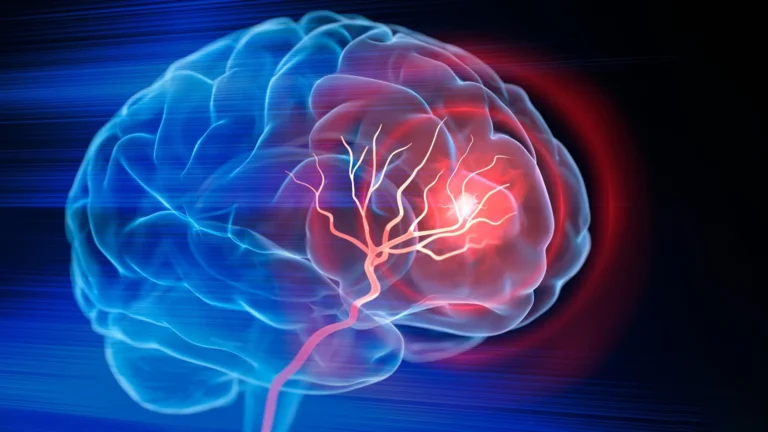
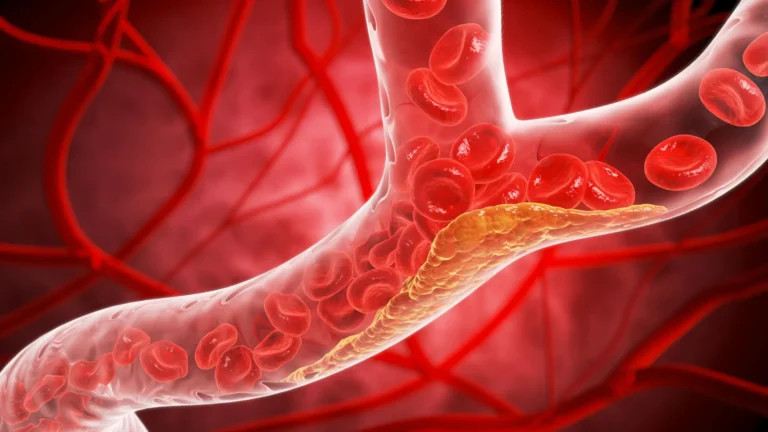
In the high-stakes landscape of cardiovascular medicine, the aftermath of a heart attack is often more damaging than the event itself. When the heart’s blood supply is cut off, cardiac muscle tissue dies, leaving behind non-contractile scar tissue that degrades heart function over time. For decades, the medical community has lacked a definitive therapy to repair this damage directly. However, a revolutionary biomaterial developed by researchers at the University of California San Diego (UCSD) is poised to change that paradigm.
By repurposing the body’s own building blocks into an injectable, systemic therapy, bioengineers have created a way to treat injured organs from the inside out. This approach, which leverages the body’s vascular network as a delivery highway, has shown remarkable success in preclinical trials, signaling a potential shift toward a new era of regenerative medicine.
The Chronology of an Innovation: From Catheter to Intravenous Infusion
The journey toward this breakthrough began with a fundamental challenge in tissue engineering: how to deliver restorative materials to deep, inaccessible organs without causing further trauma.
Phase 1: The Hydrogel Predecessor
The roots of this research lie in a previous innovation by the lab of Karen Christman, a professor of bioengineering at UCSD. Her team pioneered a hydrogel derived from the extracellular matrix (ECM)—the natural structural scaffolding that supports cells within the heart. This earlier iteration was designed to be injected directly into the damaged cardiac muscle via a catheter.
In 2019, the team reported the results of a successful Phase 1 clinical trial for this material, known as VentriGel. The study confirmed that direct intramyocardial injection was safe and feasible for patients suffering from left ventricular dysfunction post-heart attack. However, the limitation of this method was clear: it required invasive needle-based delivery directly into the heart wall, a procedure that could not be performed immediately after an acute infarction due to the risk of exacerbating the injury.
Phase 2: The Shift to Systemic Delivery
Recognizing that the "golden hour" for cardiac intervention often precludes invasive, localized surgery, the team pivoted. They sought a method that could be administered via standard procedures, such as angioplasty or even simple intravenous (IV) infusion.
In a landmark study published in Nature Biomedical Engineering in 2022, the team unveiled an "intravascularly infused" version of their ECM biomaterial. By utilizing a centrifuge to isolate nano-sized particles from the original hydrogel, the researchers created a substance that could navigate the bloodstream and localize at the site of injury. This breakthrough marked the transition from "surgical intervention" to "systemic regeneration."
The Science of Localization: How the Biomaterial Finds its Mark
The mechanism by which this biomaterial functions is a masterpiece of bio-mechanical design. Once infused, the nano-particles travel through the vascular system. Under normal physiological conditions, the blood-vessel lining (endothelium) remains intact. However, following a heart attack, inflammation causes "leaky" microvasculature, where gaps form between endothelial cells.
The biomaterial is engineered to target these specific sites. Once it reaches the inflamed area, it does more than just provide a scaffold; it acts as a biological seal. Researchers observed that the material attaches to the endothelial cells, effectively closing the gaps and promoting the healing of the vessel walls. By mitigating the inflammation that typically drives secondary tissue damage, the material creates a more favorable environment for the heart to begin its own repair process.
Supporting Data: Preclinical Success and Cellular Insight
The efficacy of this treatment has been documented through rigorous animal testing, demonstrating consistent results across both rodent and porcine models.
Statistical and Biological Outcomes
In trials featuring rats and pigs with induced acute myocardial infarction, the intravenous administration of the ECM biomaterial resulted in:
- Reduced Left Ventricular Volumes: A critical metric in preventing heart failure.
- Improved Wall Motion Scores: Indicating that the heart was regaining its contractility.
- Positive Gene Expression: Analysis showed an upregulation of genes associated with tissue repair, immune modulation, and anti-inflammatory pathways.
The 2025 Deep Dive: Spatial Transcriptomics
The science behind this material continues to evolve. A 2025 study published in Nature Communications provided a deeper look into the cellular landscape post-infusion. Using single-nucleus RNA sequencing and spatial transcriptomics, researchers mapped exactly how the ECM-based biomaterial influences the heart at a cellular level. The data confirmed that the treatment triggers a cascade of pro-repair signals, including the activation of fibroblasts, the stimulation of lymphatic development, and even neurogenesis within the injured cardiac tissue.
Official Responses and Clinical Perspectives
The medical community has received these developments with cautious optimism, noting that while the results are revolutionary in a laboratory setting, the path to clinical adoption requires rigorous validation.
Dr. Ryan R. Reeves, a physician in the UCSD Division of Cardiovascular Medicine, emphasizes the urgency of the situation. "Coronary artery disease, acute myocardial infarction, and congestive heart failure continue to be the most burdensome public health problems affecting our society today," he notes. Dr. Reeves, who manages these patients daily, views the potential of an "easy-to-administer" therapy as a game-changer for long-term patient outcomes, specifically in preventing the progression toward chronic heart failure.
Professor Karen Christman, who has spearheaded these efforts, maintains that the goal is to bridge the gap between complex bioengineering and bedside practicality. "This biomaterial allows for treating damaged tissue from the inside out," Christman explains. "It’s a new approach to regenerative engineering that leverages the body’s existing infrastructure."
Broadening the Horizon: Beyond the Heart
While the initial focus has been on the heart—an organ uniquely prone to ischemic damage—the fundamental logic of the intravascular biomaterial has far-reaching implications.
Because the delivery mechanism relies on the bloodstream, the therapy is not inherently limited to cardiac tissue. During the 2022 study, the research team conducted proof-of-concept experiments indicating that the biomaterial could be adapted to treat other inflammation-driven conditions. Two specific areas of interest include:
- Traumatic Brain Injury (TBI): Where the blood-brain barrier is compromised and inflammation is a primary driver of neuronal loss.
- Pulmonary Arterial Hypertension (PAH): Where vascular remodeling and inflammation contribute to the narrowing of blood vessels in the lungs.
If successful in these arenas, this platform technology could transform how we treat a wide spectrum of injuries that are currently "difficult to access," opening doors for regenerative medicine to intervene in scenarios where traditional surgery is either impossible or too high-risk.
The Path Forward: Clinical Testing and Regulatory Hurdles
Despite the excitement, the biomaterial remains in the experimental phase. The next critical step for Christman and her team—including the startup Ventrix Bio, Inc.—is to secure FDA authorization to move into human clinical trials.
The road ahead involves proving three fundamental pillars:
- Safety: Ensuring the systemic administration does not trigger adverse immune reactions or unintended clotting.
- Practicality: Demonstrating that the product is stable, shelf-ready, and compatible with standard clinical infusion equipment.
- Efficacy: Proving that the regenerative signals observed in pigs and rodents translate to meaningful, long-term functional recovery in human patients.
Simultaneously, other initiatives continue to advance the field. The ongoing Phase 1 trial for the original VentriGel (the direct-injection version) in children with hypoplastic left heart syndrome serves as a vital indicator of the safety profile of cardiac ECM materials in human subjects. While this is a different delivery method, the data gathered will undoubtedly inform the regulatory pathway for the newer, intravascular version.
Conclusion
The evolution of cardiac repair from invasive open-heart procedures to systemic, "smart" biomaterial infusions represents a hallmark of 21st-century medicine. By viewing the bloodstream not merely as a transport system, but as a strategic delivery route for regenerative therapy, researchers are moving closer to a world where a heart attack is no longer a life-altering sentence of permanent scarring.
As we look toward the potential of human clinical trials, the promise is clear: the ability to heal the heart from within may soon move from the pages of Nature into the standard protocol of the modern cardiac unit. For the nearly 800,000 Americans who suffer a heart attack annually, this could be the difference between a life of chronic management and a future of genuine biological recovery.