




For nearly two decades, the silos separating medicine and dentistry have presented a significant barrier to effective patient care, particularly in the realm of sleep-disordered breathing. However, a pioneering model developed by sleep physician Mark Rasmus, MD, and dental sleep medicine practitioner Jamison Spencer, DMD, MS, is proving that a seamless, collaborative approach is not only possible but essential for optimal patient outcomes.
By maintaining independent business structures while synchronizing clinical operations, Dr. Rasmus and Dr. Spencer have created a robust referral framework that has successfully navigated the complexities of treating thousands of patients. As the industry shifts toward integrated care models, their partnership offers a compelling case study on how interdisciplinary trust can be fostered to ensure that patients receive the most appropriate treatment, whether that be Positive Airway Pressure (PAP) therapy or Oral Appliance Therapy (OAT).
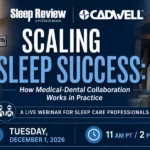
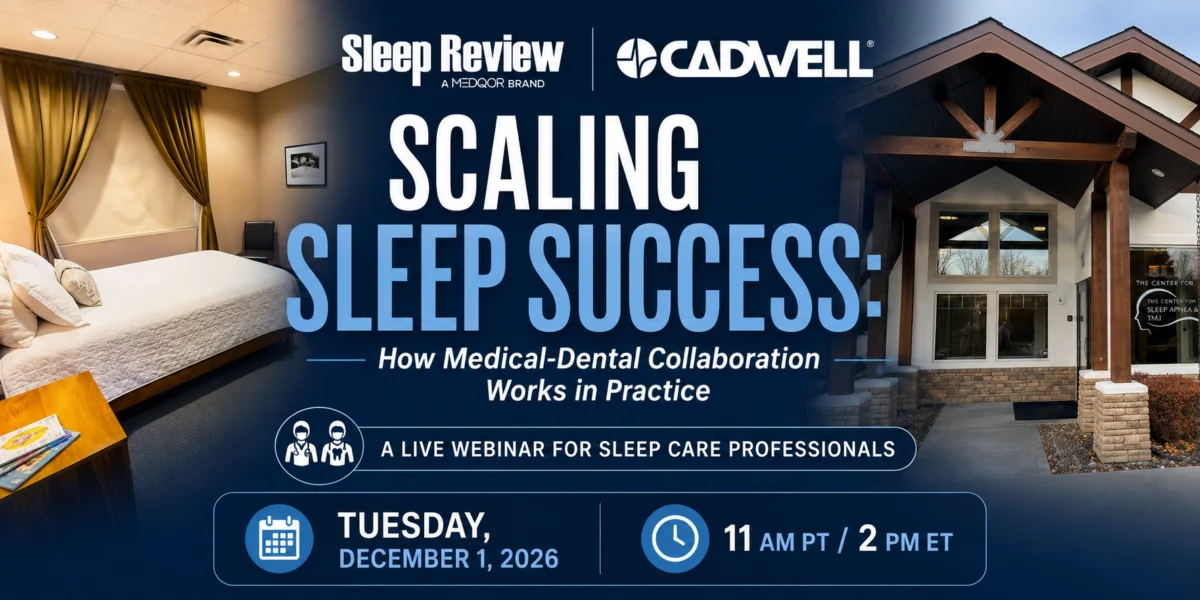
To share these insights, the duo will headline a comprehensive webinar on Tuesday, December 1, at 11 am PT/2 pm ET. The event promises to provide attendees with actionable strategies to build, sustain, and scale referral networks within their own communities.
The Main Facts: Defining the Collaborative Model
The core of the Rasmus-Spencer partnership lies in its simplicity and intentionality. Unlike corporate consolidations that merge practices under one roof, this model emphasizes "collaborative autonomy." It recognizes that medical sleep physicians and dental sleep practitioners possess distinct skill sets that, when aligned, create a comprehensive safety net for the patient.
The Problem of Fragmentation
Traditionally, patients suffering from obstructive sleep apnea (OSA) or snoring have faced a fragmented journey. A patient might visit a physician for a diagnosis, receive a CPAP prescription, struggle with compliance, and then find themselves lost in the system. Conversely, a dentist might identify signs of sleep apnea during a routine exam but lack the formal medical channels to ensure a proper diagnosis and long-term follow-up.
The Solution: Synchronized Care
The Rasmus-Spencer model addresses this by:
- Formalized Referral Pathways: Establishing clear protocols for when a physician should refer to a dentist and vice versa.
- Unified Documentation: Ensuring that clinical notes and test results flow securely between the medical office and the dental practice.
- Shared Responsibility: Recognizing that the medical physician remains the primary diagnostician, while the dental practitioner manages the ongoing therapy and device titration.
A Chronology of Collaboration: Two Decades in the Making
The journey of Dr. Rasmus and Dr. Spencer began nearly 20 years ago, at a time when the field of dental sleep medicine was in its infancy. Their partnership did not happen overnight; it was the result of trial, error, and a mutual commitment to patient-centric care.
The Formative Years (Years 1–5)
During the early years, the primary challenge was credibility. Many medical physicians were skeptical of oral appliances, viewing them as a "fringe" alternative to the gold-standard CPAP. Dr. Spencer, working alongside Dr. Rasmus, had to prove that dental devices were backed by rigorous clinical data. During this period, the focus was on establishing a common language and clinical vocabulary between the two offices.
The Integration Phase (Years 6–12)
As the partnership matured, the focus shifted to operational efficiency. They developed standardized intake forms, HIPAA-compliant communication protocols, and a tracking system for patient compliance. This was the era where they began to see the true impact of their collaboration: higher patient retention rates and significantly improved quality-of-life scores for their patients.
The Optimization Era (Years 13–Present)
In the last seven years, the focus has moved toward "objective testing." Both practitioners now emphasize that starting a treatment is only the first step. The model currently hinges on rigorous follow-up, ensuring that every patient—whether on PAP or OAT—is monitored with objective data to verify the effectiveness of the therapy.
Supporting Data: Why Interdisciplinary Care Matters
The necessity for this collaboration is backed by a growing body of evidence highlighting the limitations of monotherapy. According to recent sleep medicine studies, the long-term adherence rate for PAP therapy remains a persistent challenge, with estimates suggesting that as many as 50% of patients are non-adherent after the first year.
The Complementary Role of PAP and OAT
The Rasmus-Spencer model emphasizes that PAP and OAT are not mutually exclusive but are instead complementary tools in a physician’s arsenal.
- PAP Therapy: Remains the gold standard for severe OSA due to its ability to provide objective pressure delivery.
- OAT: Provides a viable, highly effective alternative for patients with mild to moderate OSA, or for those who are "CPAP intolerant."
By working together, Dr. Rasmus and Dr. Spencer ensure that if a patient fails one therapy, they are immediately transitioned to the other, rather than falling out of the healthcare system entirely. This "closed-loop" system significantly reduces the time patients spend in an untreated state, which is vital for preventing the comorbidities associated with chronic sleep apnea, such as cardiovascular disease, hypertension, and diabetes.
Official Perspectives: Lessons from the Experts
During the upcoming webinar, Dr. Rasmus and Dr. Spencer will peel back the curtain on the "human element" of their success. A key theme of their presentation will be the development of trust.
Building Trust Across Disciplines
"Trust is not something you sign a contract for," Dr. Spencer often notes. "It is something you earn by being reliable, transparent, and focused on the patient’s best interest." The speakers will share how they navigate disagreements in treatment plans and how they handle patient expectations when the initial therapy does not produce the desired results.
The Importance of Follow-up
A major point of emphasis in their curriculum is the role of objective testing. Many dental sleep practices fail because they lack a robust protocol for "post-delivery" testing. The duo will explain why a patient should never be "set and forgotten." Whether it is a home sleep test (HST) or a formal polysomnography (PSG), objective data remains the only way to confirm that the airway is truly open and the therapy is working as intended.
Implications for the Future of Sleep Care
The model proposed by Dr. Rasmus and Dr. Spencer has profound implications for the future of the healthcare industry. As the prevalence of sleep-disordered breathing continues to rise globally, the medical system cannot handle the load alone.
Scalability and Community Impact
The strategies discussed in the webinar are designed to be scalable. Whether you are a solo practitioner in a rural town or part of a large multi-specialty group in a metropolitan area, the principles of building referral pathways remain the same. The goal is to move away from the "isolated practitioner" model and toward a "networked care" model.
Educational Advancements
The industry is taking notice. The fact that the CSTE program application has been submitted for approval by the Board of Registered Polysomnographic Technologists (BRPT) indicates that the professional bodies governing sleep medicine are beginning to prioritize interdisciplinary education. This recognition is a validation of the hard work done by practitioners like Rasmus and Spencer.
Registering for the Event: A Call to Action
For professionals looking to sharpen their referral strategies and improve their clinical outcomes, the December 1 webinar is a critical opportunity.
Event Details:
- Date: Tuesday, December 1
- Time: 11 am PT / 2 pm ET
- Format: Live presentation followed by an interactive Q&A session.
Learning Objectives:
- Developing Referral Pathways: Learn how to initiate and sustain professional relationships with local medical or dental peers.
- Patient Selection Strategies: Gain insights into identifying which patients are the best candidates for OAT versus PAP.
- Coordinated Care: Learn how to establish a shared communication channel to ensure that patient information is accurate and accessible.
- Clinical Compliance: Understand the role of objective follow-up testing and how to integrate it into your daily operations.
Attendees are encouraged to come prepared with questions. The Q&A segment is designed to address the specific challenges participants face in their own clinics, ranging from insurance reimbursement hurdles to communication breakdowns between offices.
Meet the Presenters
Jamison Spencer, DMD, MS
Dr. Spencer is a leader in the field of dental sleep medicine. With a background that combines advanced clinical dentistry with a master’s degree in science, he has spent his career bridging the gap between oral health and systemic wellness. His work is characterized by a commitment to evidence-based practice and a passion for teaching others how to integrate sleep medicine into a dental practice effectively.
Mark Rasmus, MD
Dr. Rasmus is a board-certified sleep physician with decades of experience in clinical sleep medicine. His expertise lies in the diagnostic and therapeutic management of complex sleep disorders. His partnership with Dr. Spencer is a testament to his belief that the best patient outcomes are achieved when the boundaries between medical specialties are blurred in favor of a unified, patient-first approach.
This event is essential for dentists looking to expand their sleep practice, physicians looking for reliable dental partners, and sleep technologists seeking to understand the full scope of patient care. Join us on December 1 to learn how you can contribute to a more integrated, effective future for sleep medicine.