By Active Minds Editorial Staff
Published: August 25, 2026
As the sweltering heat of August begins to yield to the crisp, amber-hued mornings of late summer, a familiar transition takes hold across the United States. The "song of the summer" is gradually fading from digital playlists, replaced by the rhythmic hum of school buses and the bustling energy of campus hallways. Local coffee shops have signaled the shift with the return of pumpkin spice and cardamom chai, but for millions of students, this seasonal change brings more than just a shift in wardrobe or beverage choice.
The return to the classroom in 2026 marks a pivotal moment for student mental health. While the "back-to-school" season is traditionally associated with the excitement of reunions, football games, and new beginnings, it simultaneously ushers in a period of heightened social anxiety, academic pressure, and profound psychological transitions. This year, the conversation surrounding student well-being is more urgent than ever, fueled by evolving federal policies and a growing movement of youth-led advocacy.
Main Facts: The Dual Nature of the Academic Transition
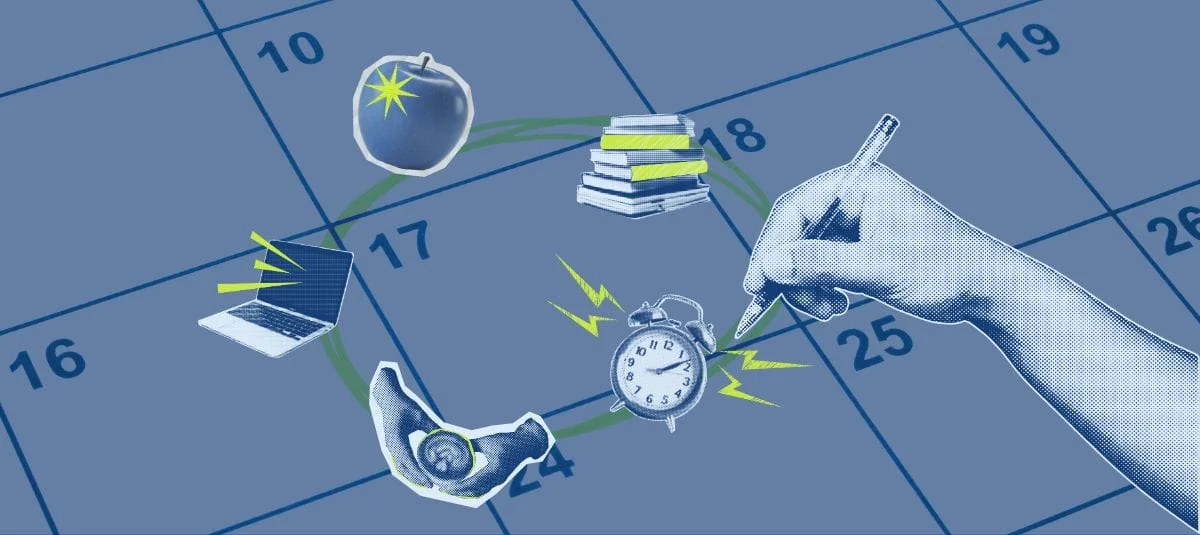
The 2026 academic year begins against a backdrop of complex emotional landscapes. For many students, the transition from the carefree autonomy of summer to the rigid structure of the school year is jarring. The trade-off—exchanging days by the water for hours in a classroom and late-night social gatherings for stress-induced early mornings—creates a fertile ground for "adjustment disorder" and general overwhelm.
Mental health experts note that the "back-to-school blues" are no longer just a temporary phase of sadness but are often symptomatic of deeper systemic pressures. Students today face a trifecta of challenges:

- Academic Rigor: Increased competition for higher education and professional placement.
- Social Dynamics: The complexities of navigating peer relationships in both physical and digital spaces.
- Environmental Stress: A world characterized by rapid technological change and shifting social safety nets.
Active Minds, a leading national nonprofit dedicated to promoting mental health for young adults, emphasizes that recognizing these signs early is critical. Common indicators of struggle include persistent irritability, withdrawal from previously enjoyed activities, changes in sleep patterns, and a sense of hopelessness regarding the upcoming semester.
Chronology: From Advocacy to Action
To understand the current state of student mental health in August 2026, one must look back at the legislative and social milestones of the past year.
May 2026: Advocacy on Capitol Hill
The momentum for the current school year began in early May, during Mental Health Awareness Month. Five prominent youth leaders—Ayaan Moledina, Amy Senkerik, Naomi Hines, Michael Landu, and Carson Domey—descended on Washington D.C. to brief House of Representative staffers. Their mission was to champion the Campus Lifeline Act, a bill authored by Active Minds to mandate the inclusion of the 988 Suicide & Crisis Lifeline on all newly issued student ID cards.
July 2026: The 988 Policy Shift
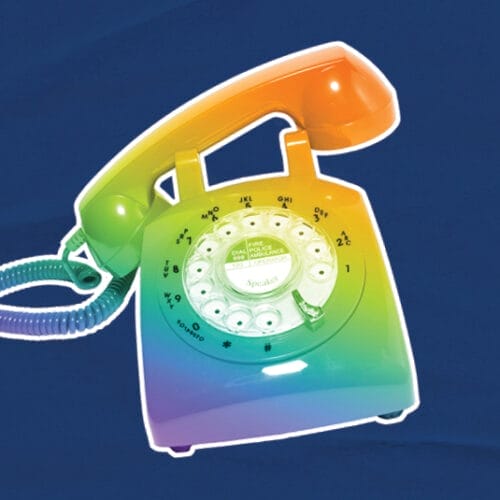
The landscape of crisis intervention shifted dramatically in mid-July when federal policy changes resulted in the discontinuation of the "press 3" option on the 988 Lifeline—a dedicated portal for LGBTQ+ youth. This move, which followed three years of operation and over 1.5 million successful interventions, created a vacuum in specialized care that organizations like The Trevor Project have had to fill.
August 2026: The Return to Campus
As students return to campuses this month, they are entering an environment where the "Campus Lifeline Act" is still being debated in many jurisdictions, and where the responsibility for mental health support is increasingly falling on peer-to-peer networks and student-led organizations.
Supporting Data: The Power of Peer Intervention
The efficacy of student well-being often rests on the strength of the community. Data from Active Minds’ 500+ national chapters suggests that students are more likely to seek help when the initial point of contact is a peer rather than a clinical professional.
To streamline this peer-to-peer support, Active Minds has promoted the A.S.K. (Acknowledge, Support, Keep-In-Touch) framework. This evidence-based approach is designed to de-stigmatize the conversation around mental health through three simple steps:
- Acknowledge: Research shows that simply naming a struggle and providing a non-judgmental presence can lower immediate distress levels.
- Support: Validation is the cornerstone of support. By asking, "How would you best feel supported by me?"—whether through a shared meal or a quiet study session—peers can provide tailored care that clinicians often cannot.
- Keep-In-Touch: Mental health recovery is non-linear. Regular check-ins, such as a scheduled weekly coffee, provide the consistency necessary for long-term stability during the volatile transition of a new semester.
Furthermore, the scale of the need is staggering. The Trevor Project reported helping nearly 500,000 LGBTQ+ young people in the last year alone. With the removal of specialized federal lines, the burden on independent nonprofits has increased by an estimated 20-30%, necessitating a more robust "ground game" on college and high school campuses.
Official Responses: Leaders Speak Out
The response from organizational leaders and youth advocates has been one of resilient defiance against funding cuts and policy shifts.
Jaymes Black, CEO of The Trevor Project, issued a poignant reminder to students following the 988 changes: "Generic support isn’t enough. When you’re struggling, you need someone who understands your experience and doesn’t make you explain or defend your identity. I want every LGBTQ+ young person to know that you are worthy, you are loved, and you belong—despite this heartbreaking news."

On the legislative front, youth advocates are emphasizing that policy cannot be made in a vacuum. Ayaan Moledina, a 17-year-old advocate from Texas, told legislators: "You can’t make effective mental health policy for young people without young people. Students are the ones closest to the problem."
Similarly, Amy Senkerik, a student at Arizona State University, argued for the simplicity of the Campus Lifeline Act: "Putting 988 on student IDs isn’t a complicated solution. They don’t have to google anything; the option is right in front of them. Clear, immediate, and accessible."
Implications: A Call for Systemic and Social Change
The start of the 2026 school year serves as a litmus test for the "community-care" model of mental health. The implications of current trends suggest several necessary shifts in how society approaches the academic calendar:
1. The Normalization of Help-Seeking
The transition from "crisis management" to "proactive wellness" requires a cultural shift. Schools are being urged to move beyond "Mental Health Days" and toward integrating psychological well-being into the curriculum itself. This includes redefining physical education to include mental health standards, a move championed by advocate Carson Domey.
2. Filling the Specialized Care Gap
With federal specialized lines facing cuts, the reliance on organizations like The Trevor Project and Active Minds will only grow. This necessitates increased private funding and the expansion of campus-based chapters that can provide "safe spaces" for marginalized identities.
3. Legislative Accountability
The push for the Campus Lifeline Act represents a growing demand for "low-friction" resources. If the bill passes into federal law, it would represent one of the most significant expansions of student safety resources in a generation, ensuring that no student is more than a glance at their ID card away from professional help.
4. The Rise of the "Student Advocate"
Perhaps the most significant implication is the professionalization of student advocacy. Young leaders like Naomi Hines and Michael Landu are proving that lived experience with conditions like Major Depressive Disorder (MDD) is a qualification, not a hindrance, for leadership. Their work ensures that the "bustle" of back-to-school season includes not just recruitment for sports or Greek life, but for mental health advocacy.
Conclusion: Building the Community of the Future
As the 2026 academic year gathers momentum, the message from the mental health community is clear: change is daunting, but it does not have to be isolating. By utilizing tools like the A.S.K. program and engaging with the 500+ Active Minds chapters nationwide, students are transforming their campuses from high-pressure environments into supportive communities.
The air may be getting crisper and the nights may be getting shorter, but for the modern student, the path forward is illuminated by the collective strength of their peers. The "back-to-school" season is no longer just about the books—it is about the brave, necessary work of showing up for one another.
Are you or a friend struggling with the transition back to school?
- The Trevor Project: Text START to 678-678 or call 866-488-7386 (24/7).
- 988 Suicide & Crisis Lifeline: Call or text 988 (24/7).
- Active Minds: Visit activeminds.org to find a chapter on your campus or start your own.