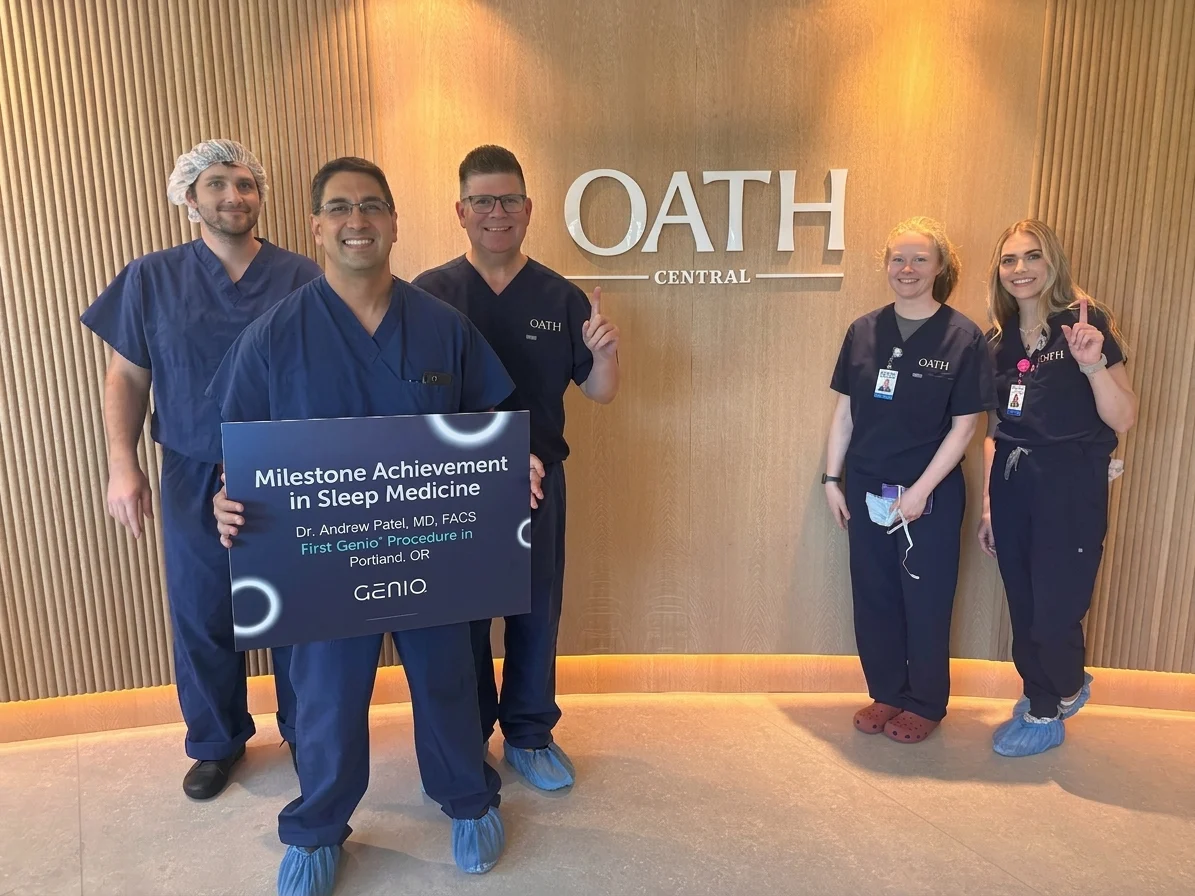
In a significant advancement for sleep medicine in the Pacific Northwest, Oath Surgical—a Portland-based, AI-native ambulatory surgery center—has officially performed the region’s first bilateral hypoglossal nerve stimulation (HGNS) implant procedure in an outpatient environment. This milestone marks a departure from traditional, hospital-based surgical care for obstructive sleep apnea (OSA), signaling a shift toward more accessible, technology-driven patient outcomes.
The procedure, which utilized the FDA-approved Genio system by Nyxoah, was led by Dr. Andrew Patel, a head and neck surgeon at Oath Surgical’s downtown Portland facility. By successfully performing this high-acuity surgery outside of a traditional hospital, the team has not only expanded the range of options available to Oregonians but has also set a new benchmark for how complex sleep apnea treatments can be delivered.
The Clinical Breakthrough: Understanding Bilateral HGNS
Obstructive Sleep Apnea is a chronic, often debilitating condition characterized by recurrent pauses in breathing during sleep. For decades, the gold standard for treatment has been Continuous Positive Airway Pressure (CPAP) therapy. However, patient compliance remains a persistent hurdle; many individuals find CPAP masks uncomfortable, loud, or claustrophobic, leading to high abandonment rates.
Until recently, surgical alternatives were often invasive or required long-term hospital stays. The introduction of the Genio system represents a technological leap forward. Unlike previous iterations of nerve stimulation, which often required batteries and more extensive surgical manipulation, the Genio system is designed as a single-incision, battery-free neurostimulator.
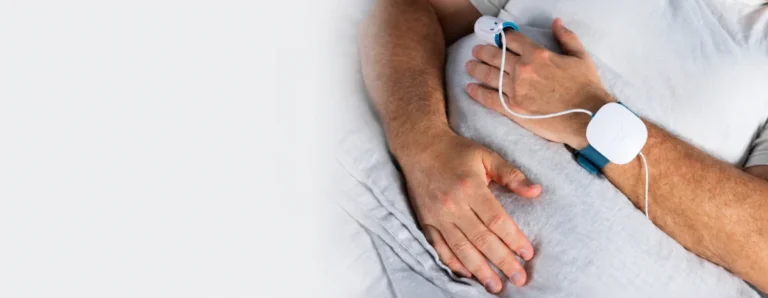
The device works by providing bilateral stimulation to the hypoglossal nerve—the nerve responsible for controlling the muscles of the tongue. By stimulating both sides of the nerve, the device restores natural airway control, preventing the tongue from collapsing and obstructing the throat during sleep. Its full 3T MRI compatibility and lack of an internal battery mean that patients face fewer long-term medical complications and maintenance requirements, making it a compelling alternative for those who have exhausted conservative treatment options.
Chronology of a Medical Milestone
The achievement at Oath Surgical did not happen in a vacuum. It was the result of months of clinical preparation, integration of proprietary software, and a strategic focus on redefining the surgical "journey."
- Pre-Operative Preparation: Dr. Andrew Patel and his team identified a critical gap in the Pacific Northwest’s sleep medicine infrastructure. Patients suffering from moderate-to-severe OSA were frequently forced to travel long distances to access specialized surgical interventions.
- The Integration of OathOS: Central to the success of this procedure was the deployment of OathOS, the surgical center’s proprietary clinical intelligence platform. This system was used to streamline every facet of the patient’s experience, from the initial referral and patient screening to scheduling and the precise mapping of the surgical environment.
- The Procedure: The surgery itself was conducted under outpatient conditions. Dr. Patel utilized the single-incision approach required by the Genio system, ensuring a safer, faster recovery process for the patient.
- Post-Operative Monitoring: Following the procedure, the OathOS system continued to facilitate long-term follow-up and outcomes tracking, ensuring that the patient’s progress is monitored with data-driven precision rather than traditional, fragmented clinical notes.
Supporting Data: Why Outpatient Care Matters
The shift toward outpatient surgical centers (ASCs) for advanced neurostimulation is supported by a growing body of data suggesting that "higher acuity" procedures can be performed safely in specialized, non-hospital settings.
The primary benefits of performing HGNS in an ambulatory setting include:
- Reduced Infection Risk: Hospital environments are inherently high-traffic areas with a higher risk of hospital-acquired infections. Ambulatory centers like Oath Surgical are designed for specific, elective procedures, creating a more controlled, sterile environment.
- Operational Efficiency: By utilizing AI-native systems like OathOS, the facility reduces administrative overhead and maximizes the time surgeons spend on patient care. This leads to shorter wait times for patients and a more efficient allocation of healthcare resources.
- Patient-Centric Recovery: Recovering in an outpatient setting is generally more comfortable for the patient. By eliminating the necessity of a hospital bed, the patient is able to return home to a familiar environment sooner, which is widely recognized as a factor in faster post-surgical recovery.
Perspectives from Leadership: A Shift in Strategy
The significance of this procedure extends beyond the individual patient. For Dr. Andrew Patel, the goal is to build a robust, sustainable program that centers on quality and long-term engagement.
"For too long, patients in Oregon who struggled with CPAP had limited options and often had to travel outside the region to explore surgical alternatives," Dr. Patel stated following the successful procedure. "This new procedure is a real step forward. It is bilateral, requires only a single incision, and has no implanted battery, which makes it an easier conversation to have with patients who have been hesitant about surgery."
Dr. Patel emphasized that the environment at Oath Surgical was a critical success factor. "Performing this first case at Oath gave us the right environment to do it well. My focus now is on building a consistent, high-quality program here that puts patient outcomes and long-term follow-up at the center."
Dr. Oliver Keown, founder and CEO of Oath Surgical, views this milestone as a proof-of-concept for the future of specialized medicine. "Bringing higher acuity care like this to Oregon is exactly the kind of milestone our platform was built to support," Dr. Keown noted. "Oath’s surgical centers are designed for advanced outpatient procedures, and Dr. Patel and the team have shown that bilateral HGNS therapy can be delivered safely and efficiently outside of a hospital setting. We think this is the beginning of a much broader shift in how sleep apnea care is accessed across the region."
Implications for the Future of Sleep Medicine
The implications of this development are threefold: clinical, geographical, and technological.
Clinical Implications
As sleep medicine evolves, the focus is shifting from "managing" symptoms to "treating" the underlying anatomical causes. By successfully deploying bilateral HGNS, Oath Surgical has proven that we are entering an era where sophisticated neurostimulation is a standard outpatient option. This will likely encourage more surgeons to adopt these techniques, potentially leading to a broader acceptance of implantable sleep apnea therapies among the medical community.
Geographical Implications
For the Pacific Northwest, this development acts as a catalyst for local healthcare autonomy. By providing a sophisticated alternative to CPAP within Portland, Oath Surgical is reducing the medical "brain drain" and the physical burden placed on patients who previously had to travel to major medical hubs on the East Coast or in California. This decentralization of specialized care is a win for regional health equity.
Technological Implications
The success of OathOS highlights the vital role that digital infrastructure plays in modern surgery. In an "AI-native" surgical center, data is not just stored; it is leveraged to enhance surgical precision and patient adherence. The ability to track a patient’s journey from the initial referral through years of device activation and post-operative monitoring creates a feedback loop that will undoubtedly lead to better long-term clinical outcomes.
Conclusion: A New Standard for Patient Access
As the healthcare industry continues to grapple with the demands of an aging population and an increasing prevalence of sleep disorders, facilities that combine advanced surgical techniques with digital efficiency will lead the way.
The successful implementation of bilateral HGNS therapy at Oath Surgical is more than just a successful operation; it is a blueprint for the future. By moving complex neurostimulation into the outpatient realm, the team in Portland has lowered the barrier to entry for life-changing therapy. For the thousands of residents in the Pacific Northwest currently struggling with the limitations of traditional CPAP therapy, this development offers a path to better sleep, better health, and a significantly improved quality of life.
Looking ahead, the success of this program will likely serve as a model for other surgical centers, proving that with the right combination of clinical expertise and technological support, the future of surgery is not only more efficient but also profoundly more accessible.