








Published September 13, 2026
For decades, the cultural perception of yoga has been tethered to the pursuit of flexibility and the cultivation of mindfulness. While these benefits remain foundational, a persistent question echoes through the fitness community: Can the ancient practice of yoga actually serve as a viable alternative to weightlifting for upper-body hypertrophy and strength?
The prevailing myth suggests that without external resistance—dumbbells, kettlebells, or barbells—the muscles of the arms, specifically the biceps, triceps, and deltoids, will remain stagnant. However, emerging research and anatomical analysis suggest that yoga is not merely a practice of elongation, but a sophisticated system of bodyweight resistance that can significantly increase muscular output.
The Science of Isometric Resistance
To understand how yoga builds strength, one must look past the "stretching" paradigm and toward the mechanics of isometric and eccentric loading. Unlike traditional gym movements that focus on concentric contractions (the shortening of a muscle), yoga relies heavily on isometric contractions—holding a position where the muscle length remains constant while under significant tension.
Recent studies have validated that this sustained tension, when paired with the complex, multi-planar movements found in sequences like the Sun Salutation, facilitates measurable increases in muscular strength. By utilizing one’s own body weight as the primary resistance, practitioners are effectively performing high-repetition, high-tension endurance training.
A Chronology of Evidence: How We Know It Works
The evolution of our understanding regarding yoga’s physical efficacy has followed a distinct trajectory over the last two decades.
- 2004 (Foundational Comparative Analysis): A seminal study published in Complementary Therapies in Medicine compared the physiological outcomes of Ashtanga yoga against traditional Hatha. While both cohorts displayed marked improvements in endurance, the high-intensity, "flow-heavy" nature of Ashtanga resulted in superior upper-body strength gains, highlighting that intensity and sequence structure are key variables.
- 2012 (The Sun Salutation Benchmark): Research highlighted in the Journal of Strength and Conditioning Research provided definitive evidence that daily practice of Surya Namaskar (Sun Salutations) led to significant increases in both peak force and endurance in the deltoids and triceps. This study demystified the idea that yoga was "too soft" to produce hypertrophy.
- 2025 (Neuromuscular Coordination): The most recent data suggests that yoga’s superiority may lie in "muscle synergy." Studies have indicated that yoga poses activate a wider range of auxiliary muscle groups—specifically the stabilizer muscles of the rotator cuff and serratus anterior—more effectively than linear gym exercises. This leads to improved neuromuscular coordination, which not only builds raw strength but creates a more stable, injury-resistant joint structure.
Supporting Data: Why "Bodyweight Only" Isn’t "Easy"
The skepticism surrounding yoga as a strength-building modality often stems from a misunderstanding of load. When a practitioner enters a pose like Chaturanga, they are supporting a significant percentage of their body weight through the arm complex.
Furthermore, the data indicates that yoga optimizes the quality of strength. Because the movements are compound, they require the brain to recruit multiple motor units simultaneously. This "whole-system" engagement means that a student isn’t just isolating the bicep; they are integrating the chest, shoulders, back, and forearms into a single, cohesive unit of power.
Professional Perspectives on Yoga-Based Strength
Expert trainers and biomechanics researchers have largely shifted their stance on the "yoga vs. iron" debate. The consensus is no longer about which is better, but rather how they differ in application.
"The beauty of yoga-based strengthening," notes Dr. Elena Vance, a specialist in sports kinesiology, "is the inherent focus on joint health. Traditional weightlifting can sometimes lead to hypertrophy at the expense of joint mobility. Yoga forces the arms to develop strength through the full range of motion, ensuring that as the muscle grows, the connective tissue remains supple and resilient."
Official responses from the fitness industry have begun to mirror this, with many high-end athletic training facilities incorporating "Yoga for Strength" modules to supplement traditional hypertrophy programs, recognizing that the neuromuscular control developed on the mat translates directly to improved performance in the weight room.
The Implications for Daily Practice
The primary implication of these findings is that every yoga practitioner, regardless of their goal, is building strength—provided they approach the practice with intention. The key differentiator is engagement.
When you move through a sequence, the difference between a "stretch" and a "strength-building exercise" is the active contraction of the muscles. By consciously engaging the triceps during a Downward Dog or bracing the shoulders in a Warrior 2, you transform a passive posture into a high-intensity training session. This shift in mindset allows for a dual-benefit: the mental clarity associated with yoga and the physical resilience usually reserved for the gym.
7 Underrated Arm Exercises Without Weights
To maximize the strength-building potential of your practice, it is essential to move beyond the standard repetitive motions. Challenging the body with novel, unfamiliar shapes forces the neuromuscular system to adapt, which is the cornerstone of progress.
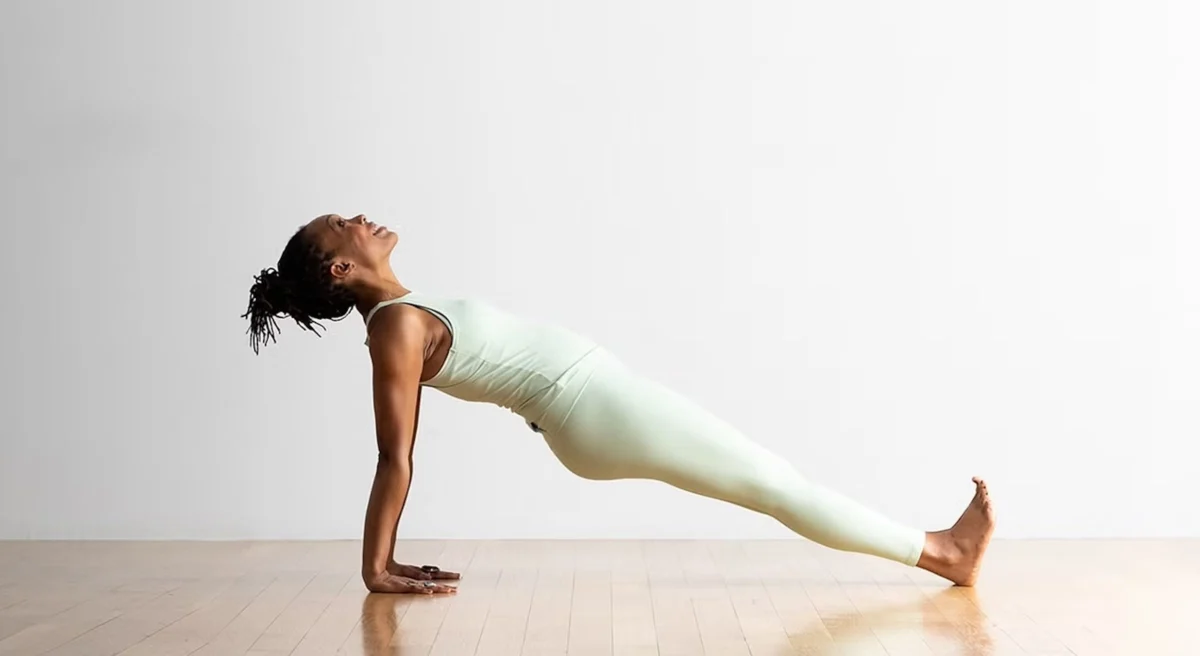
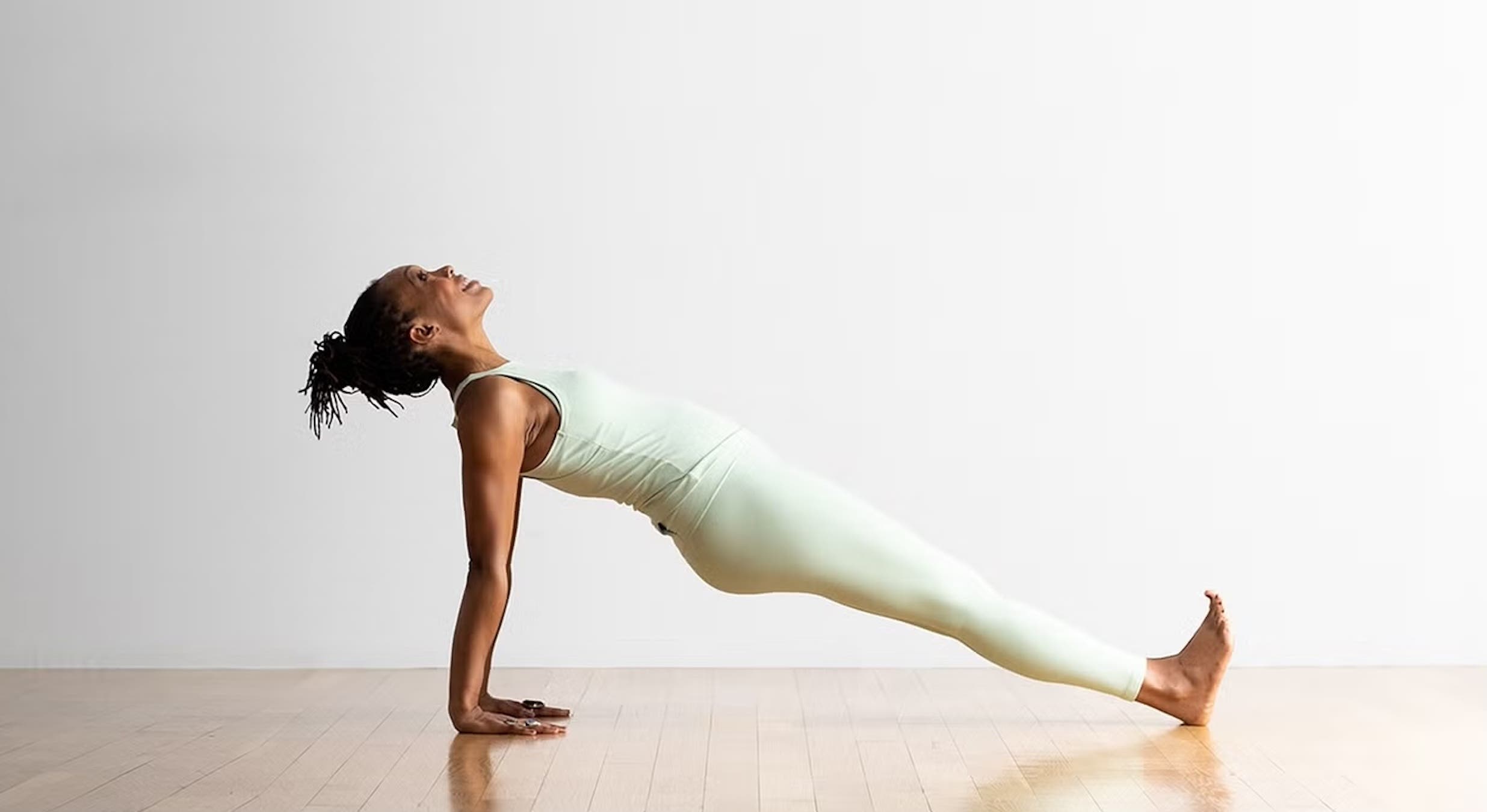
1. Reverse Plank (Purvottanasana)
Often ignored in favor of the standard Plank, the Reverse Plank is a powerhouse for the posterior chain. It targets the triceps, rear deltoids, and the complex muscles between the shoulder blades. By squeezing the glutes and maintaining a straight line, you force the arms to work against gravity in an unconventional direction, which recruits stabilizing muscles that are often neglected in standard push-up variations.
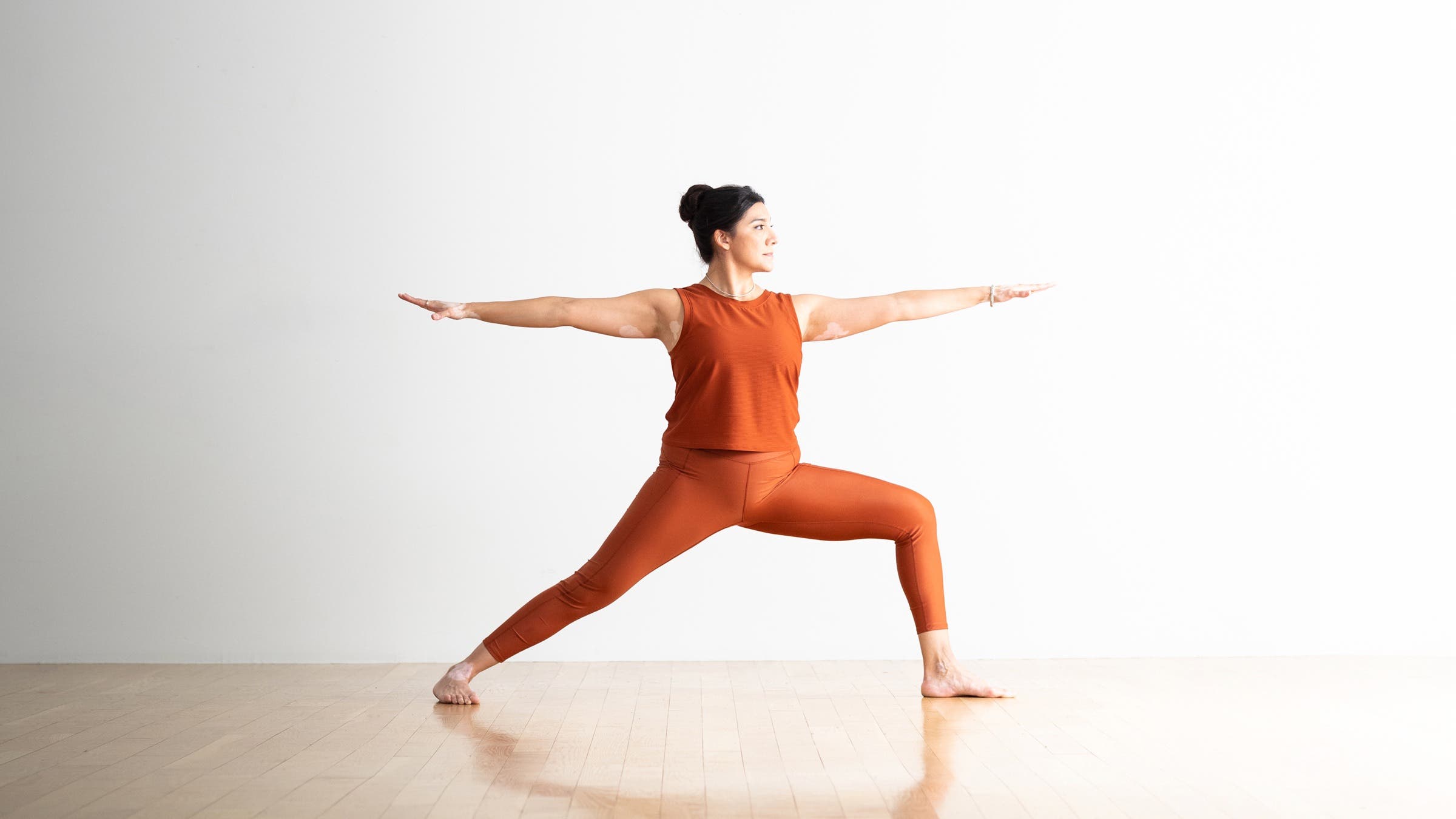
2. Warrior 2 (Virabhadrasana II)
Warrior 2 is the ultimate isometric endurance test. Holding the arms parallel to the floor for extended periods requires the deltoids to fire continuously to resist the downward pull of gravity. It is a "deceptive" strengthener—the lack of motion suggests ease, but the muscle fatigue felt after sixty seconds is proof of effective work.
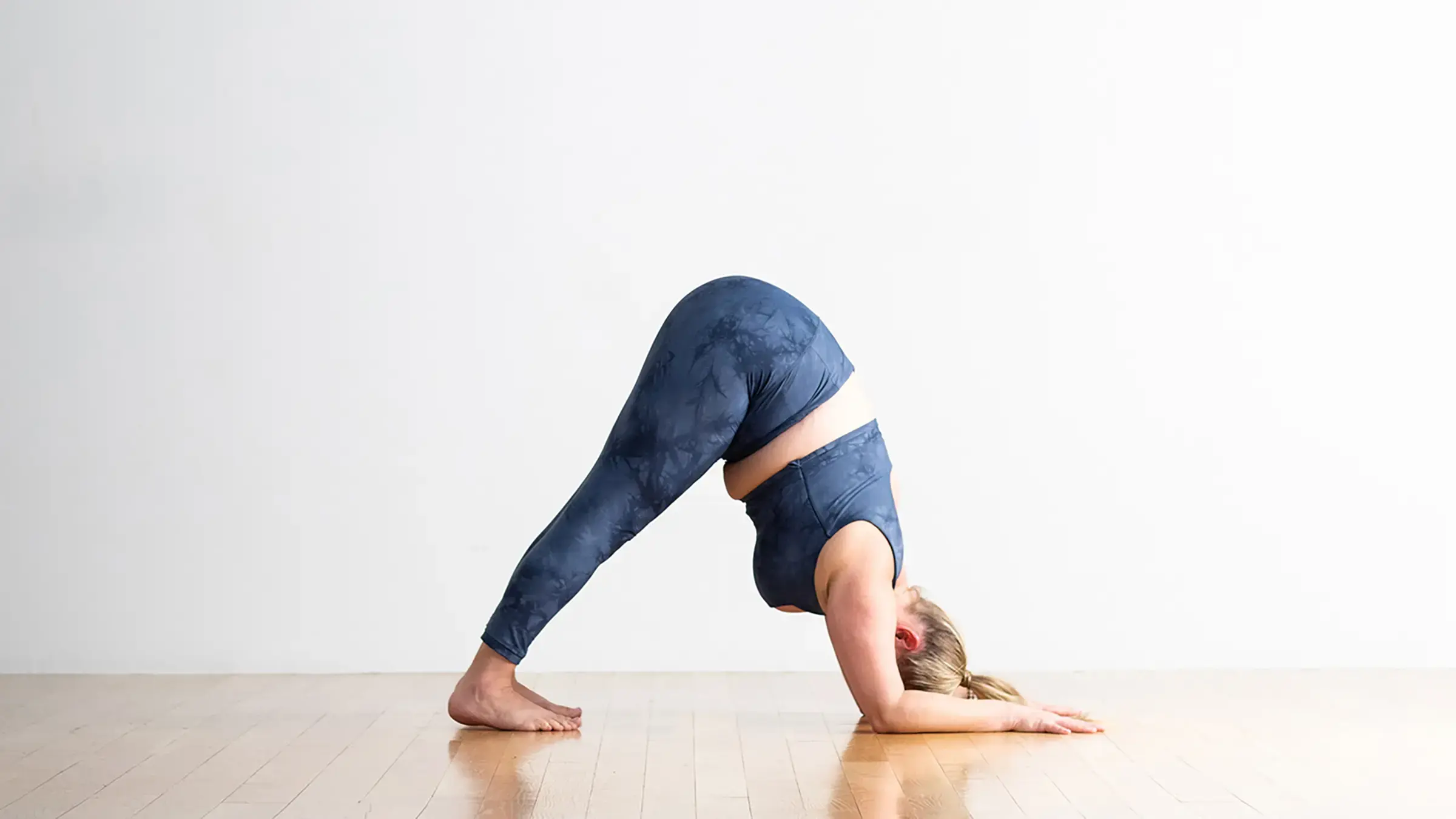
3. Dolphin Pose
For those with wrist sensitivities, Dolphin Pose is an essential alternative. By shifting the load from the palms to the forearms, you engage the trapezius and the entire shoulder girdle. It requires significant effort from the upper back to maintain the inverted V-shape, making it a superior choice for building functional shoulder stability.
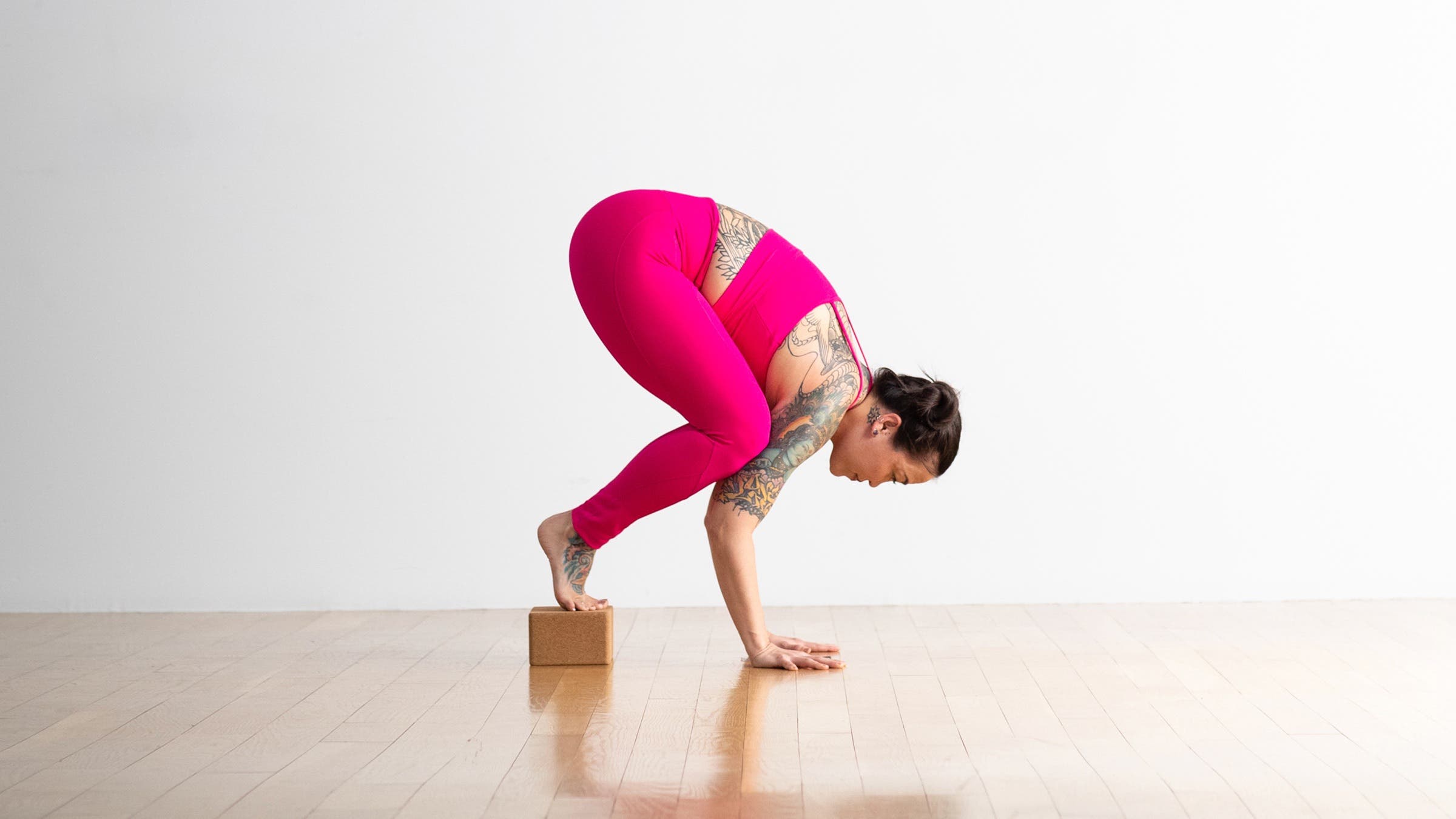
4. Crow Pose (Bakasana)
Crow is often viewed as a test of balance, but it is, in reality, a heavy-load shoulder and tricep exercise. The effort required to keep the body aloft through the strength of the arms alone is immense. For beginners, using a block under the toes can help you practice the "holding" aspect of the pose, allowing for increased time under tension without the fear of falling.
5. Locust Pose (Salabhasana)
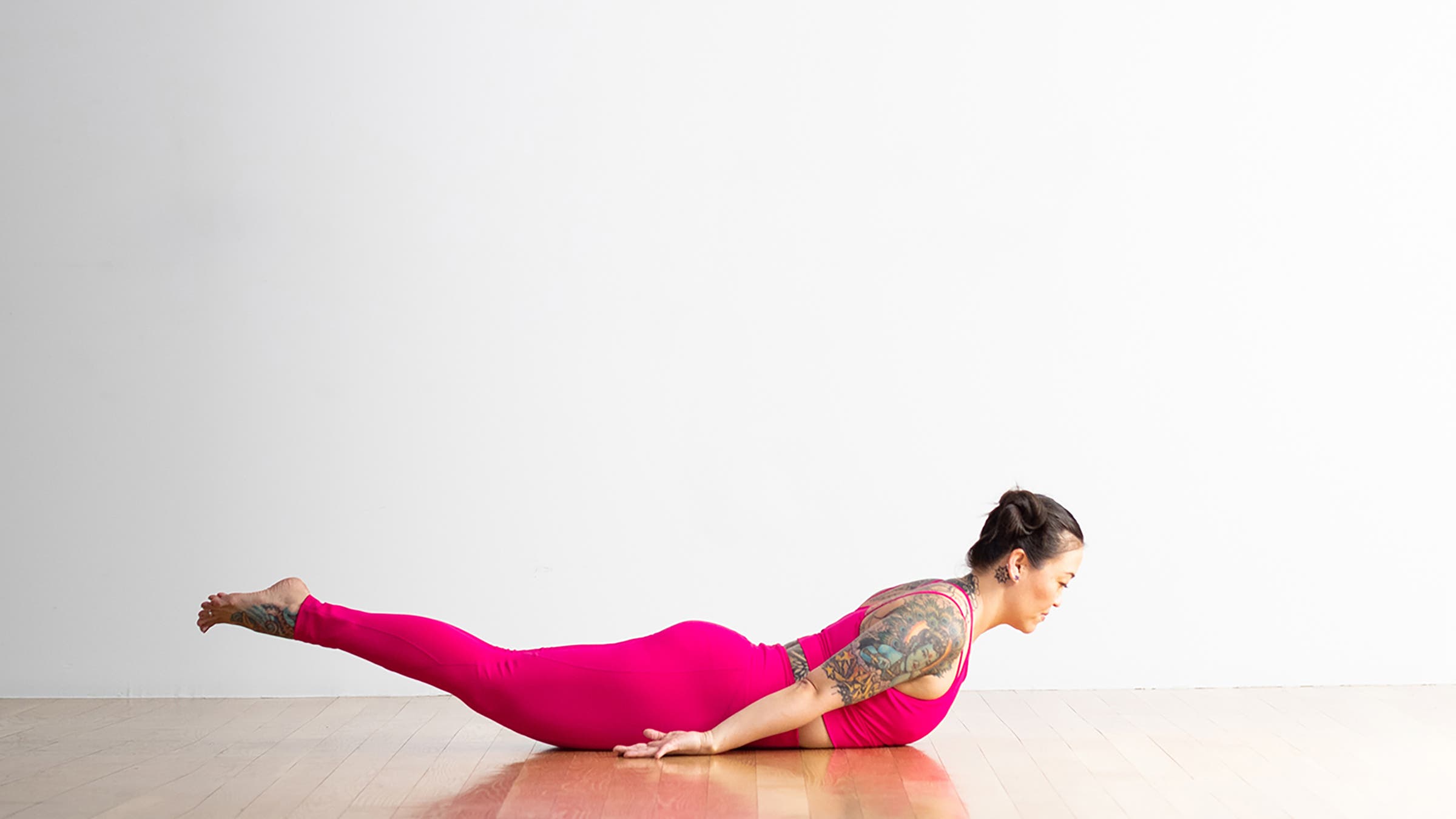
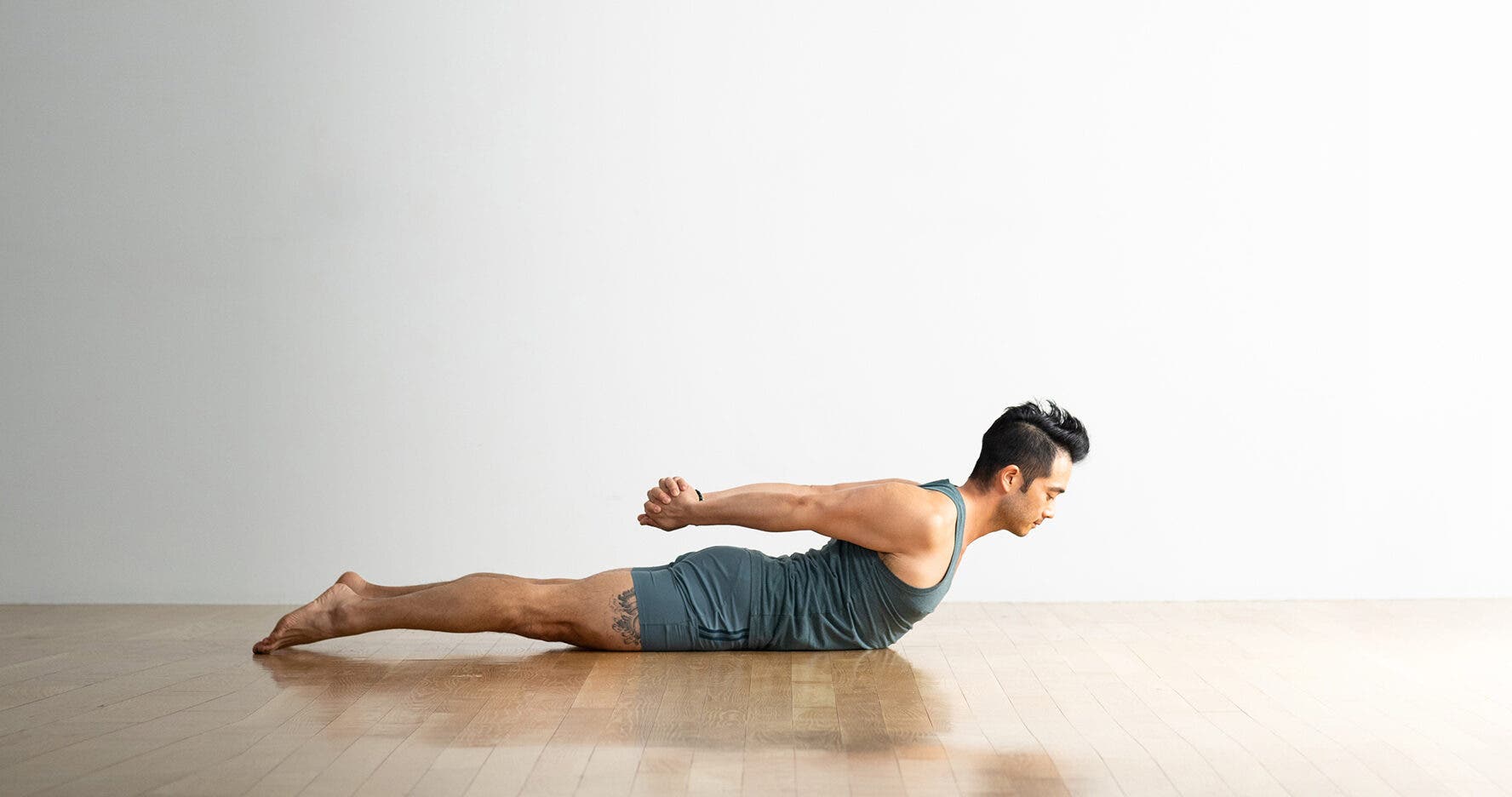
This backbend is a hidden gem for the back of the arms. By lifting the arms off the mat and reaching back, you force the triceps into a deep isometric squeeze. It is an excellent way to balance out the front-side strength built during push-up-heavy sequences.
6. Upward Tabletop
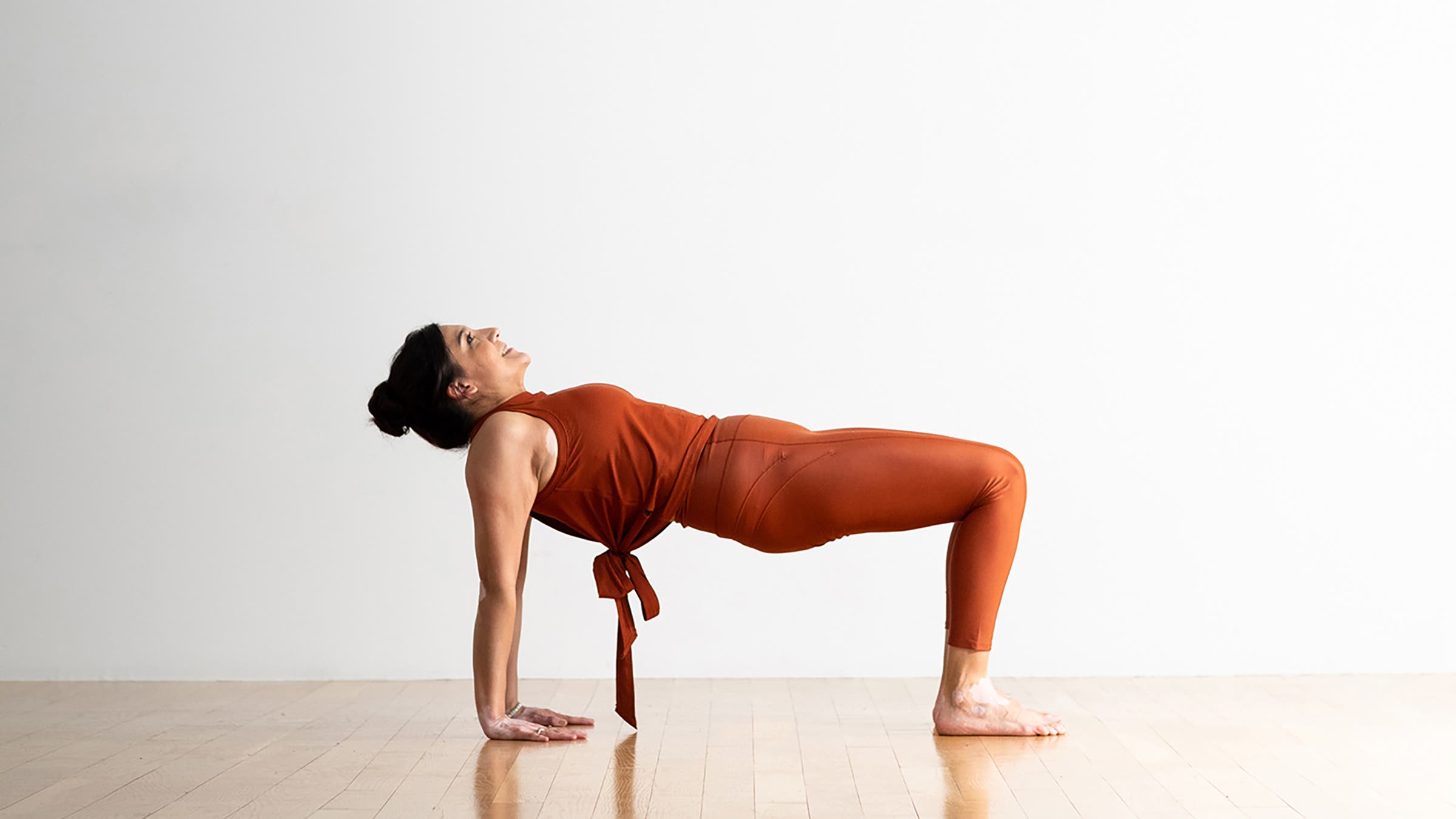
By bending the knees at 90 degrees while lifting the hips, you change the mechanical leverage of the shoulder. This slight shift targets the rear deltoids differently than a standard plank. It is a critical exercise for anyone looking to build a balanced, rounded shoulder appearance and functional overhead strength.
7. Puppy Pose (Uttana Shishosana)
Do not let the name fool you. While it can be a passive stretch, it becomes an intense strength exercise when you actively engage the upper arms and shoulders. By pushing into the mat and "resisting" the stretch, you create an isometric contraction that builds tone in the biceps and serratus anterior without ever placing a strain on the wrist joints.
Conclusion: Redefining Your Potential
The integration of strength training into yoga is not a modern fad; it is a rediscovery of the inherent potential of the practice. Whether you are seeking to replace your gym routine or simply want to add a layer of physical rigor to your flow, the mechanics of yoga offer a sophisticated, safe, and highly effective path to stronger arms. By moving with awareness and focusing on the isometric tension of every pose, you unlock a version of your practice that serves both your physical form and your mental clarity.