







In a significant advancement for obstructive sleep apnea (OSA) treatment, AcouFlow Therapeutics—a pioneering startup operating in strategic partnership with the University of Cincinnati—has secured a prestigious grant from the National Institutes of Health (NIH). This infusion of capital marks a critical inflection point for the development of the VortexPAP, an innovative device that leverages aerospace engineering principles to reimagine how sleep apnea is treated.
The funding is specifically earmarked for the engineering and development of a streamlined, user-friendly, at-home version of the device, effectively transitioning the technology from controlled clinical environments to the patient’s bedroom. By removing the traditional barriers associated with continuous positive airway pressure (CPAP) therapy, this development promises to revolutionize patient adherence and long-term health outcomes.
The Science of Silence: Redefining Airway Pressure
The core innovation of the VortexPAP lies in its departure from the conventional "brute force" approach of traditional CPAP machines. Standard CPAP therapy requires a mask to be hermetically sealed against the patient’s face, creating a pressurized column of air that forces the airway open. While effective, this mechanism is notoriously cumbersome, often leading to discomfort, skin irritation, and high rates of patient abandonment.
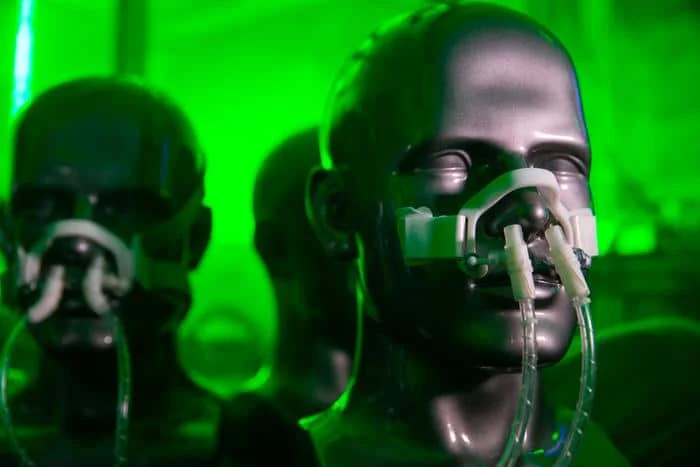
AcouFlow Therapeutics has taken a fundamentally different path. By utilizing "vortex airflow"—a flow control mechanism adapted from advanced aerospace engineering—the device creates a localized, pressurized environment in the upper airway without the necessity of a tight-fitting mask.
"The vortex phenomenon allows us to manage airflow in a way that provides the therapeutic pressure needed to keep the airway patent, but without the physical burden of a restrictive seal," says Liran Oren, PhD, a research associate professor in the Department of Otolaryngology, Head & Neck Surgery at the University of Cincinnati College of Medicine.
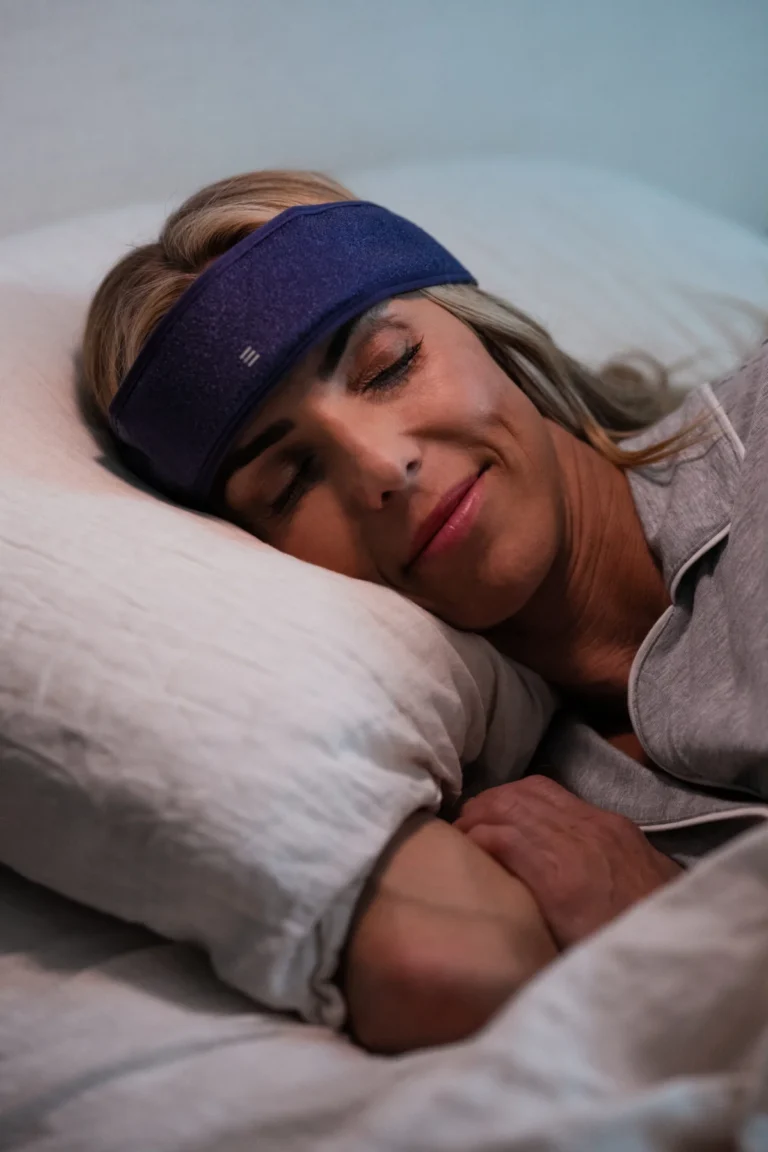
By eliminating the seal, the device significantly reduces the claustrophobic sensations that frequently cause patients to remove their masks mid-sleep. Furthermore, because the vortex mechanism is more efficient, the system can operate at lower overall pressures, which mitigates the common and uncomfortable side effect of aerophagia (air swallowing).
Chronology of Development: From Lab to Living Room
The journey of the VortexPAP is a testament to the power of interdisciplinary collaboration. The project began as a synthesis of aerospace fluid dynamics and sleep medicine, recognizing that the challenges of air pressure regulation in a jet engine have surprising parallels to the human airway.
- Initial Research and Proof of Concept: The initial research phase involved rigorous testing within the University of Cincinnati’s laboratories. Experts in aerospace and biomedical engineering worked to map the airflow patterns required to stabilize the human pharynx.
- Controlled Clinical Validation: Once the prototype reached sufficient maturity, the device moved into the clinical setting. Under the supervision of trained sleep technicians, patients underwent monitored overnight sleep studies. These studies were designed to validate that the VortexPAP could achieve the same physiological benefits as traditional CPAP without the discomfort of a standard mask.
- The NIH Milestone: With the recent award of the NIH grant, the project is officially moving into its next, most ambitious phase: the development of a commercial-grade, at-home interface. This involves miniaturizing the components, enhancing the user interface for non-medical personnel, and preparing for large-scale, real-world trials.
Supporting Data and The Adherence Crisis
The significance of this development cannot be overstated, particularly when viewed through the lens of the current "adherence crisis" in sleep medicine. Research consistently indicates that between 30% and 50% of patients prescribed traditional CPAP therapy fail to use it consistently. The reasons are well-documented: mask discomfort, noise, dryness, and the psychological impact of being tethered to a machine.
When patients do not adhere to their prescribed therapy, they remain at heightened risk for the comorbidities associated with untreated OSA, including:
- Cardiovascular Disease: The repeated cycles of hypoxia (low oxygen) and arousal place immense stress on the heart, increasing the risk of hypertension, stroke, and arrhythmias.
- Type 2 Diabetes: OSA is strongly linked to insulin resistance and metabolic dysfunction.
- Cognitive Decline: Poor sleep quality leads to chronic fatigue, impaired concentration, and a reduction in long-term cognitive health.
The VortexPAP addresses these risks by lowering the barrier to entry. If a patient finds the device comfortable and unobtrusive, the likelihood of sustained, nightly use increases dramatically. The data gathered from upcoming real-world trials will be instrumental in quantifying exactly how much this "seal-less" design improves overall sleep efficiency and patient quality of life.
Official Perspectives: The Path Forward
The transition from a clinical prototype to a home-use device is being guided by a multi-disciplinary team. The collaboration between the University of Cincinnati’s academic research wing and AcouFlow Therapeutics represents a model for modern medical device innovation.
"It’s an important milestone toward our next goal," Dr. Oren noted in a recent statement. "Testing the VortexPAP with many people, at multiple locations, and over a longer period of time is essential to demonstrate how well it works in everyday life. We aren’t just looking for clinical success; we are looking for real-world reliability."
The involvement of the NIH underscores the potential public health impact of the project. By fostering this research, the NIH is signaling that the next generation of sleep apnea treatment must prioritize the user experience as much as it prioritizes technical efficacy.
Broader Implications for the Future of Sleep Medicine
The development of the VortexPAP arrives at a time when the field of sleep medicine is ripe for disruption. As telemedicine and at-home monitoring become the standard of care, devices that require clinical oversight for simple operation are increasingly viewed as outdated.
A Shift Toward Patient-Centric Design
The shift toward an at-home version of the VortexPAP reflects a broader trend in medical technology: "patient-centricity." By removing the need for a seal, the developers are essentially removing the "clinical" feel of the therapy. This has profound implications for how patients perceive their own health management. When a device feels like an accessory rather than a medical burden, patients are more likely to integrate it into their nighttime routine without the stigma or anxiety associated with traditional respiratory equipment.
Economic and Healthcare System Impact
If successful, the VortexPAP could significantly reduce the long-term healthcare costs associated with sleep apnea. By improving adherence, the medical community can prevent the progression of secondary conditions that cost the healthcare system billions of dollars annually. Furthermore, by reducing the reliance on supervised overnight sleep studies for the long-term monitoring of the device, the overall cost of treatment could be lowered, making effective therapy more accessible to a broader demographic.
The Integration of Aerospace Engineering
Perhaps the most intriguing aspect of this story is the crossover of technology. The use of aerospace engineering to solve a physiological problem opens the door for a new wave of innovation. As engineers and medical professionals continue to collaborate, we may see more "non-traditional" approaches to chronic disease management—using fluid dynamics, material science, and advanced sensors to solve problems that were previously addressed with mechanical, high-pressure solutions.
Conclusion: A New Era of Respiratory Support
The NIH funding for AcouFlow Therapeutics and the University of Cincinnati serves as a catalyst for a potential paradigm shift in the treatment of obstructive sleep apnea. While the VortexPAP is still in its developmental trajectory, the move toward an at-home, seal-less interface addresses the primary complaints that have plagued CPAP therapy for decades.
As the team prepares for the next phase of expanded real-world testing, the medical community will be watching closely. If the VortexPAP can demonstrate that its unique vortex airflow mechanism can deliver consistent, reliable, and comfortable therapy in the home environment, it will not only provide relief for millions of sleep apnea sufferers but will also set a new standard for how medical devices are designed and deployed in the 21st century.
The path from the laboratory to the home is rarely straightforward, but with the support of federal funding and a commitment to interdisciplinary innovation, the future of sleep apnea therapy looks significantly more comfortable—and far less restrictive—than it has ever been.