For millions of Americans, the journey toward recovery from alcohol use disorder (AUD) is a grueling, non-linear path marked by the persistent specter of relapse. While societal initiatives like "Dry January" highlight the immediate physiological benefits of sobriety, addiction researchers have long suspected that the act of abstinence itself may inadvertently prime the brain for a return to harmful drinking. A groundbreaking study in neurobiology has now identified a specific "neural alarm" in the brain that may explain why some individuals find it nearly impossible to maintain sobriety, potentially shifting the future of addiction treatment from broad behavioral therapy to precision medicine.
The Hidden Paradox of Abstinence
The conventional wisdom surrounding alcohol recovery is rooted in the concept of abstinence. By removing the stimulus—alcohol—the body is theoretically allowed to heal. However, the biological reality is far more complex. Recent research published in Neuron and Molecular Psychiatry suggests that forced abstinence creates a period of intense neurobiological vulnerability.
To investigate this, a research team utilized a mouse model to simulate the cycle of heavy drinking followed by forced withdrawal. The findings were stark: a specific subset of mice developed what researchers term "aversion-resistant alcohol intake." Even when the alcohol was laced with quinine to make it repulsive, these mice continued to consume it, often in greater quantities than those who had not undergone forced abstinence. This behavior indicates that the abstinence period did not dampen the desire for alcohol; rather, it intensified the drive to consume it, even in the face of negative consequences.
Chronology of a Relapse: From Withdrawal to Neural Overdrive
The research reveals a clear chronological progression in how the brain reacts to the cessation of alcohol.
- The Intake Phase: The mice were given long-term, voluntary access to alcohol, establishing a baseline of consumption.
- The Forced Abstinence Phase: Alcohol was removed, forcing the brain to adapt to a sudden absence of the substance it had grown dependent on.
- The Cue-Reentry Phase: When the mice were reintroduced to the environment where alcohol was previously available, they immediately began searching for the substance. Notably, they attempted to drink even when presented with plain water, signaling a state of "anticipatory craving."
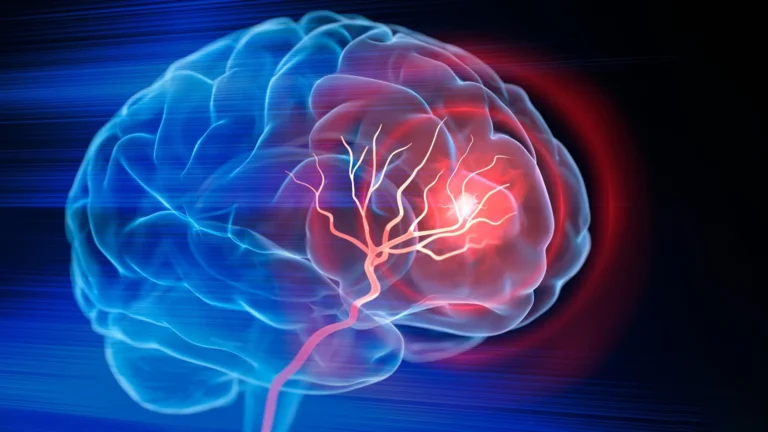
- The Neural Activation: Using advanced monitoring, researchers mapped this behavior to a specific brain structure: the bed nucleus of the stria terminalis (BNST). This region, often referred to as the brain’s "anxiety hub," is a critical junction for regulating emotional responses to stress and reward.
The results showed that mice who had undergone forced abstinence exhibited more than double the neuronal activity in the BNST compared to the control group. Even more significant was the observation that this spike in activity occurred before the mice even had access to the alcohol, suggesting that the BNST is hardwired to predict and prepare for the reward, essentially driving the compulsion to relapse.
Supporting Data: The Scale of the Alcohol Crisis
The urgency of this research cannot be overstated. Alcohol misuse remains one of the most pervasive and under-addressed public health crises in the United States. While the public often views alcohol as a social lubricant, the clinical reality is that it is a potent, addictive substance with a mortality rate that has eclipsed that of the opioid crisis.
- Mortality Gap: In 2024, deaths associated with alcohol use were estimated to be 4.5 times higher than those attributed to opioids.
- Widespread Impact: More than 80% of Americans aged 12 and older will consume alcohol at some point in their lives. Of that group, approximately 10%—nearly 30 million people—will develop an alcohol use disorder.
- The Treatment Gap: Despite the existence of FDA-approved medications, the number of individuals diagnosed with AUD has effectively doubled in the U.S. since 1999.
The data highlights a massive disparity between the prevalence of the disease and the efficacy of current treatment models. Current approaches rely heavily on abstinence-based programs, which, as the recent study suggests, may not be addressing the underlying neurobiological triggers that drive individuals back to the bottle.
Implications for Clinical Practice and Future Therapy
The implications of these findings are profound for the future of clinical addiction treatment. If the BNST serves as a predictive biomarker for relapse, it could revolutionize how physicians screen patients in recovery.
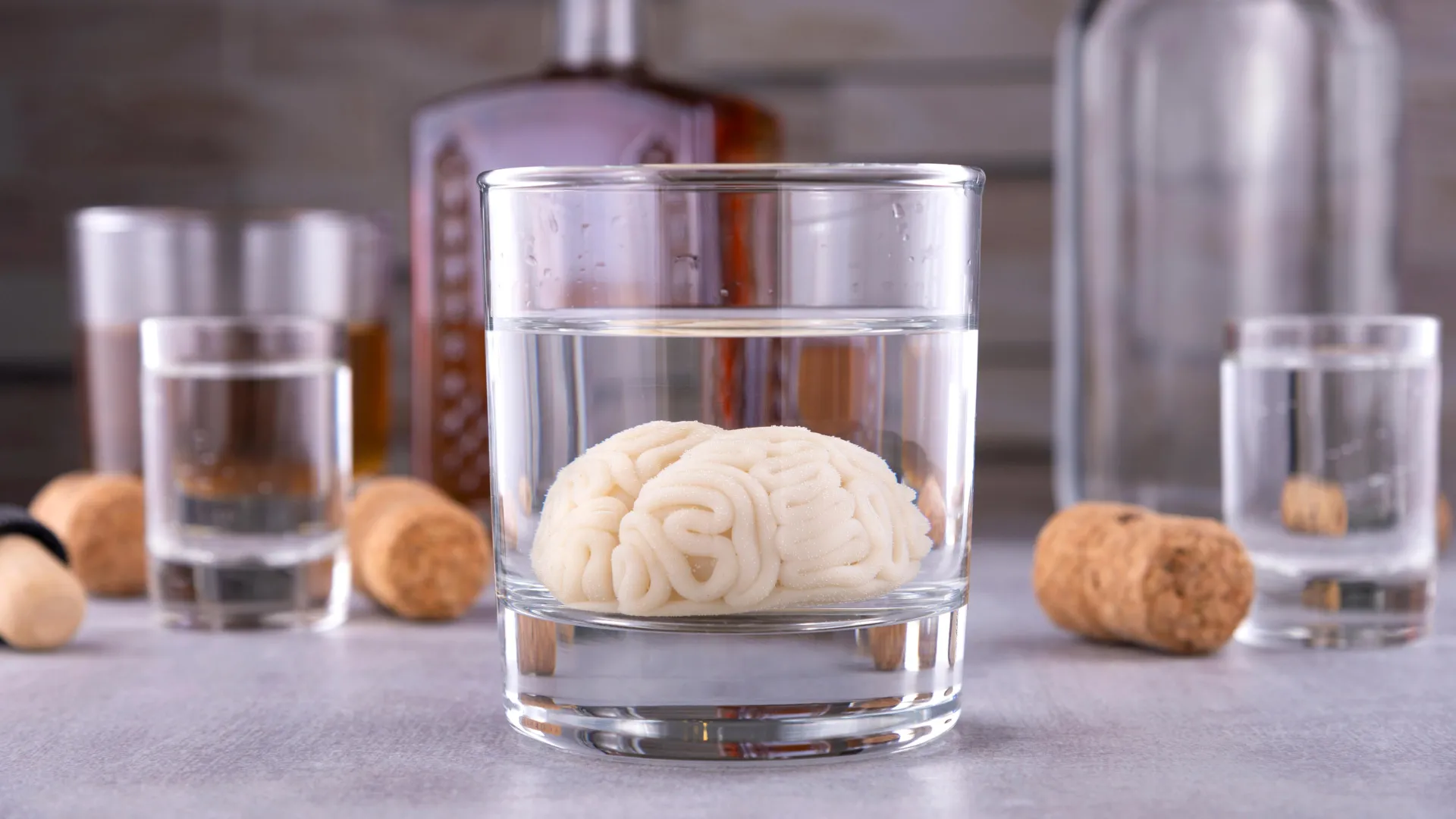
The Potential for "Neural Screening"
Currently, clinicians are ill-equipped to predict which patients are at the highest risk of relapse. By utilizing neuroimaging or future biomarker tests to monitor BNST activity, medical professionals might be able to identify "at-risk" individuals during their initial stages of sobriety. This would allow for more aggressive, personalized medical interventions—such as targeted pharmacology or neuro-stimulation—before a relapse occurs.
Redefining Harm Reduction
While harm reduction is a cornerstone of treatment for opioid use disorder, it has been slower to gain traction in the treatment of alcoholism. The findings from this study support a shift in perspective: if the brain is biologically "primed" for relapse due to the stresses of abstinence, then treatment protocols must account for this physiological strain. Rather than expecting patients to white-knuckle their way through sobriety, clinicians could use this data to develop protocols that stabilize the BNST during the most vulnerable windows of the recovery process.
What Still Remains Unknown: The Path Forward
While the role of the BNST is becoming clearer, many questions remain unanswered. Scientists have yet to determine which specific sub-populations of neurons within the BNST are responsible for the increased "aversion-resistant" behavior. Furthermore, it is not yet known exactly what chemical or structural changes drive this hyperactivity in the aftermath of abstinence.
The next steps for the research community are already underway. Neuroscientists are utilizing new tools that allow them to manipulate the activity of specific neurons in real-time, essentially "turning off" the drive for alcohol in the brains of mice. If these experiments successfully prevent the mice from seeking alcohol, they will provide a roadmap for human clinical trials.
The Translation to Human Patients
Dr. Jennifer Blackford and her team are currently spearheading the translation of these findings into human clinical settings. By investigating BNST activity in patients who are in the early stages of abstinence, the team hopes to replicate the mouse-model findings. If human brains show a similar hyper-activation of the BNST prior to relapse, the development of a diagnostic screening tool will become the primary focus of the next decade of addiction medicine.
Conclusion: A New Paradigm for Recovery
The struggle with alcohol use disorder is often characterized by a profound sense of personal failure. However, the evidence emerging from the study of the BNST suggests that relapse is not merely a failure of willpower; it is a predictable, biologically-driven response to the trauma of withdrawal.
By mapping the neural landscape of addiction, researchers are moving closer to a world where recovery is not a game of chance, but a scientifically managed process. For the 30 million Americans currently grappling with alcohol use disorder, this shift from "behavioral judgment" to "biological understanding" offers the most tangible hope yet for lasting sobriety. As the scientific community continues to peel back the layers of the brain’s response to abstinence, the prospect of identifying, treating, and ultimately preventing relapse becomes an achievable reality rather than a distant dream.