







As the decades pass, the midsection often becomes a focal point of physical change. Whether due to the natural progression of hormonal shifts, the aftermath of weight loss, or the gradual loss of muscle mass, many individuals over the age of 60 find themselves grappling with a "belly overhang" or a softening of the abdominal region. While the aesthetic concerns are common, the health implications of a weakened midsection are far more significant.
Strengthening the core is not merely about achieving a toned appearance; it is a fundamental pillar of longevity, mobility, and independence. By integrating targeted, at-home movements into your daily routine, you can fortify your body against injury and maintain the functional strength necessary for an active, vibrant lifestyle well into your golden years.
The Physiology of the Midsection: Why Changes Occur
Excess belly fat and core weakness are not inevitable, but they are common byproducts of the aging process. Several physiological factors converge to impact the midsection as we navigate our 40s, 50s, and beyond.
Muscle Loss and Skin Elasticity
Sarcopenia, the age-related loss of muscle mass, affects the entire body, including the deep stabilizers of the core. Simultaneously, the skin loses elasticity, making it harder for the midsection to "snap back" after fluctuations in weight or pregnancy.
The Hormonal Shift
During midlife, hormonal changes—specifically shifts in estrogen and testosterone—alter how the body distributes fat. Often, this leads to an increase in visceral fat around the organs, which can contribute to a protruding appearance that is resistant to traditional diet-and-exercise protocols.
The Consequences of Inactivity
When deep core muscles—specifically the transverse abdominis—become underutilized, they lose their activation capacity. Research suggests that by age 50, sedentary individuals may lose up to 40% of the activation capacity of these vital stabilizing muscles. This creates a cycle where the midsection becomes less supportive, leading to postural decline and increased strain on the lumbar spine.
Why the Core is the Body’s Structural Anchor
To understand the necessity of core training, one must view the core not as a set of "six-pack" muscles, but as the body’s primary stabilization hub.
"The core is the body’s structural anchor," explains Meera Watts, founder and CEO of Siddhi Yoga. "When the core becomes weak, mundane activities such as lifting a bag or getting up from a chair become visible struggles. Weak deep core musculature is directly proportionate to a three-fold increase in lower back injury rates in older adults, which is one of the main causes of elders losing independence much faster than anticipated."
Beyond back pain, a weak core compromises balance. The muscles of the midsection, along with the glutes and lower back, form a kinetic chain that dictates how we walk, climb stairs, and react to unexpected shifts in terrain. Strengthening these areas is the most effective way to mitigate fall risks, which are a leading cause of hospitalization for seniors.
Moving Beyond Crunches: A New Approach to Training
For decades, the fitness industry touted crunches and sit-ups as the gold standard for abdominal training. However, modern kinesiology has shifted the focus toward functional movement. Traditional crunches often place excessive strain on the cervical spine and the lower back while failing to engage the deep stabilizers that actually support posture.
Erik Pride, a personal trainer at Pride Fitness, emphasizes a more nuanced approach. "The exercises I selected train the deeper muscles that support better posture, balance, and movement quality while being easier on the joints than many traditional ab exercises," Pride notes.
The goal for those over 65 is not to "burn out" the abdominals, but to train them to function as a cohesive, supportive unit. Below are five expert-recommended exercises designed to achieve this.
5 Essential Home Exercises for a Stronger Core
1. The Dead Bug: Activating the Deep Stabilizers
The Dead Bug is a foundational movement that teaches the body to move the limbs while keeping the spine in a neutral, protected position. It specifically targets the transverse abdominis, the deepest layer of abdominal muscle.
- Why it works: It forces the core to work against gravity without putting pressure on the neck or lower back. By restoring the activation capacity of the transverse abdominis, you create a "natural corset" that protects the spine.
- Execution Tip: Focus on pressing your lower back into the floor throughout the entire movement. If your back arches, you have lost the engagement of your core.
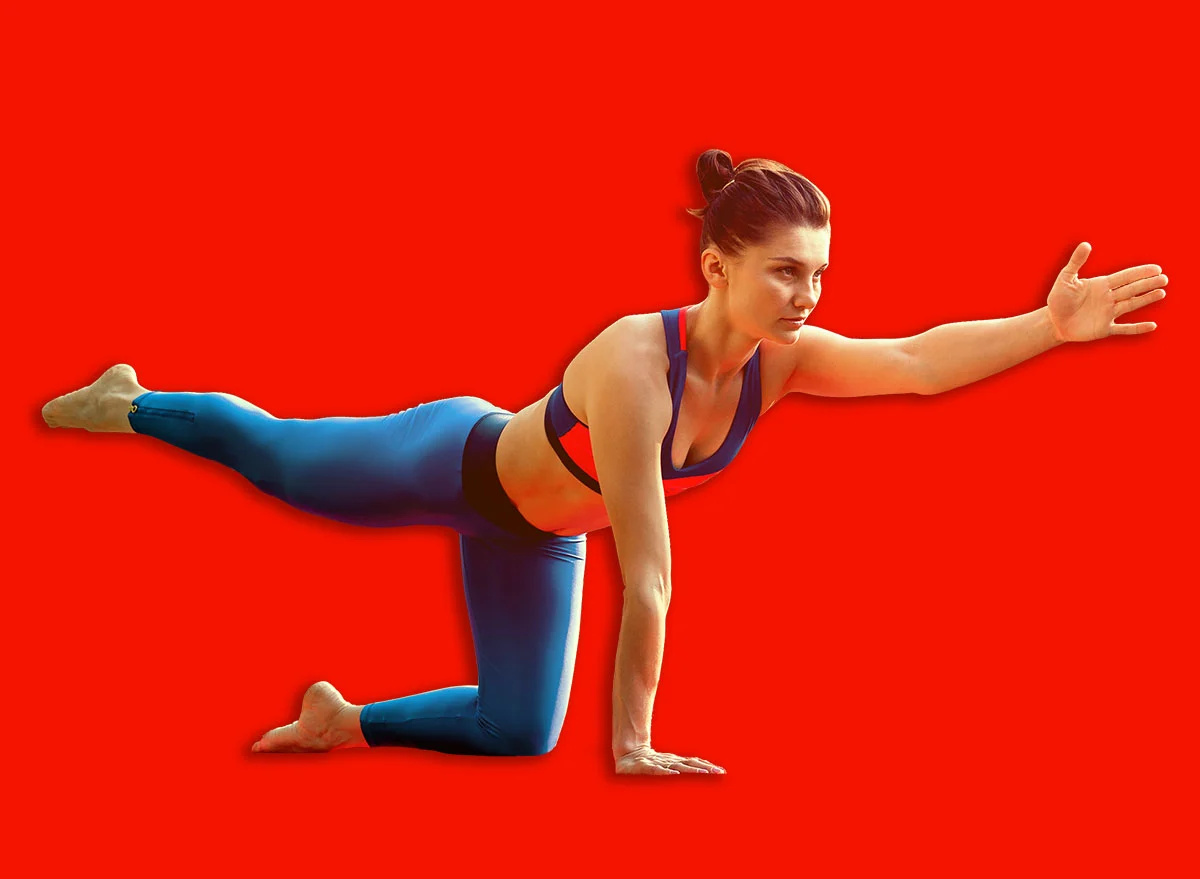
2. The Bird-Dog: Enhancing Balance and Stability
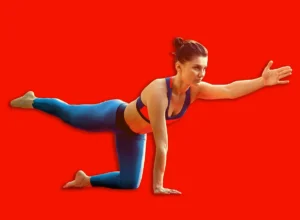
The Bird-Dog is a contralateral movement, meaning it requires opposite arm and opposite leg extension. This challenges the brain’s coordination centers while strengthening the erector spinae (lower back) and the glute medius.
- Why it works: "This is one of my favorite morning movements for this age group," says Watts. "It trains the erector spinae and the glute medius at the same time, and these two muscles are responsible for maintaining good balance and becoming less of a fall risk after 50."
- Execution Tip: Imagine you are balancing a glass of water on your lower back. Do not allow your hips to tilt or rotate as you extend your limbs.
3. Modified Copenhagen Side Plank
While standard planks are effective, the Modified Copenhagen Side Plank introduces a lateral challenge that targets the obliques and hip adductors.
- Why it works: Strong adductors (inner thigh muscles) improve pelvic stability. Because the pelvis is the base upon which the spine sits, stabilizing the pelvis is essential for efficient walking, climbing stairs, and reducing the stress placed on the knee joints.
- Execution Tip: Start by placing your top knee on a bench or chair, keeping your bottom leg on the floor. Lift your hips to create a straight line from your shoulder to your knee.
4. Half-Kneeling Pallof Press
The Pallof Press is the premier exercise for "anti-rotation." In real life, we rarely move in a perfectly linear, forward-backward motion. We twist, reach, and carry items.
- Why it works: Using a resistance band, this movement teaches the core to resist external forces trying to rotate the torso. It is a functional masterpiece for protecting the spine during everyday activities like carrying groceries or lifting a grandchild.
- Execution Tip: Keep your core tight and your chest square to the front. The goal is to keep the resistance band from pulling your hands toward the anchor point.
5. Bear Plank Shoulder Taps
The Bear Plank is a step up from the standard plank. By elevating the knees just an inch off the ground, you significantly increase the load on the core.
- Why it works: "Every shoulder tap forces your trunk to resist rotation, improving stability while protecting the lower back," says Pride. By reducing your base of support, you force the deep abdominal muscles to work overtime to maintain your position.
- Execution Tip: Keep your back flat like a table. Avoid letting your hips sway side-to-side when you tap your opposite shoulder.
Implications for Long-Term Health
The journey to a stronger midsection is a marathon, not a sprint. Consistency in these five movements—performed even just 15 to 20 minutes a day—can result in measurable improvements in daily movement quality within a few weeks.
Integrating Movement into Daily Life
To see results, these exercises should be viewed as "maintenance" for the body, similar to brushing your teeth.
- Consistency: Aim for 3–4 sessions per week.
- Mindfulness: As Meera Watts suggests, "Going deep on two exercises beats skimming across six any day." Focus on the quality of the contraction rather than the quantity of repetitions.
- Nutrition: While exercise builds the muscle, nutrition supports the reduction of body fat. Prioritizing protein intake and fiber-rich, whole foods will complement the efforts of your core training.
Reclaiming Independence
The ultimate implication of this training is the preservation of independence. When the core is strong, the body moves with grace and stability. The fear of falling—a common psychological barrier for those over 65—diminishes as the body becomes more capable of recovering its balance.
By shifting the focus from "getting a flat stomach" to "building a functional, resilient core," you aren’t just changing the way you look in the mirror; you are actively investing in your ability to remain mobile, active, and independent for years to come. Start slow, listen to your body, and embrace the process of becoming stronger from the inside out.