









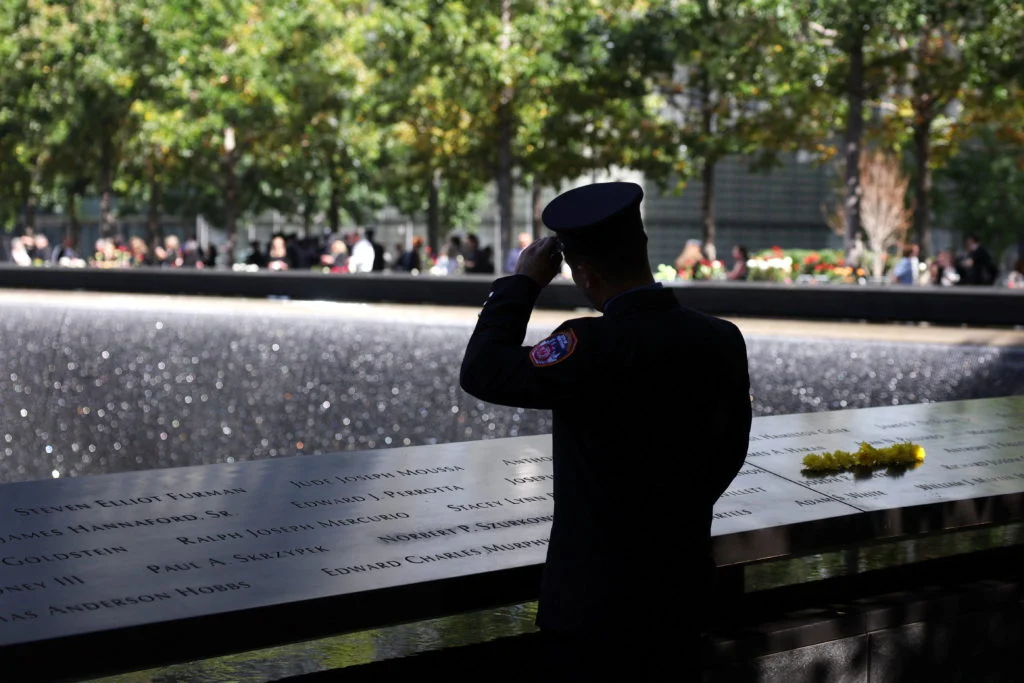
Twenty-five years after the collapse of the World Trade Center, the "Ground Zero" generation of first responders continues to confront a battlefield that has shifted from the physical rubble of Lower Manhattan to the private, internal landscape of their own minds and biology. For those who rushed into the smoke on September 11, 2001, the passage of a quarter-century has not erased the visceral sensations of that day: the suffocating dust, the omnipresent scent of destruction, and the relentless, crushing urgency of rescue.
However, emerging research suggests that the legacy of these events—and similar catastrophes worldwide—extends far beyond the immediate psychological toll of post-traumatic stress disorder (PTSD). New medical evidence indicates a sinister intersection between trauma and toxic environmental exposure, which may be actively accelerating the biological aging of the human brain.
The Lingering Echoes of Disaster
For the hundreds of first responders who have shared their experiences with occupational health experts, the memories of 9/11 remain frozen in time. They describe a state of sensory overload where the ability to process anything beyond the task at hand—digging, pulling, and searching for survivors—was completely suppressed. The expectation of finding life amidst the ruin drove them to exhaustion, yet the physical reality was a landscape of death.
While 9/11 stands as a unique historical inflection point, the physician-researchers who study these heroes emphasize that the patterns of trauma are universal. Whether it is the firefighters in the wake of the 2026 earthquakes in Venezuela, Colombia, and Indonesia, or the rescue teams responding to the catastrophic flash floods in Nepal, the profile of the first responder is consistent: they are the frontline of humanity’s resilience. Yet, this resilience is not an infinite resource. The combination of intimate exposure to human remains, toxic atmospheric conditions, and the intense pressure of emergency operations creates a physiological and neurological "perfect storm."
Chronology of a Silent Crisis
The trajectory of the health crisis facing 9/11 responders provides a sobering roadmap for disaster management.
- 2001 (The Immediate Aftermath): Responders were exposed to a complex cocktail of pulverized concrete, asbestos, lead, jet fuel, and other carcinogens. Psychological trauma was acute, characterized by the initial shock of the attacks.
- 2005–2010 (The Latency Period): As initial adrenaline faded, medical professionals began documenting rising rates of respiratory illness, chronic obstructive pulmonary disease, and early-onset mental health disorders.
- 2014–2022 (Cognitive Monitoring): A landmark study tracked over 5,000 World Trade Center responders who were initially dementia-free. Over this eight-year period, 228 individuals developed dementia before reaching the age of 65—a statistically significant alarm bell for the medical community.
- 2025 (The Biological Link): Cutting-edge MRI research and AI-driven modeling revealed that the brains of responders with PTSD appeared, on average, three years older than their chronological age. Furthermore, researchers identified an increase in beta-amyloid proteins—a hallmark of Alzheimer’s disease—in those with high levels of environmental and psychological exposure.
Supporting Data: The Science of Accelerated Aging
The intersection of PTSD and neurodegeneration is a field of study that has moved from speculation to rigorous data-backed reality. According to established epidemiological data, approximately 23% of World Trade Center responders have been diagnosed with PTSD, nearly four times the rate found in the general U.S. population (6%).
The mechanism behind this accelerated aging is twofold:
- Environmental Toxicity: Exposure to neurotoxic dust at Ground Zero has been correlated with a higher incidence of cognitive decline. Those who worked for extended periods without adequate personal protective equipment (PPE) demonstrated the most severe structural brain changes.
- Psychological Wear: PTSD is not merely a mood disorder; it is a systemic condition. The chronic activation of the stress response system—the "fight or flight" mechanism—floods the brain with cortisol and other inflammatory markers that, over decades, degrade neural integrity.
In a 2025 study, researchers utilized an AI model trained on over 11,500 brain scans of healthy individuals. When applied to 9/11 responders, the model revealed that for every additional month spent working at Ground Zero, the subject’s brain appeared to age by an additional four to five months. This "biological age gap" provides a quantitative metric for what many responders have long felt anecdotally: that the events of 2001 stole years from their cognitive futures.
Official Responses and Medical Advocacy
The medical community has responded by calling for a more holistic approach to long-term care for first responders. Occupational health experts argue that the traditional separation between "mental health" and "physical health" is a false dichotomy in the context of disaster recovery.
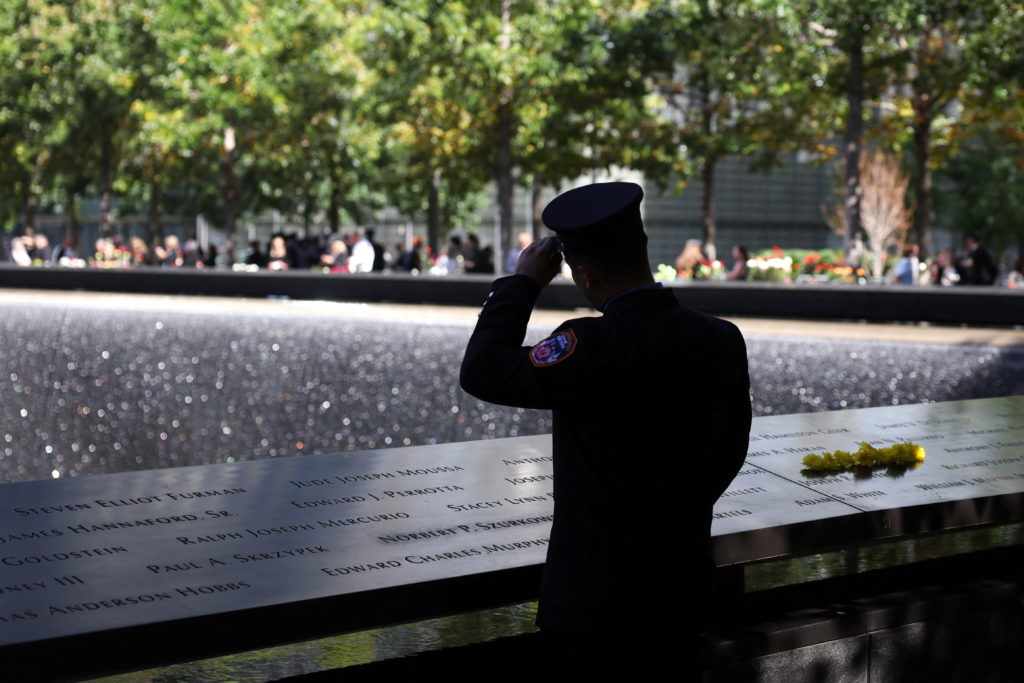
Organizations tasked with monitoring the health of these individuals have increasingly focused on "coordinated care." This model integrates neurology, psychiatry, and pulmonary medicine to address the reality that physical illnesses, such as respiratory distress, often exacerbate cognitive difficulties, and vice versa.
Official reports from health agencies have emphasized that training and PPE are insufficient if they do not account for the long-term psychological "loading" that occurs during an event. There is a growing consensus among public health officials that the "legacy of service" must include lifetime medical surveillance, not just for the immediate physical risks like cancer or lung damage, but for the slow-moving, often hidden, decline of cognitive function.
Implications for Future Disaster Preparedness
The implications of these findings are profound. As the world faces an era of increased climate-driven disasters, including wildfires, floods, and earthquakes, the pool of first responders is expanding. The "Ground Zero" data serves as a warning for current and future emergency personnel.
1. Re-evaluating PPE
Protection can no longer be viewed merely as masks or protective suits. It must also encompass mental health prophylaxis, such as mandatory debriefing sessions, real-time stress-reduction interventions during deployments, and long-term longitudinal health tracking for anyone involved in large-scale rescue operations.
2. Redefining "Service-Related Injury"
Legislative bodies and workers’ compensation boards must update their definitions of injury. If brain aging can be scientifically linked to the duration and intensity of exposure during a disaster, then cognitive decline and early-onset dementia must be classified as service-connected disabilities, ensuring that these individuals have access to the care they require in their later years.
3. Societal Responsibility
The physician-researchers involved in these studies often conclude with a moral appeal: the health of a society is reflected in how it treats those who bear the burden of its darkest moments. These responders were there for the public when the world seemed to be ending; it is a fundamental obligation for the public to ensure they are supported when their own personal worlds begin to fade.
Conclusion: A Legacy of Solidarity
The anniversary of 9/11 is more than a day of commemoration; for the first responders, it is a reminder of a struggle that continues in the quiet of their homes and the corridors of clinics. While the science of accelerated brain aging presents a sobering reality, it also offers a path forward. By acknowledging the biological reality of trauma, we can develop better treatments, more effective protective measures, and a more robust social safety net.
These first responders remain a living testament to human solidarity. Their sacrifice was not just a one-time act of bravery; it was a profound commitment that has lasted for twenty-five years. Protecting their future is not merely an act of charity—it is an essential duty of a society that values the people who run toward the fire when everyone else is running away.