










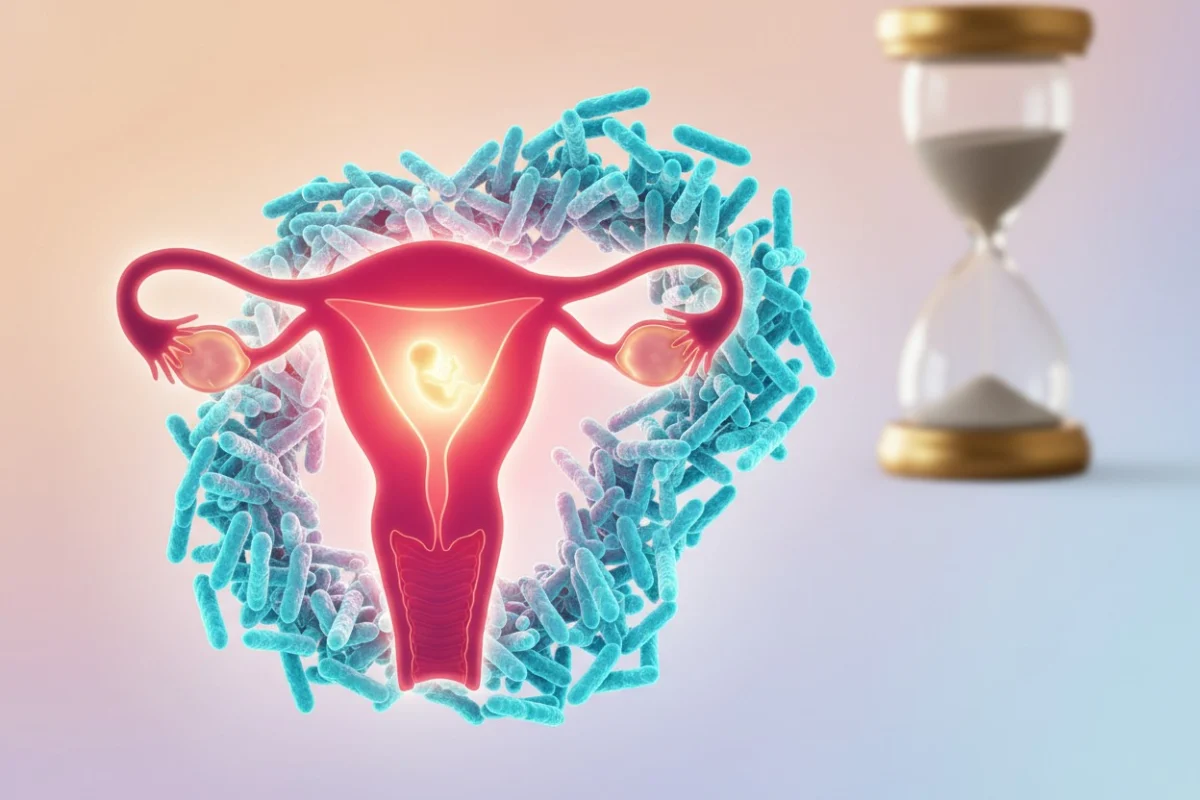
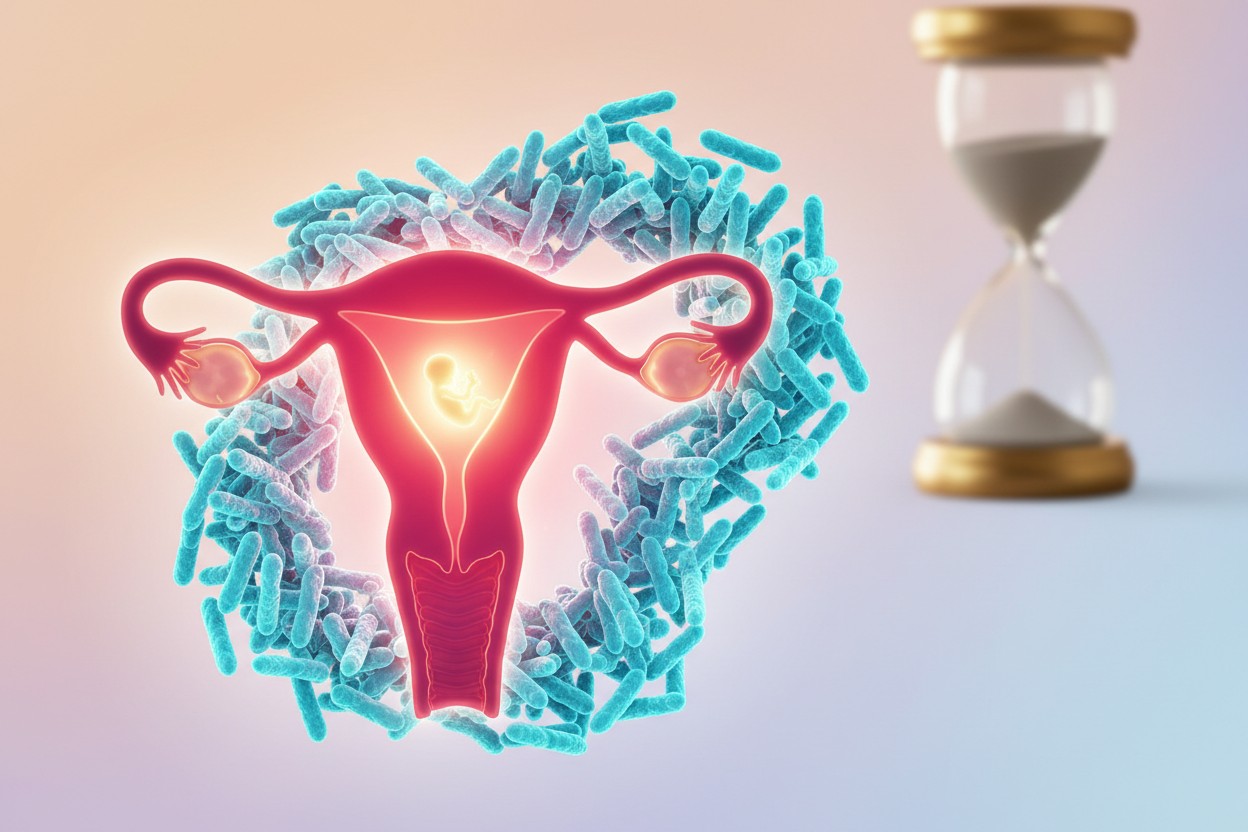
For decades, the discourse surrounding human fertility has been dominated by the biological clock of the ovaries. The medical community and patients alike have focused heavily on egg quality, ovarian reserve, and chronological age as the primary determinants of reproductive success. However, a landmark study published in the journal Cell Host & Microbe is shifting the scientific lens away from the egg and toward the "soil" in which the embryo must take root: the endometrium.
New research suggests that the microbial ecosystem of the uterine lining—specifically the abundance of Lactobacillus bacteria—plays a pivotal role in determining pregnancy outcomes. By examining the interplay between bacteria, cellular aging, and implantation success, researchers are uncovering a new, dynamic variable that may help explain why fertility fluctuates independently of age-related declines in egg quality.
The Microbiome as a Fertility Factor
The study, which analyzed endometrial samples from 149 women aged 20 to 45, found that the uterine environment is not a sterile space, but a bustling microbial community. While the overall composition of this microbiome remains relatively stable throughout a woman’s reproductive years, the population of Lactobacillus species follows a distinct downward trajectory as a woman ages, peaking in those under the age of 30.
The researchers tracked the participants for one year, documenting 93 embryo transfers. Among the cohort, 56 women achieved a clinical pregnancy. When the data were analyzed, a clear pattern emerged: women who successfully conceived harbored significantly higher levels of Lactobacillus in their endometrium compared to those who did not.
This finding is transformative because it suggests that the uterine environment provides a diagnostic signal that goes beyond chronological age. While age remains a critical factor in fertility, the microbial composition of the endometrium appears to act as an independent variable, potentially explaining why some women struggle with implantation despite having healthy embryos, while others find success in the face of advanced maternal age.
A Chronological Breakdown of the Study
The investigation was structured to isolate the variables of age and microbial health to determine how they influence reproductive success.
- Initial Enrollment and Classification: Researchers divided the 149 participants into three distinct age brackets: under 30, 30 to 35, and over 35.
- Microbiome Profiling: Using advanced sequencing, the team mapped the endometrial bacterial communities. They discovered that while the total diversity of the microbiome did not shift drastically, the specific decline of Lactobacillus was a consistent marker of increasing age.
- The Pregnancy Correlation: Throughout the one-year follow-up, the team observed that while pregnancy rates were not statistically different across the three age groups, the presence of Lactobacillus consistently correlated with positive outcomes regardless of the participant’s age.
- Laboratory Analysis of L. gasseri: Following the initial observational study, researchers turned their attention to Lactobacillus gasseri. In vitro testing revealed that this strain possesses potent antioxidant and anti-inflammatory properties, suggesting that its presence may protect the endometrium from the cellular stress that typically accompanies aging.
Supporting Data: The Role of Postbiotics
One of the most compelling aspects of the research is the focus on "postbiotics"—beneficial substances produced by bacteria rather than the live bacteria themselves. The study identified a specific exopolysaccharide (EPS) produced by L. gasseri.
In experimental models using both human endometrial cells and older mice, the application of this EPS compound yielded remarkable results. It effectively reduced markers of oxidative stress and cellular aging. In the murine models, treated subjects showed significantly improved embryo implantation rates. This suggests that the bacteria themselves act as microscopic "factories," releasing metabolites that alter the uterine environment to be more receptive to pregnancy.
This discovery links the reproductive system to a broader, emerging field of biology: the study of microbial metabolites. Much like the gut microbiome influences systemic health through the production of short-chain fatty acids and other compounds, the uterine microbiome appears to modulate the health of the reproductive tissue through its own unique chemical output.
Implications for Future Clinical Practice
The study has sent ripples through the fertility community, prompting a re-evaluation of how doctors approach patients who have faced "unexplained" implantation failure.
Moving Beyond the "Egg Quality" Narrative
Historically, when IVF failed, clinicians looked toward the oocyte. This research suggests that even if an embryo is genetically normal, it may fail to implant if the endometrium is not primed correctly. By focusing on the uterine environment, clinicians may eventually develop non-invasive screenings to assess the microbial health of the lining before a transfer, potentially increasing the odds of success.
The Cautionary Tale: Why "Self-Treatment" is Premature
Despite the excitement surrounding these findings, the authors of the study have issued a stern warning: do not attempt to self-medicate with over-the-counter Lactobacillus supplements.
"We are at the beginning of this journey," the researchers noted. "The current findings are observational and experimental. We have not yet established the safety or efficacy of any treatment in human clinical trials."
There is a significant difference between a laboratory mouse model and the complex, hormonal environment of a human uterus. Furthermore, there is no evidence that oral probiotics can successfully colonize the uterine lining, nor is it known if a "one-size-fits-all" probiotic strain is appropriate for all women. Interfering with the delicate microbial balance of the reproductive tract could potentially lead to unforeseen consequences, including the disruption of natural flora.
Hormonal Interplay and the Endometrium
The study also highlights the complex relationship between estrogen and the uterine environment. Estrogen is known to influence the local microbiome, and because estrogen levels fluctuate with age, it is possible that the decline in Lactobacillus is a secondary effect of hormonal changes rather than the primary driver of infertility. The authors acknowledge that fertility is multifaceted; it involves egg quality, hormonal health, and the physical state of the uterus. This study adds a new, crucial piece to that puzzle, but it does not represent the whole picture.
The Future of Reproductive Medicine
The researchers view this study as a call to broaden the definition of reproductive health. If we treat the uterus as a holistic ecosystem, we may find new ways to support fertility that do not rely solely on aggressive hormonal interventions.
Future research will likely focus on three key areas:
- Clinical Trials: Determining if and how the uterine microbiome can be safely manipulated in humans.
- Environmental Factors: Investigating how lifestyle choices—such as diet, antibiotic use, and environmental exposures—impact the uterine microbiome, drawing parallels to established research in gut health.
- Diagnostic Tools: Creating a standard, reliable test to identify "dysbiosis" (an imbalance of microbes) in the endometrium.
The recognition that the uterine lining is a dynamic, living community of bacteria is a significant leap forward. It reminds both the medical community and the public that fertility is not just about the quality of the "seed," but the quality of the "soil." While we remain years away from clinical applications, the Cell Host & Microbe report provides a promising foundation for a new era of reproductive medicine—one that prioritizes the complex biological environment of the uterus.
As the authors concluded, the uterine environment offers information that goes well beyond the number on a patient’s birth certificate. By listening to what the microbiome has to say, we may unlock a deeper understanding of the mechanisms that sustain life, potentially offering hope to those who have struggled to conceive in the past.
For now, the message to patients is one of patience and optimism: the science is evolving, and the invisible world within is finally receiving the attention it deserves.