In a breakthrough that could fundamentally alter the landscape of global nutrition, an international team of scientists has successfully engineered Spirulina—a blue-green algae long heralded as a superfood—to produce biologically active vitamin B12. Published in the journal Discover Food, the study represents the first time this critical nutrient has been synthesized in a bioavailable form within the algae, potentially providing a sustainable, carbon-neutral alternative to meat and dairy.
Led by Dr. Asaf Tzachor, Founder and Academic Director of the Aviram Sustainability and Climate Program at Reichman University, the research team—comprising experts from Iceland, Denmark, and Austria—utilized advanced biotechnology and precise photonic management to unlock the nutritional potential of Arthrospira platensis.
The Core Innovation: Solving the Bioavailability Barrier
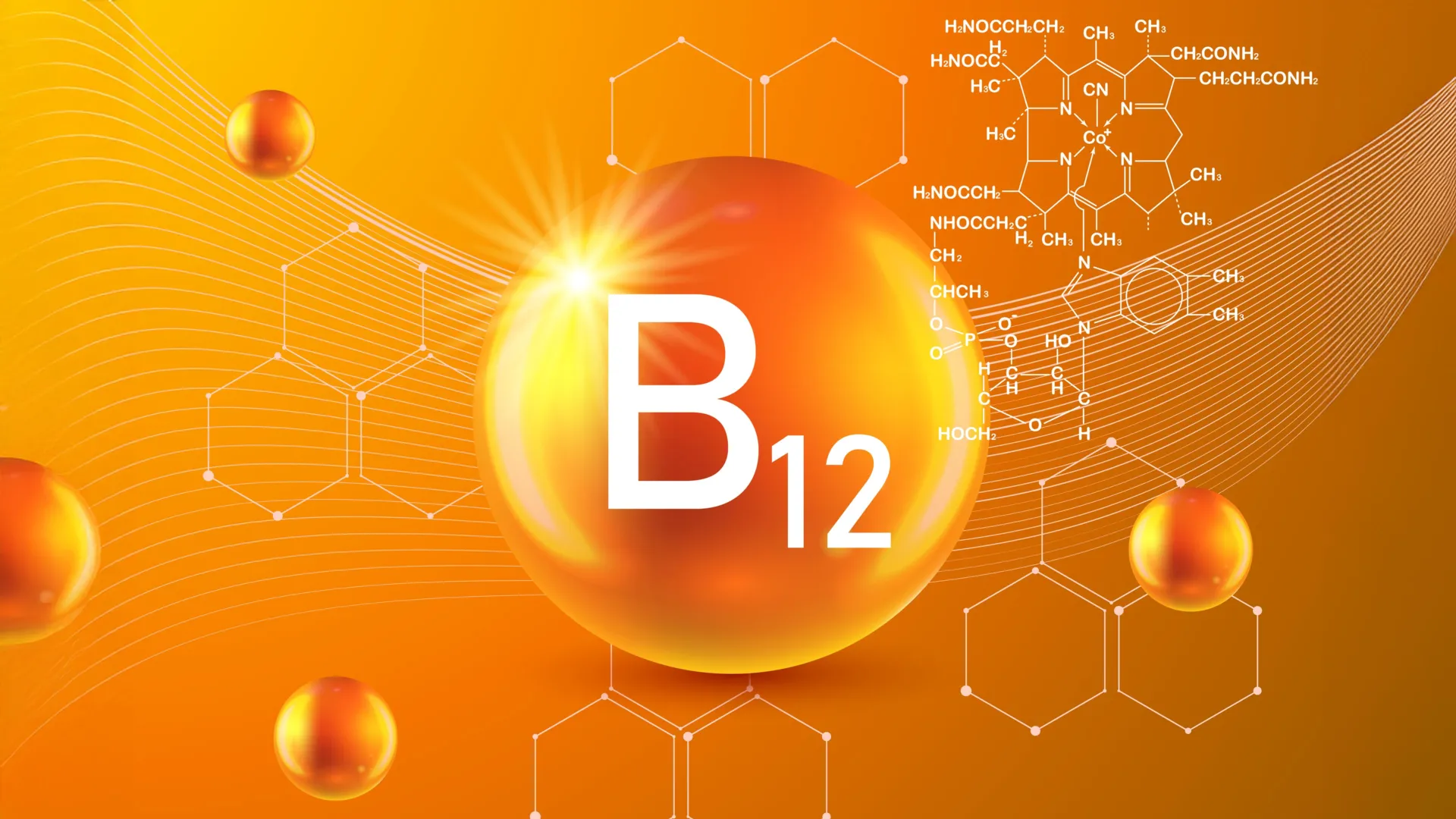
For decades, Spirulina has been marketed as a nutrient-dense dietary supplement. However, it has always carried a significant asterisk: while traditional Spirulina contains B12, it exists primarily in the form of "pseudo-vitamin B12." Chemically similar to the vitamin required by human physiology, this pseudo-variant is biologically inactive, meaning the human body cannot utilize it to support essential functions such as red blood cell formation, DNA synthesis, and neurological health.
The research team’s breakthrough involved a sophisticated biotechnology platform developed by VAXA Technologies in Iceland. By carefully manipulating the "photonic environment"—the specific light spectrum and intensity under which the algae is cultivated—the researchers triggered a metabolic shift in the Spirulina. This shift enabled the organisms to synthesize genuine, bioavailable vitamin B12.
The results were startling: the newly cultivated biomass contained 1.64 µg of active vitamin B12 per 100 grams. For context, beef, which is often considered the gold standard for dietary B12, typically contains between 0.7 and 1.5 µg per 100 grams. This puts the bio-engineered algae on par with, or even superior to, animal-sourced proteins.
Chronology of the Research
The journey to this discovery was a multi-year collaborative effort spanning several European and Middle Eastern institutions.
- Phase I: Systems Analysis: The team began by evaluating the engineering design and energy inputs of VAXA Technologies’ closed-system bioreactors. Unlike traditional open-pond cultivation, which is prone to contamination and environmental fluctuation, this closed-loop system allowed for the granular control of environmental variables.
- Phase II: Photonic Manipulation: Over a series of controlled experiments, researchers adjusted the light conditions. The hypothesis was that specific light frequencies would influence the enzymatic pathways of the algae, forcing them to produce the complex B12 molecule.
- Phase III: Biochemical Verification: Once the biomass was harvested, it underwent rigorous biochemical testing to confirm that the B12 produced was indeed in its active, cobalt-containing form that humans can absorb.
- Phase IV: Scaling Projections: Following the successful lab results, the researchers modeled the potential impact of scaling this technology. By analyzing current energy grid capacities and industrial outputs in Iceland, the team calculated the feasibility of mass-producing this enhanced biomass.
Supporting Data: Nutrition and Scalability
The implications of this discovery are best understood through the lens of global health metrics. According to the World Health Organization and other health bodies, more than one billion people worldwide suffer from B12 deficiency. Symptoms range from fatigue and anemia to irreversible nerve damage if left untreated.
The researchers set the recommended dietary allowance (RDA) at 2.4 µg/day. By applying their findings to large-scale production models, the team extrapolated that reallocating energy currently utilized by heavy industry in Iceland could yield 277,950 tonnes of Spirulina biomass annually.
Projected Nutritional Reach
The potential for mass distribution is significant:
- Children aged 1–3: The annual production of 4,555 grams of active B12 could theoretically cover the RDA for over 13.8 million children.
- Ambitious Scaling: In a highly optimized production scenario, the system could meet the needs of more than 26.5 million children (aged 1–3) or over 50 million infants (aged 0–6 months).
Beyond B12, the biomass also exhibited elevated levels of antioxidants, anti-inflammatory compounds, and immune-boosting agents, positioning it not merely as a supplement but as a functional food capable of addressing multiple nutritional gaps simultaneously.
Official Responses and Expert Perspectives
Dr. Asaf Tzachor, the project lead, emphasized the strategic necessity of this research. "The findings demonstrate that photosynthetically controlled Spirulina can produce desirable levels of active vitamin B12, offering a sustainable alternative to traditional animal-source foods," he stated.
The research has drawn praise for its interdisciplinary approach. By integrating the expertise of the University of Natural Resources and Life Sciences (Vienna), the Ruppin Academic Center, the Danish Technological Institute, and MATIS (Iceland), the project highlights a shift in how academia approaches food security.
Experts in the field of sustainable food systems have noted that the "carbon-neutral" aspect of this technology is just as important as the nutritional profile. As climate change threatens traditional agricultural outputs, the ability to produce high-value nutrients in controlled environments using renewable energy provides a blueprint for resilient food systems.
Implications for the Future of Global Food Systems
The shift toward bio-engineered microalgae addresses two of the most pressing challenges of the 21st century: the climate crisis and the global "hidden hunger" epidemic.
1. Decoupling Nutrition from Land Use
Traditional animal agriculture is resource-intensive, requiring vast tracts of land and water. In contrast, Spirulina can be grown in vertical, closed-loop systems that require minimal space. If this technology is successfully integrated into industrial food production, it could significantly lower the environmental footprint of the global B12 supply chain.
2. A New Paradigm in Biotechnology
This study signals a move away from "biomimicry"—trying to copy nature—toward "bio-optimization," where researchers actively curate the metabolic output of microorganisms. The success in manipulating Spirulina suggests that other microorganisms could be similarly "tuned" to produce essential minerals, vitamins, or even therapeutic compounds.
3. Policy and Practical Implementation
While the science is sound, the transition to real-world application will face hurdles. Regulatory bodies must evaluate the safety and bioavailability of the product in human clinical trials before it hits supermarket shelves. Additionally, the infrastructure required for large-scale "photonic management" will require significant capital investment and international cooperation.
The Aviram Sustainability and Climate Program at Reichman University, which supported this research, remains committed to these challenges. By training students to address resource scarcity, the program aims to ensure that such laboratory breakthroughs are translated into accessible public health solutions.
Conclusion
The successful production of active vitamin B12 in Spirulina is more than a scientific curiosity; it is a potential milestone in the evolution of human nutrition. As the global population trends toward 10 billion, the necessity for efficient, nutrient-dense, and sustainable food sources has never been greater. By utilizing the power of light and the adaptability of microalgae, scientists have provided a glimpse into a future where the world’s most essential nutrients are no longer exclusively tied to the environmental costs of the livestock industry.
While the path from laboratory bench to global market is long, the research published in Discover Food offers a viable roadmap for a healthier, more sustainable future. The fusion of biotechnology and climate-conscious engineering may well be the key to ensuring that every individual, regardless of geography or economic status, has access to the vital nutrients required to thrive.