Introduction: A Pivotal Moment for Global Nutrition
In the landscape of public health, the year 2022 served as a watershed moment. For the first time since 1969, the United States government convened a White House Conference on Hunger, Nutrition, and Health. This landmark event was designed to confront the dual crises of food insecurity and diet-related illnesses that continue to plague millions of Americans. As we look toward the ambitious goal of eradicating hunger and improving nutrition by 2030, the intersection of policy, science, and individual behavior has never been more critical.
This article explores the framework of the new national strategy, the critical perspectives offered by leading experts at the Harvard T.H. Chan School of Public Health, and the practical steps individuals can take to foster healthy living in an era of rapid systemic change.
Main Facts: The 2022 National Strategy
The Biden-Harris administration’s national strategy is built upon five fundamental pillars designed to reshape the American food landscape:
- Improving Food Access and Affordability: The administration seeks to integrate nutrition into the healthcare system, specifically by expanding nutrition assistance programs and ensuring that medically tailored meals are covered under Medicare.
- Integrating Nutrition and Health: The strategy emphasizes the need for healthcare providers to treat nutrition as a pillar of clinical care, rather than a secondary concern.
- Empowering Consumers to Make Healthy Choices: This involves clearer food labeling, educational campaigns, and increased access to nutritional data.
- Supporting Physical Activity: Recognizing that nutrition and movement are inextricably linked, the plan promotes community-based initiatives to increase physical activity.
- Enhancing Nutrition and Food Security Research: The strategy calls for a robust investment in data collection to better understand the nutritional needs of diverse populations.
While these goals are laudable, they represent only the beginning of a long-term transformation that requires participation from every sector of society.
Chronology: From 1969 to 2022 and Beyond
- December 1969: The original White House Conference on Food, Nutrition, and Health occurred. This event catalyzed the creation of the Special Supplemental Nutrition Program for Women, Infants, and Children (WIC) and significant expansions to the food stamp program.
- Early 2022: Growing public concern regarding rising inflation and its impact on food security, combined with long-term data on chronic disease, prompted the planning of a new summit.
- September 2022: The White House Conference on Hunger, Nutrition, and Health is officially held, bringing together policymakers, advocates, and scientists.
- Post-Conference (Late 2022): The White House releases its official executive summary, outlining the "National Strategy on Hunger, Nutrition, and Health," targeting the 2030 deadline for national health improvement.
- 2023 and Beyond: The focus shifts to implementation, policy refinement, and the necessary integration of private sector cooperation to meet these ambitious benchmarks.
Supporting Data: The Scale of the Challenge
The urgency of this initiative is backed by sobering data. Diet-related diseases—including heart disease, obesity, and type 2 diabetes—are the leading causes of death in the United States. According to recent public health metrics:
- Food Insecurity: Millions of Americans live in "food deserts," where access to fresh, affordable produce is limited.
- Chronic Disease Costs: The economic burden of diet-related chronic diseases reaches hundreds of billions of dollars annually, straining both public and private insurance systems.
- The Climate Connection: Global food production currently accounts for roughly one-quarter to one-third of total greenhouse gas emissions. Any strategy that ignores the sustainability of the food supply chain is ultimately incomplete.
Experts suggest that the transition to a healthier nation requires a "planetary health" approach, where the food systems we build are not only nutritious for the consumer but also regenerative for the environment.
Official Responses and Expert Critiques
While the White House strategy has been praised for its boldness, experts at the Harvard T.H. Chan School of Public Health have provided a balanced critique. Drs. Frank Hu, Walter Willett, and Lilian Cheung, writing on the implications of the conference, acknowledged the strengths of the plan while highlighting significant "blind spots."
The Omissions
The experts noted that the national strategy failed to address several key levers of change:
- Marketing to Children: The strategy does not include robust regulations to protect children from the predatory marketing of ultra-processed, high-sugar, and high-sodium foods.
- Climate Change Integration: The plan lacks a comprehensive vision for transforming the food system in response to the climate crisis. A truly sustainable food system must move beyond nutritional content to consider the water, land, and energy footprints of our food supply.
- Corporate Accountability: While the strategy encourages private sector participation, critics argue that it lacks the binding mechanisms necessary to ensure corporations move beyond voluntary commitments toward genuine, systemic reform.
"To have a significant impact," the Harvard team noted, "the administration must bring together the public and private sectors, along with philanthropists, academia, and individuals to develop truly sustainable food systems that support both public and planetary health."
Implications: The Road to 2030
The implications of this strategy are vast. For policymakers, it means moving toward a system where "food as medicine" becomes a standard of care. For the private sector, it implies a shift in product formulation and marketing ethics. For the individual, it reinforces the message that while systemic change is essential, personal habits remain a vital component of longevity and disease prevention.
The Power of Small Changes
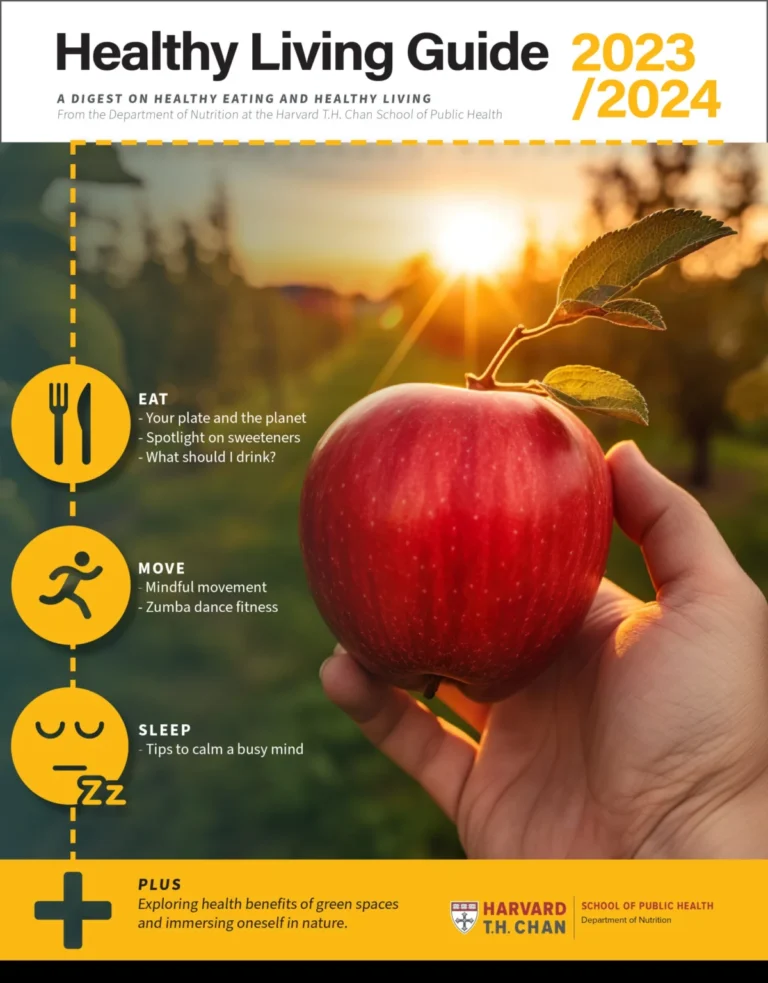
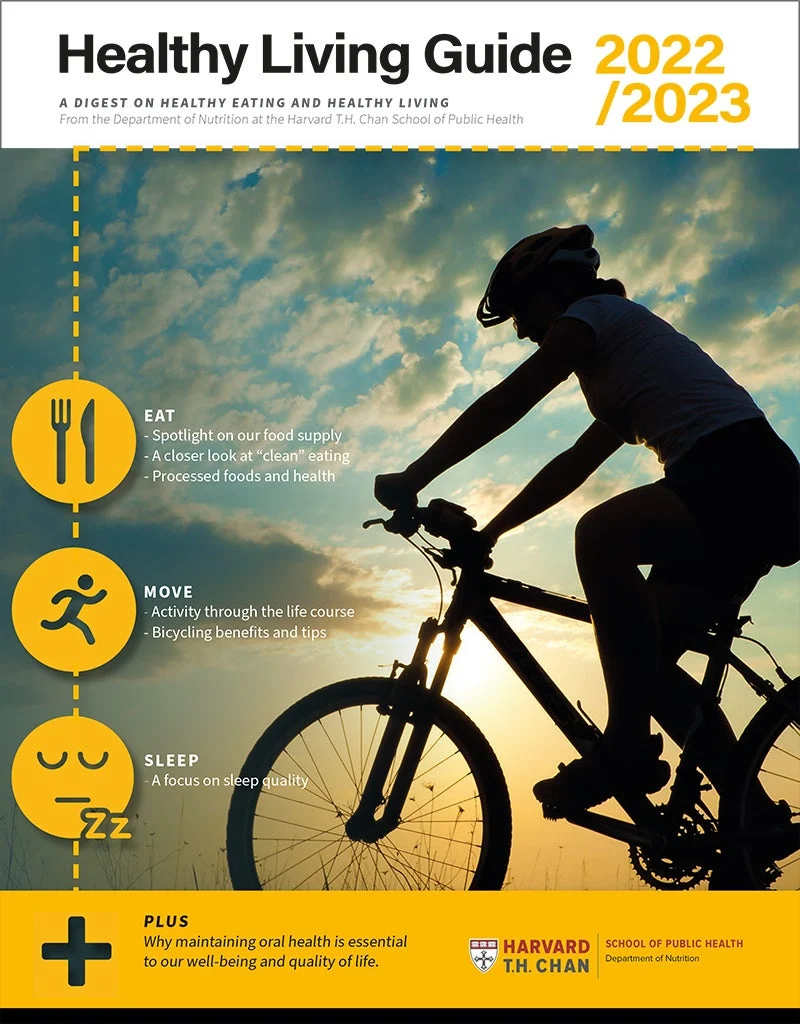
As we navigate the systemic shifts expected over the next decade, individuals are encouraged not to be overwhelmed by the scale of the challenge. The Harvard T.H. Chan School’s Healthy Living Guide emphasizes that no change is too small. Whether it is increasing fiber intake, prioritizing hydration, or finding consistent ways to incorporate physical activity into a daily routine, these small, cumulative actions contribute to a larger culture of health.
The Role of Education
To support this transition, resources such as the Healthy Living Guide serve as essential tools. By providing printable tip sheets and evidence-based summaries, these resources demystify complex nutritional science. The goal is to move beyond "diet culture" and toward a sustainable lifestyle that is both accessible and enjoyable.
Conclusion: A Collective Responsibility
The 2022 White House Conference was not an endpoint; it was an invitation to rethink how we eat, how we farm, and how we value the health of our citizens. The challenges ahead are significant: food insecurity remains a barrier for millions, and the environmental impact of our modern food system continues to mount.
However, the path forward is clear. It requires a multi-faceted strategy that holds corporations accountable, empowers individuals with transparent information, and treats healthy food as a fundamental human right rather than a luxury.
As we look toward 2030, the success of this national strategy will be measured not just by policy documents, but by the tangible improvement in the health of our communities. By integrating the insights of leading nutrition scientists with the practical, everyday actions of the public, we can move closer to a future where healthy living is the standard, not the exception.
Resources for Continued Learning
For those looking to deepen their understanding of these topics, we encourage you to:
- Review the Official Strategy: Familiarize yourself with the Biden-Harris administration’s full report on hunger and nutrition.
- Utilize the Healthy Living Guide: Download the latest edition from the Harvard Nutrition Source to access actionable tips and evidence-based summaries.
- Test Your Knowledge: Engage with the interactive quizzes provided by nutrition experts to keep your health literacy sharp.
Ultimately, the journey toward better health is a collective effort. By staying informed, advocating for better food policies, and making conscious choices at the dinner table, every individual plays a part in the national strategy to build a healthier, more sustainable America.