











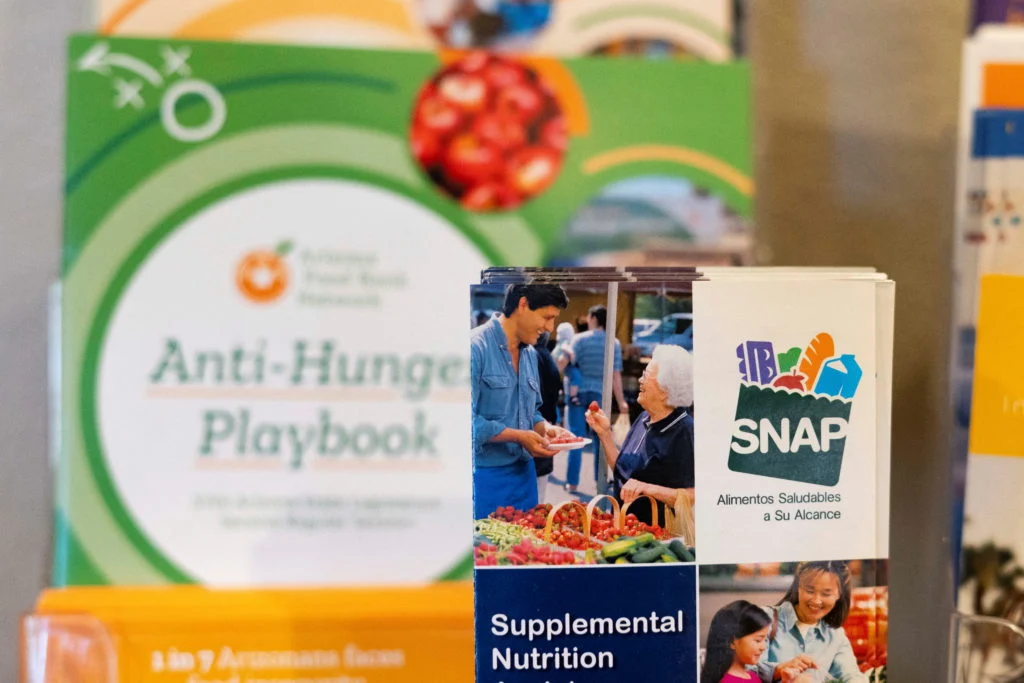
Between July 2025 and July 2026, more than 1.2 million children across the United States were removed from the rolls of the Supplemental Nutrition Assistance Program (SNAP), the nation’s primary defense against hunger. This staggering decline—which researchers warn may actually exceed 1.5 million—has ignited a firestorm of debate among economists, policymakers, and child advocates.
While proponents of the current administration’s fiscal policies argue that the reduction reflects a return to pre-pandemic norms and a healthy labor market, experts on the ground paint a grimmer picture. They contend that the loss of food aid is not a symptom of reduced need, but rather the direct, systemic consequence of a sweeping legislative overhaul that has introduced bureaucratic barriers, tightened eligibility criteria, and fundamentally altered the relationship between the federal government and the most vulnerable families in the country.
The Legislative Catalyst: The “One Big Beautiful Bill”
The catalyst for this widespread loss of access is the massive tax and spending legislation championed by President Donald Trump and enacted more than a year ago. Touted by its supporters as a necessary step toward fiscal discipline, the law mandates at least $1 trillion in federal spending cuts, disproportionately impacting the social safety net.
The legislation introduced two primary mechanisms that have fundamentally reshaped SNAP participation: the implementation of stricter work requirements for able-bodied adults and the shifting of administrative costs onto states based on their payment error rates. While the law was presented as a measure to incentivize employment, critics argue it has effectively penalized families who are already navigating the precarious landscape of low-wage, inconsistent labor.
Chronology of a Crisis: From Pandemic Flexibility to Austerity
To understand the current decline, one must look at the recent evolution of American food policy:
- 2020–2024: During the COVID-19 pandemic, the federal government suspended various work requirements and provided temporary benefit boosts to combat the economic fallout of the global health crisis. These measures were widely credited with preventing a surge in child poverty.
- Late 2024: As pandemic-era waivers began to sunset, states started the transition back to standard eligibility protocols.
- Mid-2025: The "One Big Beautiful Bill" took full effect, imposing stringent work-search requirements and initiating a transition toward a state-based financial liability model for SNAP errors.
- July 2025–July 2026: Researchers at the Center on Budget and Policy Priorities (CBPP) observed a rapid, precipitous drop in enrollment that far outpaced historical trends associated with economic recovery.
- September 2026: The federal government terminated the annual Household Food Security Report, citing concerns over the "politicization" of the data, effectively ending the most comprehensive tracking of the very crisis unfolding in real-time.
The Data Gap: Why "Less" Doesn’t Mean "Better"
Traditionally, SNAP enrollment is cyclical; it acts as an economic barometer, rising when the economy struggles and falling as the job market improves. However, the current decline is an outlier. Joseph Llobrera, senior research director for food assistance at the CBPP, notes that there has been no corresponding shift in unemployment rates or a significant surge in living wages that would explain such a drastic reduction in participation.
"The data that we’re seeing now is that the declines are so significant and rapid that it’s really unlikely that this is because there’s a reduced need," explains Priya Fielding-Singh, director of policy and programs at George Washington University’s Global Food Institute.
The CBPP analysis, which examined public data from 25 states representing 60% of total SNAP participants, confirms that the drop is not localized but systemic. In these states, the rapid decline suggests that the barrier to entry has been raised, not that the hunger crisis has been resolved.
Bureaucratic Hurdles and the "Chilling Effect"
The law’s impact is felt most acutely through its administrative requirements. For adults aged 18 to 64 without minor children (or with children over 14), the law mandates 80 hours of work or participation in a work program per month. Failure to meet these requirements results in a three-year disqualification from the program.
However, the ripple effects extend to families with younger children. The administrative burden of proving dependency and navigating recertification processes has become a significant deterrent. Furthermore, the administration’s broader crackdown on immigration has created a "chilling effect" among immigrant families. Even those who are legally present, or who have U.S. citizen children eligible for aid, are increasingly avoiding the system out of fear that their contact with government agencies could trigger immigration enforcement.
"States are using that denial on entry or denial at recertification to try and make it easier for themselves to control payment errors," says Lauren Bauer, a fellow in economic studies at the Brookings Institution. As states prepare for an October 2027 deadline where they will be financially penalized for high error rates, many are tightening documentation requirements to an unprecedented degree, effectively "cleansing" the rolls of families who struggle to navigate the complex paperwork.
Implications for Public Health and Education
The consequences of this policy shift are not merely administrative; they are physiological and societal. When SNAP benefits are cut, families do not simply find other sources of food. Instead, parents often sacrifice their own nutritional intake to prioritize their children, leading to increased food insecurity in households that were already living on the margins.
The implications for children are long-lasting. According to a 2025 report in the journal Nutrients, food insecurity is linked to a cascade of negative outcomes:
- Developmental Delays: Chronic lack of adequate nutrition during formative years hinders cognitive growth.
- Behavioral Challenges: Hunger is strongly correlated with lower social-emotional skills and decreased focus in academic settings.
- Health Outcomes: Increased susceptibility to illness and nutrient deficiencies that can cause lifelong health complications.
Furthermore, the contraction of SNAP threatens the stability of other programs. The National School Lunch Program and the Community Eligibility Provision (CEP)—which allows schools to provide free meals universally—rely on SNAP data to determine eligibility. As enrollment in SNAP falls, schools are losing the qualification threshold required to sustain universal meal programs, forcing some districts to scale back or eliminate these critical services.
Official Responses and the Ideological Divide
The political reaction to the enrollment drop remains starkly divided. Proponents of the legislation, including various House budget committees, have lauded the reduction as a victory, framing it as a successful move to decrease federal dependency and restore the "original intent" of the program. They argue that the pandemic-era expansions were meant to be temporary and that the current decline is a necessary correction.
However, the decision to terminate the federal Household Food Security Report has drawn intense criticism. By labeling the report "subjective" and "liberal fodder," the administration has effectively blinded the public to the specific consequences of its own policy. For researchers like Fielding-Singh, this is a dangerous development.
"SNAP is not, despite the name, supplemental," Fielding-Singh emphasizes. "SNAP is essential. SNAP is critical. SNAP is how families feed their kids enough food."
Conclusion: A Future in Flux
As of late 2026, the long-term trajectory of American food security remains uncertain. With the federal government retreating from its role as a data-driven steward of the social safety net, the burden of proof has shifted onto local advocates and academic institutions to document the human cost of these policies.
While the "One Big Beautiful Bill" may have succeeded in lowering federal expenditures, the human cost is becoming increasingly visible in the hallways of public schools and the cupboards of low-income families across the nation. For over 1.2 million children, the "success" of these budget cuts has manifested as a missing meal, a growing anxiety about the next grocery trip, and a future shadowed by the impacts of food insecurity. As the nation moves toward 2027, the question remains whether the cost of these savings—measured in the health and potential of the next generation—is one the country is prepared to pay.