







The passing of global icon Dolly Parton on August 25, 2026, at the age of 80, sent a profound shockwave through the collective consciousness. For decades, the Tennessee native served as a rare cultural constant—a figure who transcended political, generational, and geographic divides to provide a sense of universal joy. Whether through her legendary songwriting, her cinematic contributions, or her philanthropic behemoth, the Imagination Library, Parton was an architect of optimism.
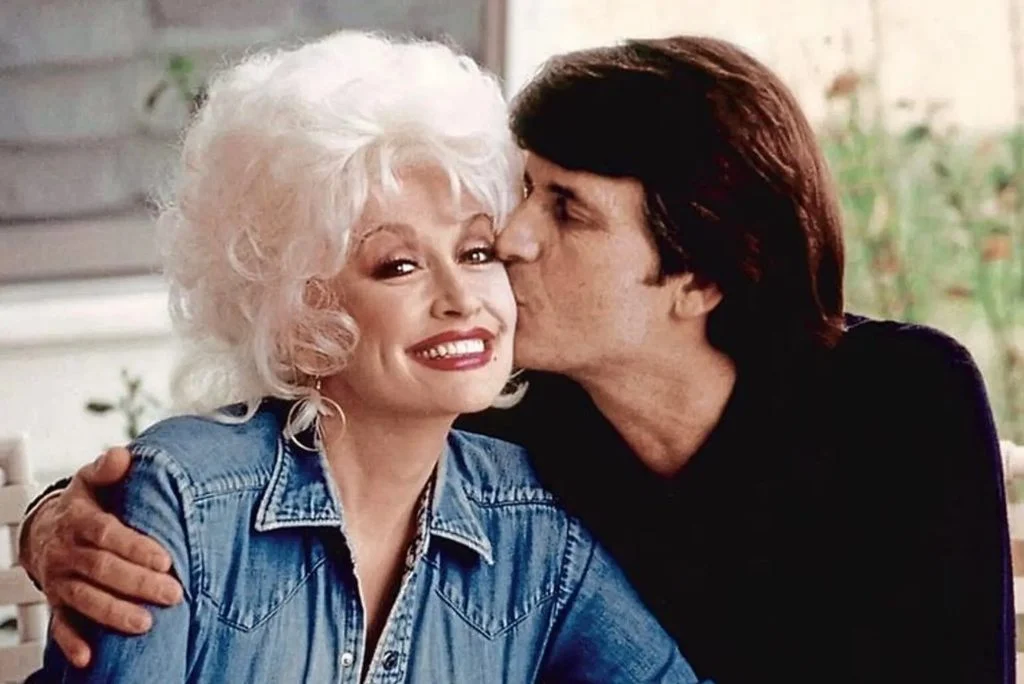
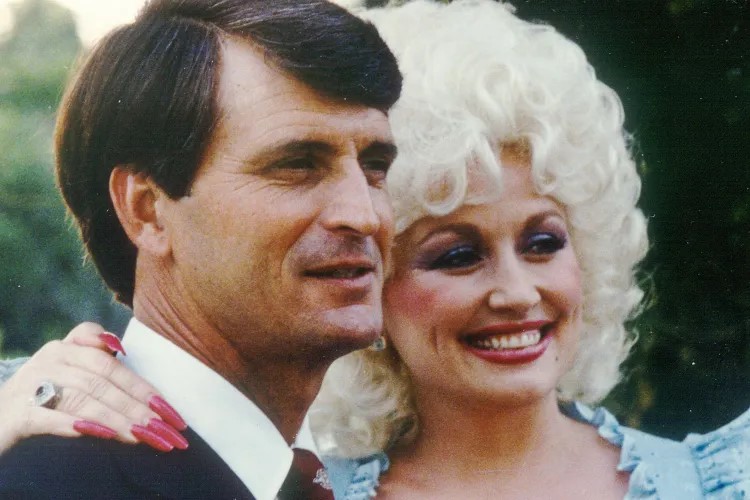
However, behind the glitz of her multi-million dollar empire and her signature, unwavering smile, the final years of Parton’s life were defined by a quiet, exhausting, and ultimately life-altering role: that of a primary caregiver to her husband of 59 years, Carl Dean. Her death, occurring just 18 months after Dean’s passing, has ignited a critical conversation among gerontologists and public health experts about the "Widowhood Effect"—a phenomenon where the loss of a spouse triggers a rapid decline in the surviving partner’s health.
The Intersection of Legacy and Loss: A Chronology
Dolly Parton’s life was defined by two primary pillars: her public persona as an entertainer and her private devotion to her marriage. While the world watched her build an Appalachian legacy at Dollywood and foster literacy for millions of children, her most rigorous work began in 2019. Following Carl Dean’s Alzheimer’s diagnosis, the superstar began a systematic withdrawal from the public eye.
- 2019: Carl Dean is diagnosed with Alzheimer’s disease. Parton begins to quietly transition her focus toward home-based care.
- 2022: Parton officially retires from touring and long-term film commitments, prioritizing her role as a full-time caregiver.
- Early 2025: Carl Dean passes away after a 59-year marriage. Parton begins a period of deep, private mourning.
- August 25, 2026: Dolly Parton passes away, roughly 18 months after her husband.
Parton’s own admission, shared via social media shortly before her decline, was hauntingly candid: "Back when my husband Carl was very sick, that was for a long time, and then when he passed, I didn’t take care of myself. I let a lot of things go that I should’ve been taking care of."
The Science of the "Widowhood Effect"
The "Widowhood Effect" is not merely a poetic description of a broken heart; it is a measurable clinical reality. Research into bereavement suggests that the stress of losing a long-term partner significantly elevates mortality risk, particularly among those who served as the primary caregiver.
Dementia caregiving, in particular, is categorized as a high-intensity burden. Unlike other caregiving roles, dementia requires constant vigilance regarding neurodegeneration, the management of "sundowning" (agitation and confusion during late afternoon), and the physical demands of assisting with basic activities of daily living.
Physiological Impacts
Studies, including those published in the American Journal of Public Health, indicate that the risk of mortality for a surviving spouse increases significantly within the first 90 days of bereavement. The mechanisms behind this include:
- Systemic Inflammation: Research from Rice University found that intense grief can spike levels of inflammation in the body, exacerbating chronic conditions like heart disease, asthma, and even cognitive decline.
- Neglect of Self: As Parton admitted, caregivers often abandon their own preventative health screenings, medication management, and sleep hygiene to focus entirely on the patient.
- The "Caregiver’s Solitude": Spouses, especially women, are statistically the least likely demographic to seek outside help or hire professional respite care, often believing it is their duty to handle the burden alone.
Supporting Data: The Scope of the Crisis
The scale of the caregiving crisis in the United States is staggering, and it is growing as the population ages. According to the 2025 AARP/National Alliance for Caregiving report, there are approximately 63 million caregivers in the U.S., with nearly 6 million of those specifically caring for a spouse.
The Intensity Gap
The data reveals a stark reality for those caring for partners with memory impairments:
- Time Burden: The average caregiver for an adult over 50 now spends 26 hours per week providing care, a significant increase from 22 hours in 2020.
- The "Solitary" Trap: Data published in Health Affairs confirms that spousal caregivers—particularly women—are less likely to utilize community services or respite care than adult children, leading to higher rates of depression and physical exhaustion.
- Mortality Risk: A 2023 Danish study tracking one million citizens found that younger spouses (65+) face a 70% higher risk of mortality within the first year of losing a partner.
The Implications for Social Wellness Planning
Parton’s story serves as a cautionary tale regarding the necessity of "Social Wellness Planning." While she possessed a robust support system—a tight-knit family of 12 siblings and a deep well of faith—she struggled to integrate professional help into her caregiving model.
The cultural expectation that "love equals doing it all alone" is a dangerous myth. Experts argue that sustainable caregiving requires a "three-party equation": the bond with the patient, a commitment to spiritual or communal support, and an ironclad commitment to the self.
When a caregiver ignores their own health, they are not merely sacrificing their time; they are shortening their own life expectancy. The transition from August’s National Wellness Month to September’s Self-Care Awareness Month highlights the critical need for families to establish "respite contingency plans" long before a crisis occurs.
Toward a New Model of Caregiving
The tragedy of losing a national treasure like Dolly Parton so soon after her husband has refocused national attention on the need for systemic support.
Essential Resources for Caregivers
To mitigate the risks of the Widowhood Effect, caregivers are urged to utilize existing support structures:
- ARCH National Respite Care Network: Provides a pathway to finding local, qualified respite services.
- Hilarity for Charity: Offers "care grants" specifically for families managing dementia, providing much-needed financial relief for in-home help.
- Respitely & CareGifting: Modern platforms that allow friends and family to crowdfund respite care, effectively "gifting" the caregiver a break.
- Veteran’s Administration: For those with military ties, the VA offers up to 30 days of free respite care annually, a resource that remains underutilized.
Conclusion: A Legacy of Reflection
Dolly Parton spent her life teaching the world how to love, how to sing, and how to find joy in the simple things. Her final lesson, though tragic, is perhaps her most vital: the importance of self-preservation within the context of deep, abiding love.
As the nation mourns the loss of a legend, the most fitting tribute to her memory is a shift in how we approach the "invisible labor" of caregiving. We must move toward a society that views respite not as a luxury or an abandonment of duty, but as a mandatory component of the caregiving profession. By normalizing the use of help, we can honor the devotion of spouses like Dolly Parton while ensuring that those who give the most are supported in their own journey toward health and longevity.
The "Widowhood Effect" is a formidable adversary, but through proactive social planning, early integration of professional support, and a commitment to personal well-being, the devastating trajectory of loss can be disrupted. Dolly Parton’s life was a masterclass in influence; let her final chapter be a masterclass in self-care.
References
- Vitaliano, P. P., et al. (2003). Is caregiving hazardous to one’s physical health? A meta-analysis.
- AARP/NAC (2025). Caregiving in the U.S. 2025 Report.
- Parker, K. (2026). Family caregiving in an aging America. Pew Research Center.
- Ornstein, K. A., et al. (2019). Spousal Caregivers Are Caregiving Alone In The Last Years Of Life. Health Affairs.
- Katsiferis, A., et al. (2023). Sex differences in health care expenditures and mortality after spousal bereavement. PLOS One.
- Elwert, F., & Christakis, N. A. (2008). The effect of widowhood on mortality by the causes of death of both spouses. American Journal of Public Health.
- Rice University (2018). For the brokenhearted, grief can lead to death. ScienceDaily.