










For decades, the public health narrative surrounding Type 2 diabetes has been inextricably linked to weight. The condition is frequently framed as a disease of lifestyle and excess body mass, leading to a common misconception that if one is not obese, they are largely shielded from the metabolic complications of insulin resistance. However, a significant cohort—estimated at 10% to 20% of the global diabetic population—suffers from the disease despite maintaining a healthy body weight.
A breakthrough study published in the journal Nutrients is now shedding light on this "hidden" form of diabetes. By examining the impact of omega-3 fatty acids on non-obese subjects, researchers have uncovered a compelling link between systemic inflammation, immune cell modulation, and the body’s ability to process glucose. This discovery suggests that for millions of people, the fight against diabetes may not be fought solely through weight loss, but through the cooling of internal inflammation.
The Core Findings: A New Mechanism for Metabolic Health
The study, spearheaded by researchers from the Butantan Institute and Cruzeiro do Sul University (UNICSUL) in Brazil, focused on the Goto-Kakizaki (GK) rat. This animal model is the gold standard for studying non-obese Type 2 diabetes, as it naturally develops insulin resistance without the presence of excess adipose tissue.
Over an eight-week period, researchers administered a precise regimen of fish oil—dosed at 2 grams per kilogram of body weight—to the GK rats. The supplement was rich in eicosapentaenoic acid (EPA) and docosahexaenoic acid (DHA). By the end of the trial, the results were striking: the treated animals exhibited significantly lower insulin resistance, improved glycemic control, and a notable reduction in inflammatory markers. Furthermore, the subjects saw improvements in their lipid profiles, including lower levels of total cholesterol, triglycerides, and LDL, often referred to as "bad cholesterol."
The central discovery was not merely that the fish oil helped, but how it helped. The researchers observed a fundamental shift in the immune system. Omega-3 fatty acids appear to modulate the inflammatory response by transitioning lymphocytes—white blood cells central to the adaptive immune response—from a pro-inflammatory state to an anti-inflammatory one.
A Chronology of Discovery: Mapping the Path of Inflammation
The path to these findings was not linear; it was the result of a long-term research project supported by the São Paulo Research Foundation (FAPESP). The team’s work has been characterized by a step-by-step deconstruction of how inflammation persists in the absence of obesity.
The Foundation (Early Stages)
The research group, led by Professor Rui Curi, first identified that non-obese diabetic rats exhibited systemic inflammation that mirrored, in some ways, the metabolic disturbances seen in obese human subjects. They noted that in both populations, cells produce higher levels of pro-inflammatory cytokines, which interfere with insulin signaling.
The Targeted Investigation (2023–2024)
In a study published in the International Journal of Molecular Sciences, the team confirmed that even in the absence of the large fat deposits that typically drive inflammation in obesity, these rats maintained a "pro-inflammatory" internal environment. Subsequent research published in FEBS Letters revealed that this breakdown begins early; even in 21-day-old GK pups, there was already a deficiency in regulatory T-cells (Tregs)—the immune system’s "brakes" that keep inflammation in check.
The Nutrients Breakthrough (Current Study)
Building on these observations, the current study sought to determine if the damage could be reversed. By introducing omega-3s, the team proved that they could "re-educate" the immune system. The intervention reduced the polarization of Th1 and Th17 cells (pro-inflammatory drivers) and stimulated the rise of protective Tregs, effectively lowering the metabolic burden of the rats.
Supporting Data: Why the Immune System Matters
The implications of this research are rooted in the biology of insulin resistance. Insulin is the "key" that allows glucose to enter cells; when the body is insulin resistant, that key fails to turn the lock. While obesity-driven diabetes is caused by excess fat cells releasing cytokines, the non-obese model suggests that insulin resistance can be an "auto-immune-adjacent" process.
Immune Modulation as a Therapeutic Target
The study provides quantitative evidence that immune cells are not merely victims of metabolic disease but active participants in its progression.
- Th1 and Th17 cells: These are the "aggressors." The fish oil treatment significantly dampened their activity.
- Regulatory T-cells (Tregs): These are the "peacekeepers." The treatment increased their population, creating an anti-inflammatory buffer that allowed insulin signaling to function more effectively.
This shift suggests that for the non-obese diabetic, the "root cause" may be a chronic, low-level inflammatory state that the body cannot resolve on its own. Omega-3 fatty acids, in this context, act as a signaling molecule that tells the immune system to stand down.
Official Perspectives: Expert Commentary
The project, which included the PhD candidacy of Tiago Bertola Lobato and was coordinated by Professor Rui Curi and co-directed by Renata Gorjão, emphasizes a shift in clinical thinking.
"We found that insulin resistance can be reduced in these animals by modulating the inflammatory response," says Professor Curi. "This process parallels the response of obese individuals with insulin resistance to omega-3 fatty acid supplementation. Our findings increase our knowledge of the link between inflammation and insulin resistance in non-obese animals, confirming that this is a key factor in diabetes even in the absence of obesity."
Renata Gorjão adds that the study’s primary goal was to see if the specific lymphocyte alterations observed in previous years could be reversed. The results confirm that the "inflammatory environment" is a viable therapeutic target, independent of body fat percentage.
Broader Implications and Future Horizons
While these findings are significant, the scientific community remains cautious. The leap from rodent models to human clinical practice is fraught with variables, including dosage, bioavailability, and the duration of treatment.
Bridging the Gap to Human Research
Evidence from recent human trials appears to support the momentum of these findings. A 2025 double-blind randomized controlled trial in Food and Function showed that middle-aged and older adults who received omega-3 supplements saw a decrease in fasting insulin and improvements in the HOMA-IR index (a standard measure of insulin resistance). Similarly, a 2024 analysis in Nutrition and Diabetes found a dose-related association between omega-3 intake and better long-term blood sugar control (HbA1c).
The "Individualized" Future
The researchers point out that the future of diabetes management may require a more personalized approach.
- Genetic Factors: For non-obese patients, researchers are currently investigating if genetic predispositions are the primary triggers for their inflammatory state.
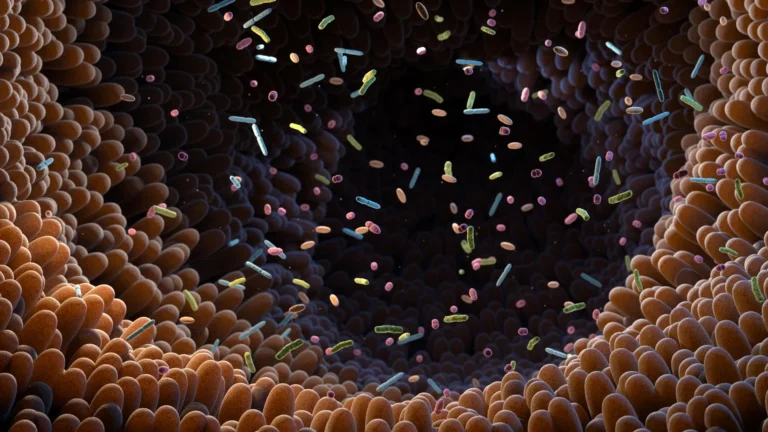
- Gut Health: Another study published in Cells explores whether delayed intestinal transit contributes to the development of insulin resistance in non-obese individuals, suggesting the gut-immune-metabolic axis is a complex web.
- Standardization: As Professor Curi noted, "Trials in humans are needed to estimate the ideal dose and the most indicated type of omega-3 fatty acid."
A Shift in Paradigm
Perhaps the most profound implication of this research is the humanization of the diabetes experience. By recognizing that inflammation can exist without obesity, the medical community can move away from a "blame-the-patient" model toward a more nuanced, biological understanding of the disease.
If future human trials confirm that targeted omega-3 supplementation can safely manage inflammation-driven insulin resistance, it could provide a powerful, non-pharmaceutical, or adjunct tool for the millions of people whose diabetes does not fit the traditional clinical profile. For now, the Brazilian team’s work stands as a landmark study, reminding us that in the complex machinery of human metabolism, the smallest cells—the lymphocytes—may hold the secret to the biggest health challenges.
While the scientific debate regarding the efficacy of fish oil continues, one thing is clear: the conversation around Type 2 diabetes is no longer just about the scale. It is about the immune system, the inflammatory response, and the potential to heal the body from the inside out.