











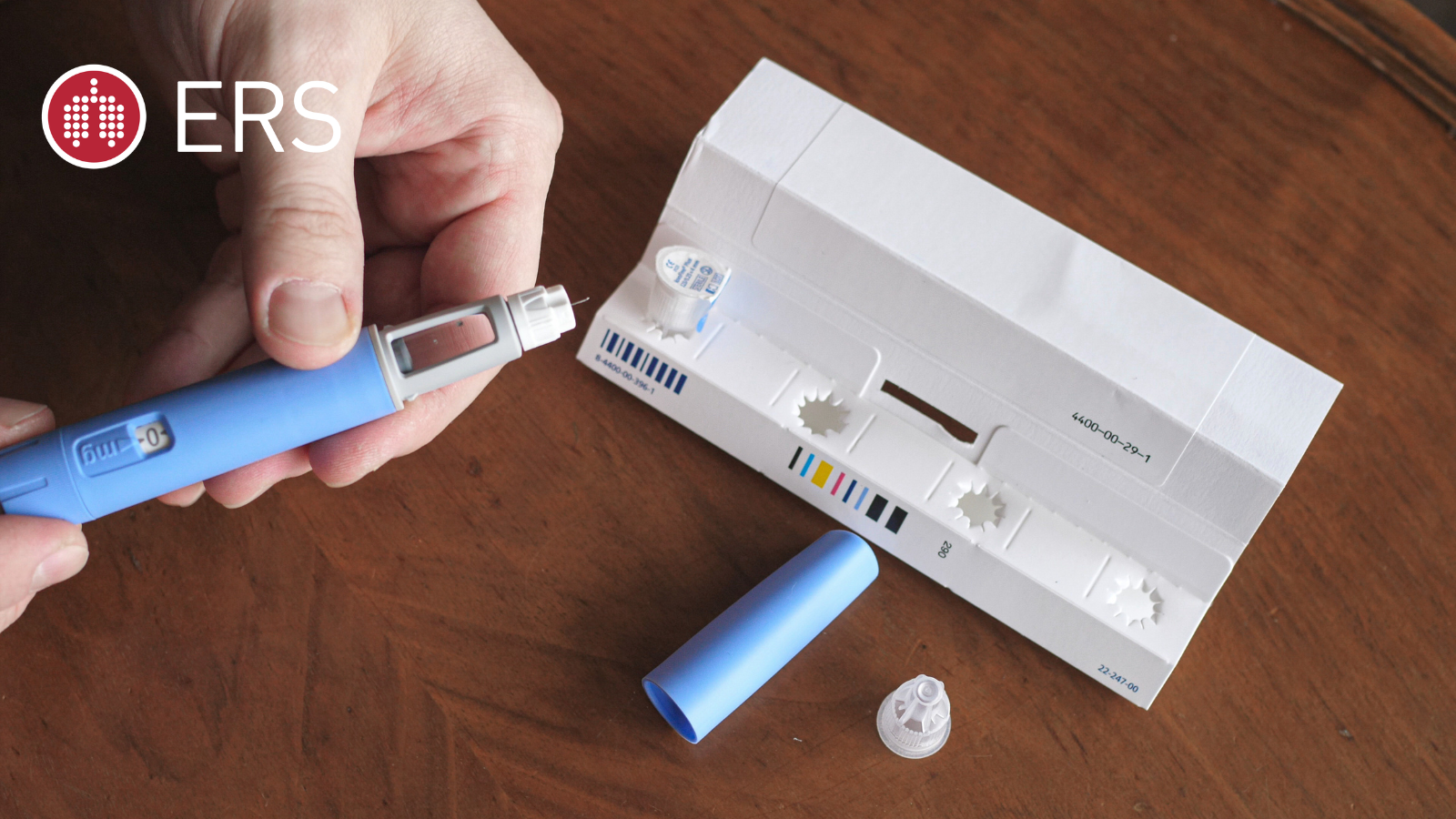
Barcelona, Spain — Tuesday, 8 September 2026 — In a landmark presentation at the European Respiratory Society (ERS) Congress, researchers have unveiled compelling evidence that semaglutide—a medication primarily recognized for its transformative impact on weight loss and type 2 diabetes management—may offer a significant secondary benefit: the reduction of asthma attacks and chronic obstructive pulmonary disease (COPD) flare-ups.
The study, which leveraged vast amounts of real-world clinical data, suggests that these injectable therapies could fundamentally alter the landscape of respiratory care for patients suffering from comorbid metabolic conditions. As the medical community digests these findings, the potential for a more holistic, "whole-body" approach to chronic disease management has become a focal point of discussion in Barcelona.
Main Facts: A New Frontier in Respiratory Care
The research, led by Professor Chloe Bloom of the National Heart & Lung Institute at Imperial College London, analyzed electronic health records from thousands of patients in the United Kingdom. The core finding is striking: patients with asthma or COPD who were prescribed GLP-1 receptor agonists—a class of drugs that includes semaglutide—experienced a statistically significant decrease in acute respiratory attacks compared to those on standard diabetes treatments.
For patients with asthma, the use of semaglutide was associated with a reduction in asthma attacks by as much as 40%. For those living with COPD, the medication was linked to a 20% reduction in flare-ups. These findings suggest that the anti-inflammatory properties of GLP-1 agonists may extend far beyond the pancreas and the digestive system, potentially mitigating the systemic inflammation that often exacerbates airway diseases.
The Chronology of Discovery
The journey to these findings began with a shift in perspective within respiratory medicine. For years, clinicians have observed that patients with chronic airway diseases often struggle with concurrent metabolic issues, including obesity and insulin resistance.
Identifying the Knowledge Gap
While GLP-1 receptor agonists have been the subject of extensive clinical trials regarding cardiovascular and weight-loss outcomes, respiratory health had been conspicuously absent from these large-scale investigations. Professor Bloom and her colleague, Dr. Bohee Lee, identified this gap as a critical oversight in modern clinical research. They hypothesized that because GLP-1 agonists are known to reduce systemic inflammation, they might naturally dampen the "fire" in the lungs of patients with asthma and COPD.
Data Synthesis and Methodology
The research team initiated four parallel, large-scale studies utilizing UK electronic medical records. Each study cohort consisted of 20,000 to 22,000 participants who had recently commenced treatment with either a GLP-1 receptor agonist or a sulfonylurea (a standard alternative diabetes medication). By comparing these two groups over a sustained period, the researchers were able to isolate the impact of the GLP-1 treatment on respiratory event rates. The data collection phase was exhaustive, ensuring that the participants were matched for similar metabolic profiles, thereby reducing the risk of bias and ensuring the results reflected the drug’s efficacy rather than patient selection.
Supporting Data: By the Numbers
The strength of this study lies in the sheer volume of real-world evidence analyzed. By comparing the respiratory health trajectories of over 80,000 individuals across four cohorts, the researchers were able to establish clear patterns.
Asthma Impact
In the cohorts specifically focused on asthma, the data indicated that semaglutide users experienced a 40% reduction in exacerbations. Asthma attacks, which can range from mild wheezing to life-threatening emergencies, often lead to hospitalization and long-term lung damage. A 40% reduction represents a profound potential improvement in quality of life and a significant decrease in the burden on healthcare systems.
COPD Flare-Ups
COPD, a progressive condition characterized by blocked airflow, remains one of the leading causes of morbidity worldwide. The 20% reduction in flare-ups observed in the study is particularly noteworthy, as COPD exacerbations are major drivers of disease progression. While the effect size was smaller than that observed in asthma, it remains clinically significant, offering a potential new avenue to preserve lung function in an aging population.
Comparison with Sulfonylureas
The decision to compare GLP-1 agonists against sulfonylureas was tactical. Sulfonylureas are a common, established, and effective treatment for type 2 diabetes. By choosing this control group, the researchers ensured that the observed benefits were unique to the GLP-1 class of drugs, rather than simply a byproduct of achieving better blood sugar control. The data showed that the respiratory benefits were specifically tied to the GLP-1 pathway, providing strong evidence for a drug-specific effect rather than a generalized metabolic one.
Official Responses and Clinical Caution
The presentation at the ERS Congress triggered immediate interest, but also a call for measured interpretation.
Professor Chloe Bloom’s Perspective
"The findings from this study are encouraging, but they should not change treatment decisions on their own," emphasized Professor Bloom. She was quick to temper enthusiasm with clinical reality, stating that patients should not seek out semaglutide specifically for their asthma or COPD at this stage. "People with asthma or COPD should not start GLP-1 receptor agonists specifically for their lung condition outside current prescribing guidance," she added. The primary goal of the study, she explained, is to demonstrate the need for clinical trials that formally test these hypotheses.
The Perspective of Dr. Alexander Mathioudakis
Dr. Alexander Mathioudakis, Chair of the European Respiratory Society’s Group on Airway Pharmacology and Treatment, offered an independent expert analysis. "Obesity and metabolic dysfunction are common in airways disease and are often under-recognised as problems that can and should be addressed," he noted.
Dr. Mathioudakis praised the study for its scale and its specific focus on comparing different GLP-1 agonists, an area that has previously been neglected. "It highlights the need to consider metabolic health as part of respiratory care," he stated. He advocated for a paradigm shift, suggesting that the "siloed" approach to medicine—where respiratory specialists, endocrinologists, and primary care physicians work in isolation—is no longer sufficient to treat complex patients.
Implications: The Future of Personalized Medicine
The implications of this research are far-reaching, touching upon the future of clinical trial design, pharmaceutical policy, and the daily management of chronic diseases.
A New Standard for Clinical Trials
Perhaps the most significant implication is the call to action for pharmaceutical developers. Historically, respiratory outcomes were rarely included in trials for metabolic drugs. The research presented in Barcelona suggests that this must change. Future clinical trials for GLP-1 receptor agonists and other metabolic therapies should incorporate respiratory markers, such as lung function tests, symptom scores, and incidence rates of acute attacks, into their primary or secondary endpoints.
Holistic Patient Management
For the patient, these findings point toward a future of "personalized medicine." If a patient with type 2 diabetes is also struggling with severe asthma, a clinician might prioritize a GLP-1 receptor agonist over other effective diabetes medications, knowing that it provides a "dual-benefit" profile. This could lead to better outcomes, lower medication burdens, and reduced healthcare costs by preventing emergency department visits.
The Path Toward Confirmation
The journey from an observational study to a clinical recommendation is rigorous. The medical community now awaits dedicated, randomized controlled trials (RCTs). These trials will be essential to determine exactly how these drugs protect the lungs. Is it purely through systemic inflammation reduction? Does it involve weight loss-related improvements in lung mechanics? Or is there a direct effect on airway smooth muscle or mucus production?
As we look toward the next few years, the integration of metabolic and respiratory care appears inevitable. This study serves as a catalyst, urging researchers to look beyond the immediate targets of a drug and consider the systemic "ripple effects" that could improve the lives of millions of people living with chronic, multi-system illnesses.
Conclusion
The data presented at the ERS Congress in Barcelona marks a promising convergence of two previously distinct fields of medicine. While we are still far from prescribing semaglutide as a standard treatment for respiratory disease, the signal provided by this real-world evidence is impossible to ignore. As the research matures and clinical trials move forward, we may be on the cusp of a significant advancement in how we manage the complex, interconnected nature of human health.
For now, the message to the scientific community is clear: metabolic health and respiratory health are inextricably linked, and the therapies of the future will likely be those that address both.