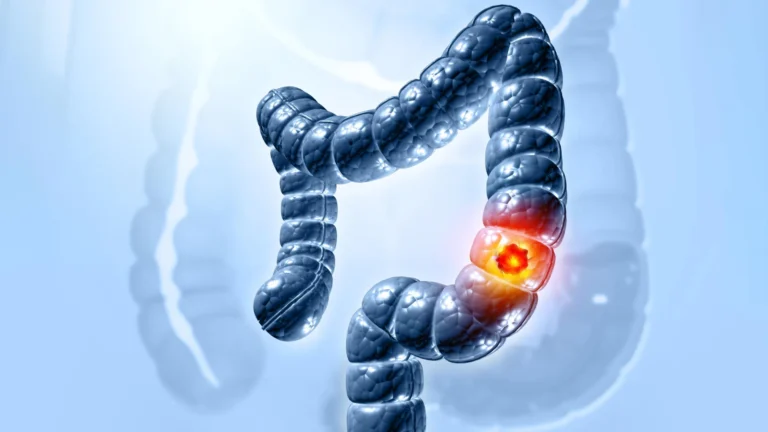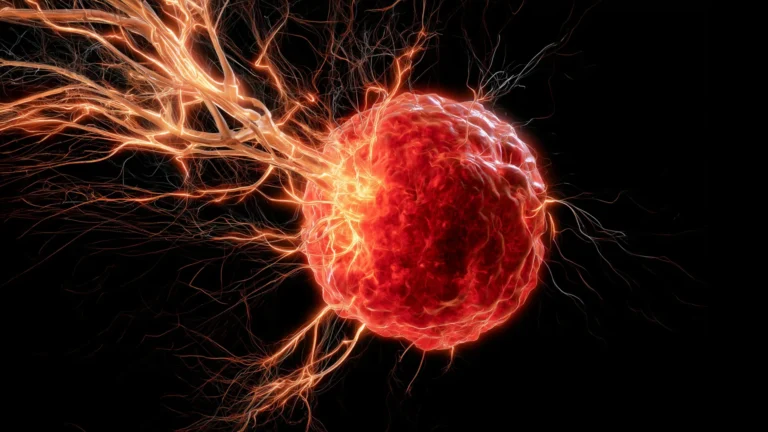











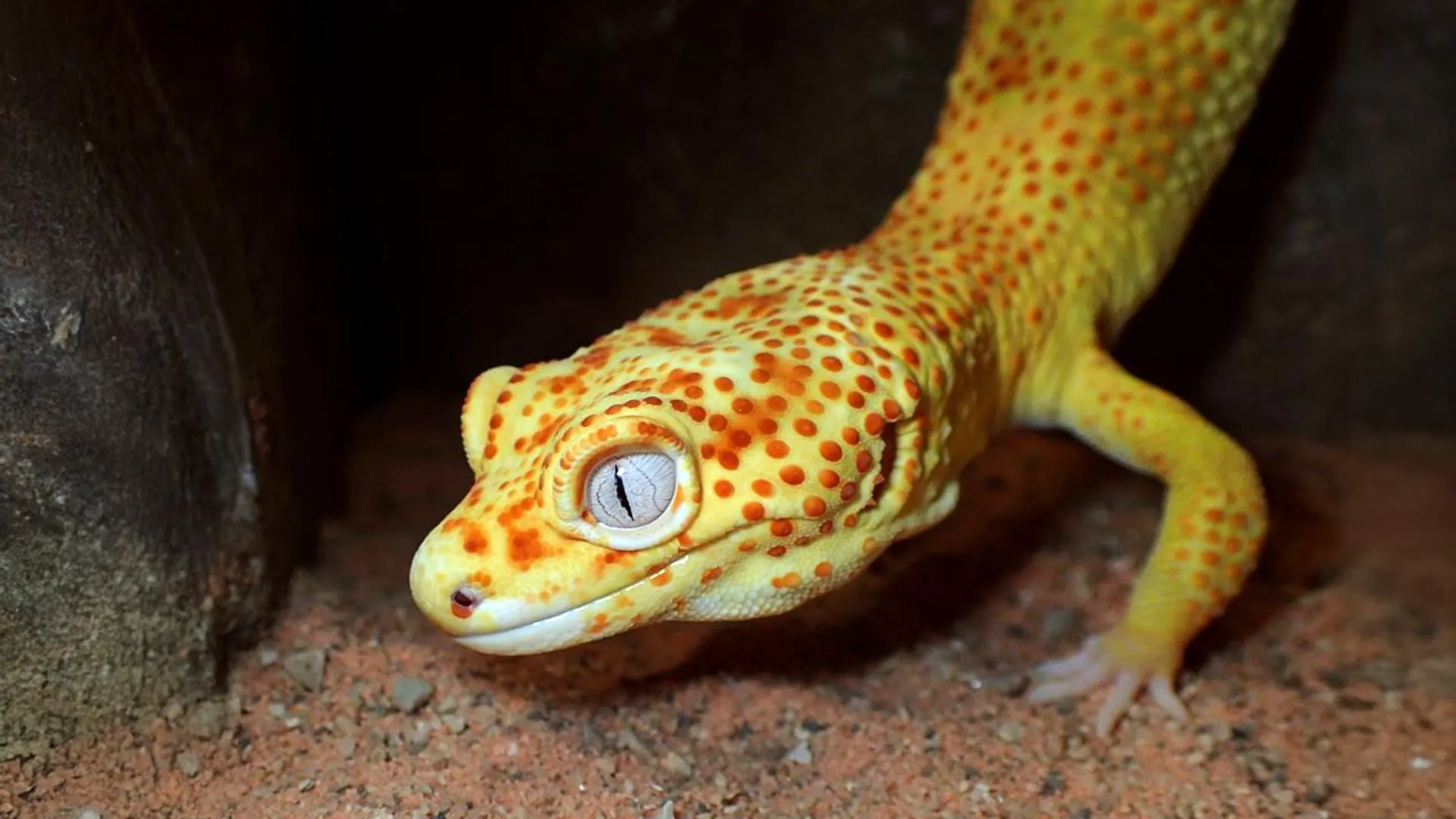
In the vast and intricate laboratory of the natural world, the answers to humanity’s most persistent medical challenges are often hidden in plain sight. Scientists have long sought the "silver bullet" for cancer, relying heavily on traditional models like laboratory mice to understand tumor development. However, a recent, groundbreaking study published in BMC Biology suggests that the key to unlocking the mysteries of metastasis and oncogenesis may lie not in a Petri dish, but in a colorful, small-bodied reptile: the "Lemon Frost" leopard gecko.
Characterized by their vibrant yellow and white scales, these geckos have become a focal point for an international team of researchers. The study, led by the University of Nottingham, reveals that these animals are not merely pets; they are biological mirrors, exhibiting naturally occurring cancers that share striking genetic parallels with human tumors.
Main Facts: The Intersection of Genetics and Evolution
The "Lemon Frost" morph, a specific variety of the leopard gecko (Eublepharis macularius), is prized by enthusiasts for its aesthetic brilliance. Yet, this beauty comes at a profound biological cost. Selective breeding, intended to emphasize the gecko’s striking pigmentation, inadvertently triggered a genetic mutation that renders approximately 80% of the population highly susceptible to aggressive tumors.
Unlike conventional laboratory models, where cancer must be artificially induced through chemical exposure or genetic manipulation, the Lemon Frost gecko develops tumors spontaneously and at a relatively early stage in its life cycle. These tumors, known as iridophoromas, are not only frequent but also highly prone to metastasis—the process by which cancer spreads from its primary site to other areas of the body. This trait is particularly valuable to researchers, as it allows them to observe the natural progression, evolution, and secondary colonization of cancer in a living, breathing organism.
The study, spearheaded by Dr. Ylenia Chiari of the University of Nottingham’s School of Life Sciences, utilized whole-genome sequencing to compare the genetic makeup of cancerous tissues against healthy samples from the same animals. The results were startling: the geckos’ tumors exhibited recurring genetic signatures that map directly onto known oncogenic pathways in humans. By identifying these conserved biological pathways, researchers believe they have discovered a new "natural laboratory" that could provide unprecedented insights into the mechanics of tumor formation.
Chronology of Discovery: From Pet Trade to Peer Review
The journey from a breeder’s colony to the pages of BMC Biology represents a fascinating collision of commercial pet breeding and rigorous scientific inquiry.
- The Origin of the Morph: The Lemon Frost mutation first appeared in the leopard gecko pet trade as a byproduct of selective breeding. Breeders initially celebrated the bright white and yellow pigmentation as a genetic success.
- The Warning Signs: As the lineage became more established, breeders began reporting an alarming trend: a significant portion of these geckos were developing malignant, fast-growing tumors.
- The Collaborative Effort: Recognizing the potential medical significance of this anomaly, a multi-institutional team formed. Led by Dr. Chiari, the group included researchers from the University of Birmingham (Dr. Scott Glaberman), Marquette University (Dr. Tony Gamble), the University of Florida (Dr. Robert Ossiboff), and the University of Trieste (Virginia Gazziero and Dr. Giulio Caravagna).
- The Genomic Investigation: The team performed high-resolution DNA sequencing, treating the gecko tumors with the same analytical rigor usually reserved for human clinical oncology.
- Publication and Recognition: The findings were finalized and published in BMC Biology, officially establishing the Lemon Frost gecko as a novel, naturally occurring model for cancer research.
Supporting Data: Decoding the Genomic Blueprint
The core of the study lies in the genomic parallels identified between reptiles and mammals. By adapting sophisticated software programs—originally designed to analyze human cancer genomes—the team was able to pinpoint specific genetic mutations in the geckos that mirror those found in human oncogenesis.
The Role of Iridophores
The tumors in these geckos originate in iridophores, the pigment-containing cells that give the animals their distinct, reflective coloration. Because the mutation is linked to the very genes controlling this color expression, the cancer is inherently tied to the gecko’s phenotype. This offers a unique advantage: the tumor’s development is physically observable from its earliest stages, providing researchers with a real-time window into how cells transition from benign to malignant states.
Comparative Oncology
The research highlights a critical aspect of evolutionary medicine: cancer is not a uniquely human disease. By looking across the "tree of life," the researchers found that biological pathways governing cell cycle regulation, DNA repair, and programmed cell death (apoptosis) are remarkably conserved across millions of years of evolution. The fact that a reptile and a human can share the same oncogenic pathways suggests that the mechanisms of cancer are fundamental to complex life, making the gecko an ideal proxy for studying the "Achilles’ heel" of tumor cells.
Official Responses and Expert Commentary
The significance of this study has reverberated through the scientific community, emphasizing the importance of biodiversity in medical research.
Dr. Ylenia Chiari, the lead author of the study, emphasized the translational potential of the work: "By studying why some animals are so susceptible to cancer while others are remarkably resistant, we hope to uncover the different ways species have evolved to deal with cancer. Specifically, this gecko could become an incredible model in cancer research because tumors appear naturally at a relatively early age. Together, these natural strategies could inspire new ways of preventing, detecting, and treating cancer in humans."
Brandon Hastings, a PhD researcher on the team, highlighted the methodological innovation of the study: "Overall, our paper demonstrates the importance of looking across the tree of life in search of answers that are needed to better understand diseases that can have a profound impact on human life. Methodologically, it also highlights that the variety of genomic software programs developed to analyze human cancers can be adapted to provide meaningful insights in diverse organisms."
Dr. Scott Glaberman of the University of Birmingham added a philosophical perspective on the necessity of environmental conservation: "We often look inward to solve human problems, but every species has something to teach us. By studying both animals that are vulnerable to cancer and those that resist it, we have far greater power to understand the disease itself. This is one of the many reasons why protecting biodiversity is so important."
Implications: The Future of Cancer Research
The inclusion of the Lemon Frost leopard gecko into the canon of cancer research models marks a paradigm shift in how we approach oncology. For decades, the reliance on mice has provided foundational knowledge, but their artificial tumor models often fail to capture the complexity of spontaneous, real-world cancers.
Bridging the Translational Gap
By providing a natural model that develops metastatic disease, the gecko fills a critical gap in current research. Scientists can now study the interaction between the immune system and the tumor without the confounding factors of induced cancer models. This could lead to more accurate testing of therapeutic agents and a better understanding of why some tumors metastasize while others remain localized.
The Power of Comparative Biology
The broader implication of this study is the validation of comparative biology as a legitimate and necessary tool for clinical breakthroughs. If the genetic pathways identified in the gecko hold the key to understanding how cancer cells exploit cellular processes, researchers can target these pathways in humans with greater precision.
Conservation as a Medical Imperative
Finally, the study serves as a potent argument for the preservation of global biodiversity. If a single morph of a leopard gecko can provide such a transformative insight into the nature of cancer, the potential medical breakthroughs contained within the millions of other species on Earth are immeasurable. Every loss of a species is not just an ecological tragedy; it is the permanent loss of a potential medical discovery.
In conclusion, the Lemon Frost gecko is more than just a pet; it is a sentinel, a biological messenger, and a pioneer in the fight against one of the greatest threats to human health. As scientists continue to unravel the genome of this small reptile, they are not only uncovering the secrets of the gecko—they are uncovering the potential for new, life-saving therapies that could change the future of oncology forever. The path forward is clear: the answer to our future may well lie in the diversity of our past.