











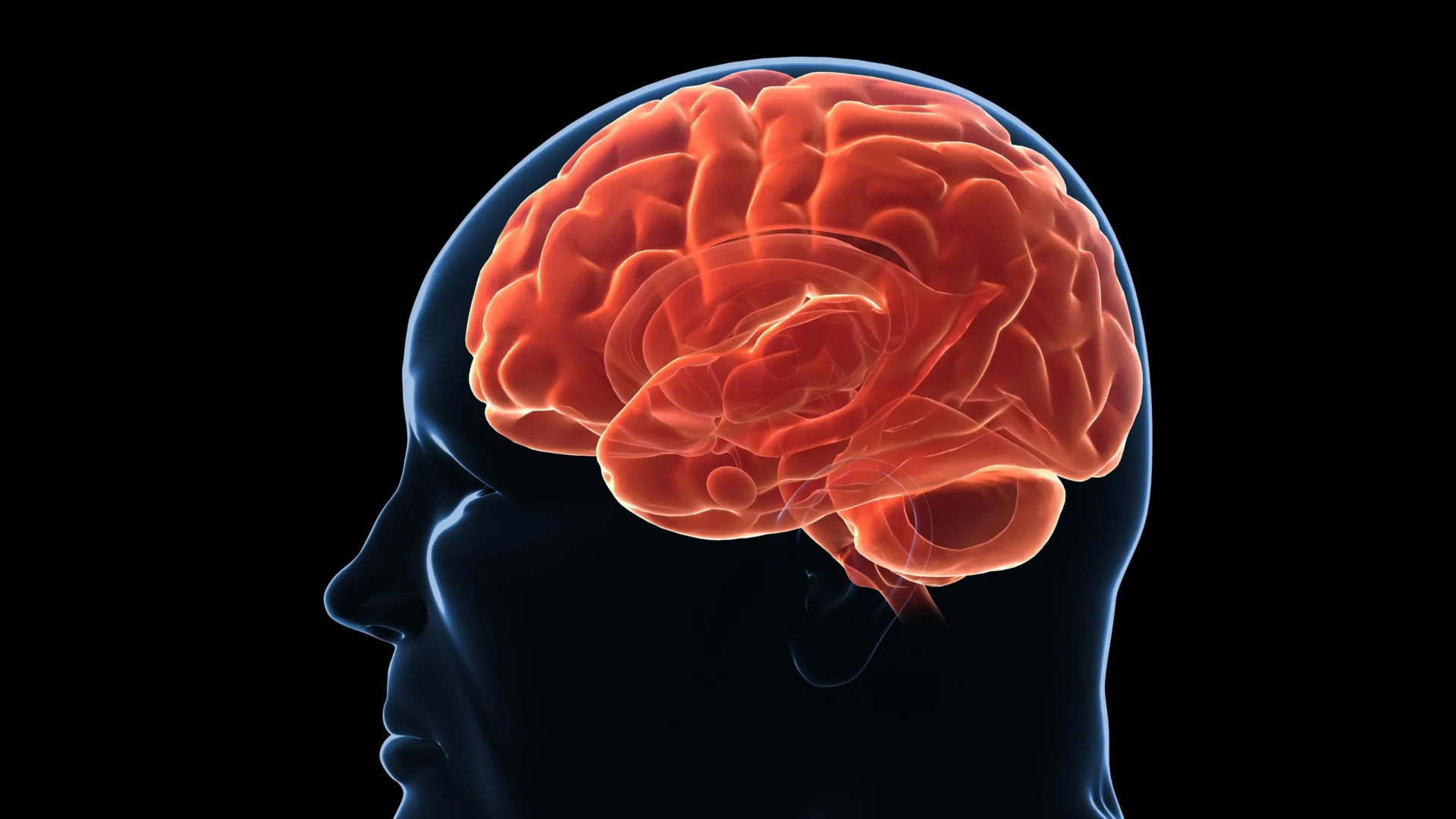
For decades, the cultural narrative surrounding obesity has been reductive and moralistic. We have been told, with unwavering confidence, that weight management is a simple equation of personal discipline: "eat less, move more." If the scale does not budge, the blame is placed squarely on the individual. However, modern neuroscience and endocrinology have dismantled this simplistic view. Science now reveals that the struggle to maintain a healthy weight is not a failure of character, but a profound biological battle against an evolutionary system designed to keep us alive in an unforgiving, ancient world.
The Evolutionary Trap: Why Biology Fights Back
To understand why the modern body resists weight loss, we must look back hundreds of thousands of years to our early human ancestors. For them, food scarcity was the primary threat to survival. In such an environment, the ability to store energy—fat—was a literal lifesaver. Those who could efficiently pack away calories and slow their metabolism during times of famine were the ones who survived to pass on their genes.
Our ancestors evolved a sophisticated, brain-centered biological defense system to guard these energy reserves. Today, in an environment characterized by the "obesity-promoting" abundance of cheap, calorie-dense, hyper-palatable foods and a lifestyle that mandates little to no physical exertion, those same survival mechanisms have become a physiological liability.
When a modern individual attempts to lose weight, the brain does not perceive a "health journey." Instead, it perceives a crisis. It interprets weight loss as a threat to survival, akin to a period of famine. In response, the body orchestrates a multi-front defense: hunger hormones like ghrelin surge, food cravings for energy-dense items intensify, and the body’s resting metabolic rate drops. This "metabolic adaptation" is the body’s attempt to reclaim the weight it believes it has lost, creating a biological inertia that makes sustained weight loss an uphill climb.
The Memory of Weight: How the Brain Defends the Set Point
Perhaps the most significant finding in recent obesity research is the brain’s ability to "remember" previous body weights. Studies indicate that the brain has internal mechanisms—a "set point"—that it feels compelled to defend. For our ancestors, this was a feature, not a bug; if a tribe member lost weight during a drought, their body would push them to regain that mass once the rains returned and food became abundant.
For modern humans, however, this mechanism is maladaptive. If an individual carries excess weight for an extended period, the brain begins to treat that higher weight as the "new normal." It treats this weight as a target to be defended, mobilizing internal resources to prevent it from dropping. This explains the classic, frustrating phenomenon of the "yo-yo" effect: the body is not failing; it is working exactly as it evolved to do. When we diet, we are fighting against millions of years of evolutionary programming.
The Pharmacological Frontier: Hacking the Biological Code
As the understanding of these biological defenses has matured, so too has our approach to treatment. The emergence of GLP-1 receptor agonists, such as Wegovy and Mounjaro, represents a sea change in metabolic medicine. These medications function by mimicking gut hormones that communicate with the brain to signal satiety and curb appetite. By "tricking" the brain into feeling full, these drugs effectively bypass the primal hunger signals that normally derail weight-loss efforts.
However, medical science is far from a "magic bullet." The reality of these treatments is complex. Clinical data shows that while many patients experience significant weight loss, a subset of the population does not respond to these medications at all. Furthermore, the side effects—ranging from gastrointestinal distress to more systemic issues—can lead to high discontinuation rates. Perhaps most importantly, studies show that when the medication is stopped, the underlying biological "set point" often reasserts itself, leading to rapid weight regain.
Future research is now focused on "second-generation" therapies. The goal is to move beyond mere appetite suppression and develop treatments that can fundamentally reset the body’s metabolic memory, potentially allowing for permanent weight reduction even after the treatment concludes.
Shifting the Paradigm: Health Beyond the Scale
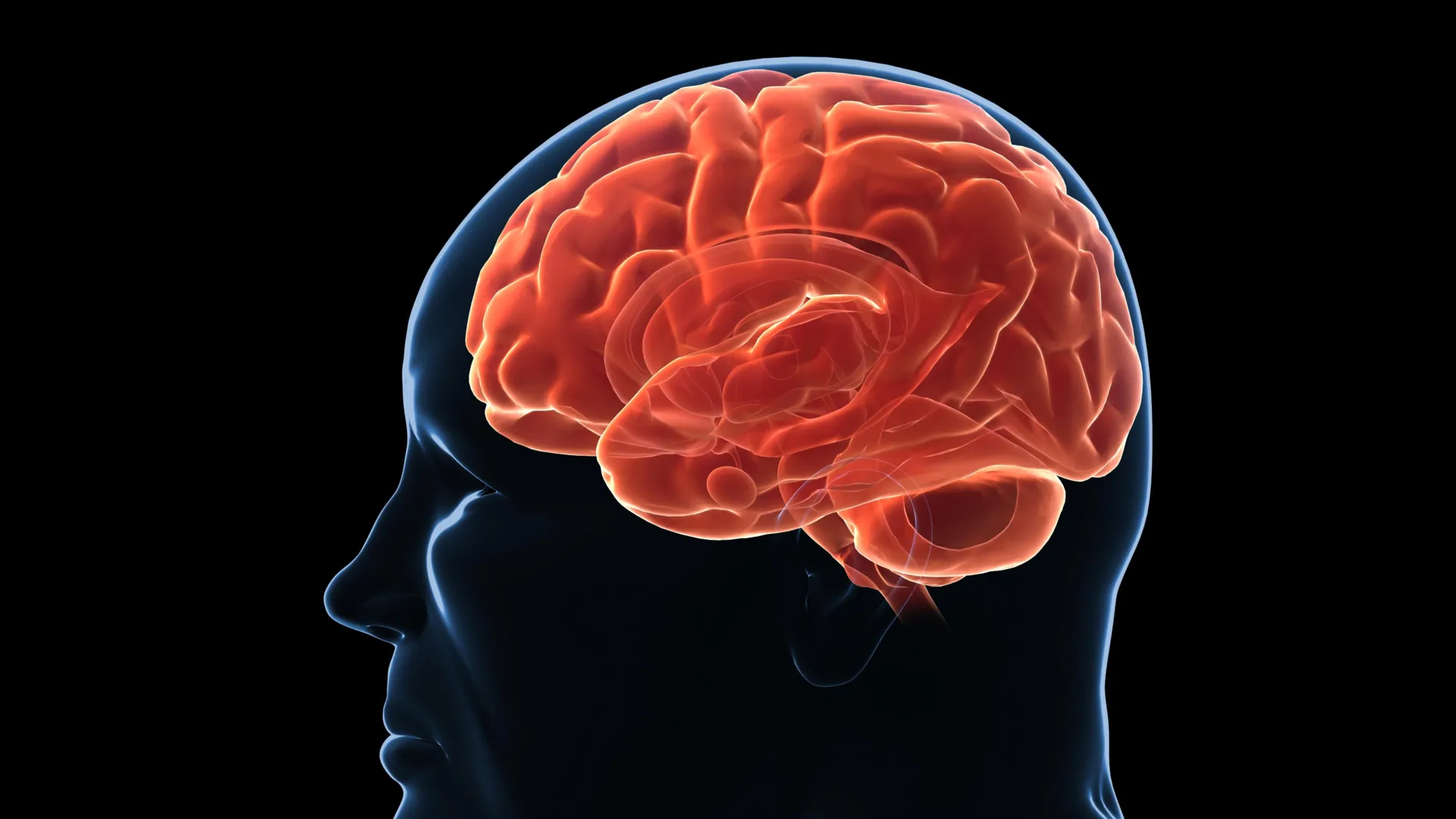
Amidst these medical advancements, researchers are also challenging the obsession with the number on the scale. There is a growing consensus that "a good weight" is not the same as "good health."
Clinical evidence suggests that metabolic health—characterized by blood pressure, insulin sensitivity, and cardiovascular function—can be significantly improved through lifestyle changes, even if body mass remains stable. Prioritizing high-quality sleep, reducing chronic stress, increasing non-exercise activity (such as walking), and improving nutritional density can yield profound health benefits. This shift emphasizes "metabolic fitness" over aesthetic outcomes, providing a more sustainable and less psychologically damaging framework for health.
A Societal Approach: Addressing the Root Causes
If obesity is a biological condition rather than a moral failing, the responsibility for addressing it must extend beyond the individual. A public health approach is essential to mitigate the "obesogenic" environment we have created.
Policy experts are increasingly advocating for structural interventions. This includes:
- Nutritional Standards: Mandating healthier options in school meal programs to establish healthy metabolic habits early in life.
- Regulation of Marketing: Restricting the aggressive advertising of ultra-processed, calorie-dense foods to children.
- Urban Design: Creating "walkable" cities where physical activity is integrated into daily life rather than being an optional, "extra" activity.
- Standardized Portions: Implementing policies that encourage restaurants to provide more realistic, standardized portion sizes.
Furthermore, scientists are focusing on the "critical windows" of development. Research from the prenatal stage through age seven has shown that this period is a "malleable" phase for the human weight-regulation system. Parental nutrition, breastfeeding versus formula feeding, and early childhood lifestyle habits can essentially "program" how the brain regulates appetite and fat storage for decades to come. By intervening during these formative years, we may be able to lower the prevalence of obesity for future generations.
Implications and the Future of Weight Management
The implications of these findings are profound. If we accept that the brain is a "formidable opponent" in the fight against weight gain, the way we treat patients must shift from blame to clinical support.
For the individual, the takeaway is one of relief: the struggle is not a personal failure. It is a biological reality. Moving forward, the most effective strategy involves abandoning the "crash diet" mentality in favor of sustainable, habit-based approaches that prioritize long-term metabolic health over short-term weight loss.
For society, the path forward requires a shift in priorities. We must stop viewing obesity as a symptom of laziness and start viewing it as a public health crisis caused by the mismatch between our ancient biology and our modern environment.
As we look toward the future, the combination of breakthrough pharmacology, a better understanding of developmental biology, and structural societal changes offers a new hope. We are finally beginning to change the rules of the game, acknowledging that while we cannot change our evolutionary history, we can build a world and a medical toolkit that helps us work with our biology rather than against it. The era of blaming the individual is ending; the era of science-based, compassionate care is beginning.