











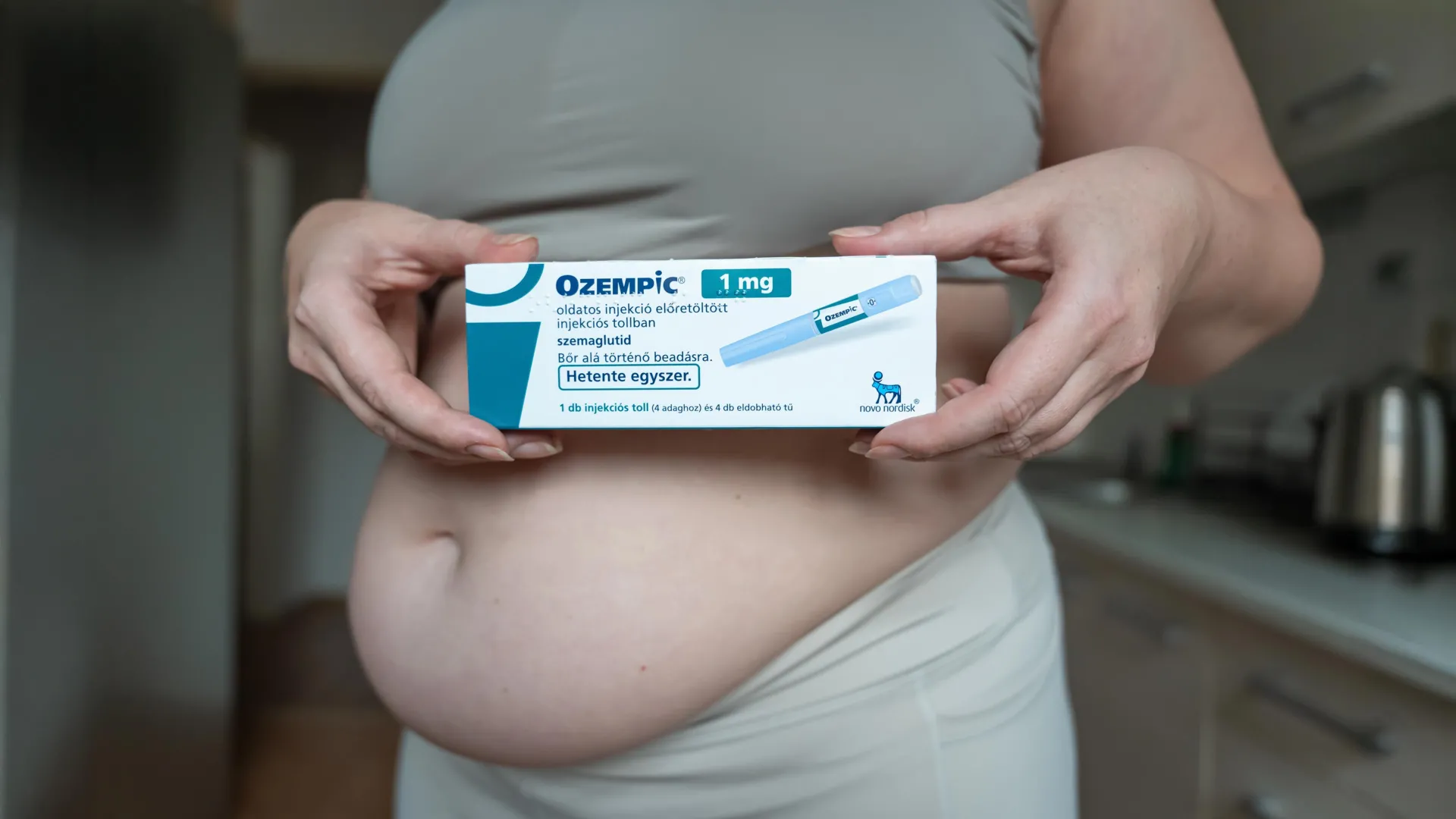
A massive, multi-year study encompassing more than 750,000 pregnancies has provided a crucial, nuance-filled update to the ongoing debate regarding the safety of blockbuster GLP-1 receptor agonist (GLP-1 RA) medications during early pregnancy. As prescriptions for drugs like Ozempic and Wegovy reach historic highs, the study—published in the journal Human Reproduction Open—offers a vital distinction that may change how clinicians counsel patients: the risk of premature birth appears to be tied to a patient’s underlying diagnosis rather than the medication itself.
Main Facts: Disentangling Medication from Metabolic Health
The investigation, conducted by researchers at the Copenhagen University Hospital Hvidovre, sought to determine if accidental exposure to GLP-1 RAs—semaglutide (Ozempic, Wegovy) and liraglutide (Saxenda)—during the periconceptional period posed significant risks to fetal development and pregnancy outcomes.
The primary finding is a striking divergence in outcomes based on the indication for the prescription. Women who were prescribed these medications to manage type 2 diabetes faced a significantly higher risk of preterm birth (delivery before 37 weeks) compared to unexposed counterparts. However, when researchers examined women taking the exact same medications for weight management, that elevated risk of premature delivery vanished.
This suggests that the physiological stress of diabetes, rather than the pharmacologic mechanism of the GLP-1 drug, is the likely driver of early delivery. While the study brings a degree of reassurance to those using the drugs strictly for weight loss, it underscores the persistent, high-stakes medical management required for pregnant patients with pre-existing metabolic conditions.
A Chronological Look at the Data
To arrive at these conclusions, the research team performed an exhaustive analysis of Denmark’s comprehensive national health registries. The study period spanned over 14 years, from October 1, 2009, to December 31, 2023.
Study Parameters and Scope
The researchers identified 756,636 single-baby pregnancies among 480,231 women. Within this massive dataset, they isolated 529 pregnancies where the mother had filled a prescription for a GLP-1 RA within the "window of concern"—defined as the eight weeks leading up to and the eight weeks following the first day of the last menstrual period.
This 16-week window is critical, as it covers both the period before a woman might be aware of her pregnancy and the early stages of organogenesis, when the fetus is most vulnerable to external chemical interference.
Controlling for Confounding Variables
To ensure the integrity of the data, the researchers utilized a rigorous adjustment model. They accounted for a wide array of potential confounding factors that could skew results, including:
- Maternal demographics: Age, socioeconomic status, and education level.
- Lifestyle factors: Smoking status and body mass index (BMI).
- Temporal factors: Seasonality and the year of the pregnancy to account for shifts in clinical practice over the decade-long study.
Supporting Data: The Statistical Breakdown
The raw numbers highlight why distinguishing between patient populations is essential. Initial data suggested an across-the-board increase in complications for all women exposed to GLP-1 RAs. However, once researchers adjusted for maternal health factors, most of these associations disappeared.
The Diabetes-Preterm Birth Link
The most significant lingering association was the risk of premature birth among the diabetic cohort.
- Liraglutide users (Diabetes): Adjusted odds of preterm delivery were 70% higher than the control group.
- Semaglutide users (Diabetes): Adjusted odds of preterm delivery were 84% higher than the control group.
Conversely, the data for those using the medications for weight loss showed no statistically significant correlation with preterm birth, pre-eclampsia, gestational diabetes, or stillbirth. This indicates that while the medication may be present, the pathology of diabetes—often characterized by higher blood sugar fluctuations and inflammation—remains the primary clinical concern for preterm labor.
The Question of Compliance
A common criticism of observational studies involving pharmacy records is the inability to prove the patient ingested the medication. However, the researchers noted that given the high out-of-pocket costs associated with these drugs—even with Danish government subsidies—it is highly probable that the medication was used as prescribed. As Dr. Kathrine Hviid, the study’s lead author, noted, the financial barrier to entry suggests that those who filled the prescriptions were highly committed to the treatment regimen.
Official Responses and Expert Commentary
The medical community has received these findings with a mix of relief and caution. Professor Henriette Svarre Nielsen, who headed the study at the Department of Gynecology and Obstetrics at Copenhagen University Hospital Hvidovre, emphasized that while the data is a leap forward, it is not a "green light" for the use of GLP-1 RAs during pregnancy.
"Current guidance suggests the treatment should be stopped eight weeks prior to planning a pregnancy," Professor Nielsen noted. "This is based on early-phase model organism studies, and not real-world evidence. However, because of the medication’s widespread adoption, inadvertent exposure is inevitable."
External Perspectives
Drs. Yeyi Zhu and Monique Hedderson, writing for Kaiser Permanente, praised the study as a cornerstone for future reproductive health discussions. In their commentary, they argued that the findings allow for "more balanced, individualized discussions." They noted that for patients with diabetes, the study reinforces the necessity of prioritizing glycemic control as a foundational element of obstetric care. By isolating the diabetes variable, the study helps clinicians move away from blanket warnings and toward a more tailored, patient-centered approach to prenatal health.
Implications: A New Era for Clinical Counseling
The implications of this study are multifaceted, affecting everything from how pharmaceutical companies conduct trials to how obstetricians speak with their patients.
Reframing Preconception Counseling
Historically, the surge in GLP-1 popularity has caught the medical community off-guard. Because these drugs were initially tested in populations where pregnancy was an exclusion criterion, data on human fetal development remains scarce. This study suggests that future clinical counseling should be bifurcated:
- For Weight Management Patients: The absence of a strong association with adverse outcomes provides a baseline for reassurance if exposure occurs, though it does not eliminate the need for careful monitoring.
- For Diabetic Patients: The data serves as a sobering reminder that diabetes is a high-risk pregnancy factor. It necessitates a shift toward intensive pre-conception planning to manage metabolic health, independent of the drug’s potential side effects.
Future Research Directions
Professor Nielsen and her team are clear that this study is an observational analysis, not a clinical trial. It identifies associations, but it cannot establish definitive causality. The next frontier in reproductive medicine will require:
- Randomized Controlled Trials (RCTs): Although ethically complex, they remain the gold standard for establishing safety.
- Large-Scale Meta-Analyses: Combining the Danish registry data with similar databases from other nations to increase the sample size of "exposed" pregnancies.
- Long-term Developmental Monitoring: Tracking infants exposed to these drugs in utero to determine if there are any long-term metabolic or developmental impacts that do not manifest at birth.
The Bottom Line for Patients
For the thousands of women currently taking GLP-1 RAs, the advice remains largely unchanged: Consult your physician immediately if you become pregnant or are planning to do so.
While the study offers a crucial nuance—suggesting that the medication itself may not be the primary driver of premature birth in non-diabetic patients—it does not provide a definitive safety profile. The medical community remains in a state of "cautious inquiry." Until more longitudinal data is available, the standard of care remains the discontinuation of these medications prior to conception.
As the landscape of obesity and diabetes treatment continues to evolve, this study serves as a critical reminder that patient history and underlying health status are just as important as the pharmaceutical innovations being used to treat them. The future of reproductive health in the age of GLP-1s will be defined by this kind of granular, data-driven analysis, ensuring that as medical technology advances, the safety of the next generation remains the top priority.