







As the calendar turns from September to October, Pain Awareness Month draws to a close. For the general public, the transition signals a shift in seasonal awareness campaigns. However, for more than 60 million Americans, the challenges associated with chronic pain do not adhere to a calendar. For this vast segment of the population, pain is a 365-day-a-year reality, characterized by persistent physical sensation, psychological strain, and the ongoing navigation of a healthcare system that often struggles to provide definitive answers.
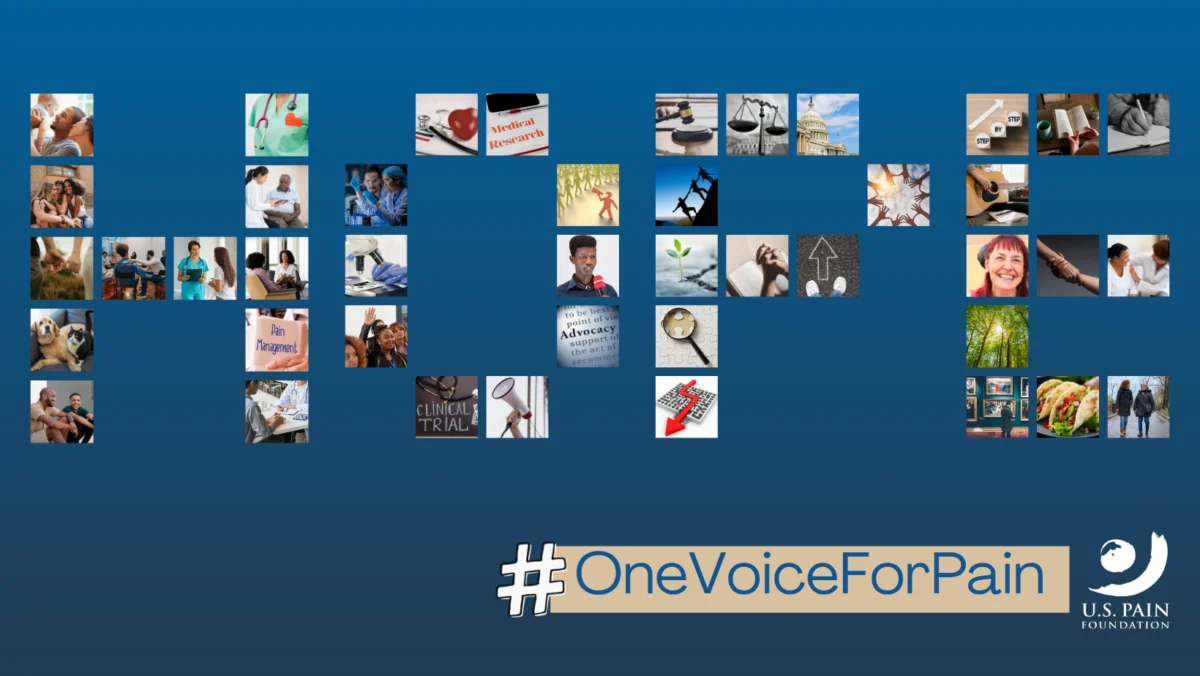
While September serves as a vital platform to highlight the movement—encompassing "All Ages, Countless Diagnoses, Millions of Stories"—the cessation of the month does not diminish the urgent need for empathy, systemic progress, and, most importantly, hope. In the wake of this year’s awareness efforts, a deeper examination of the lived experience reveals that hope is not a monolith; it is a multifaceted, often fragile, and deeply personal lifeline.
The Magnitude of the Crisis: Supporting Data
The statistics surrounding chronic pain in the United States are sobering. According to data from the Centers for Disease Control and Prevention (CDC), approximately 20% of U.S. adults live with chronic pain, with a significant subset suffering from "high-impact" chronic pain that limits life and work activities.
The economic burden of this crisis is estimated to be in the hundreds of billions of dollars annually, accounting for direct medical costs and lost productivity. Yet, these numbers fail to capture the human element: the isolation, the loss of identity, and the exhausting search for relief. As we move forward, it is critical to recognize that chronic pain is not merely a medical diagnosis; it is a pervasive life-altering condition that requires a comprehensive, holistic approach to treatment and societal understanding.
Chronology of the Struggle: A Life Redefined
The journey of a person living with chronic pain is rarely linear. It often begins with an injury or an undiagnosed systemic issue, followed by a "diagnostic odyssey"—a period of months or years where patients move from specialist to specialist seeking a name for their suffering.
- The Onset: The initial phase is marked by the trauma of physical limitation and the sudden disruption of daily routines.
- The Search: This period is often defined by frustration, as patients frequently encounter a medical system that relies heavily on diagnostic imaging and blood work, which may not always reveal the source of neuropathic or complex pain.
- The Adaptation: Over time, individuals often enter a phase of "redefining normalcy." They learn to calibrate their activities, manage energy levels, and find new sources of purpose that do not require the physical capacity they once possessed.
- The Persistence: This is the current, ongoing phase for many, where the goal shifts from a "cure" to "management and quality of life."
Pillars of Resilience: What Keeps the Movement Forward
During the recent Pain Awareness Month initiatives, researchers and advocates asked a foundational question: What gives you hope or keeps you moving forward? The responses were as diverse as the diagnoses themselves, yet they clustered into several distinct pillars of human resilience.
1. The Power of Human Connection
For the majority of respondents, the primary source of strength is found in their immediate ecosystem. Whether it is a partner who shares the burden of disability, a supportive family, or the non-judgmental presence of a pet, these connections provide a sense of stability.
Niki, 54, highlights the role of communal support, noting that her involvement in recovery groups and church communities has provided a framework for living with joy despite physical limitations. Others, like Kari, 37, find hope in "glimmers"—the small, transient moments of normalcy, such as watching a child play, which offer a brief respite from the constant presence of pain.
2. Validation: The Clinical Turning Point
A recurring theme in the testimonies was the vital importance of the patient-provider relationship. For many, the greatest barrier to progress is the feeling of being disbelieved. When a doctor or therapist validates a patient’s experience, it transforms the treatment landscape.
Erica, 45, shares that her therapist’s focus on goal modification rather than just symptom elimination has been life-changing. Conversely, the absence of this validation is deeply damaging. As Bobbie, 42, poignantly observed, the presence of even a single compassionate nurse can be the difference between despair and the willingness to return for necessary, albeit difficult, medical appointments.
3. The Promise of Research and Innovation
While the current state of care is often criticized, there is a tangible sense of optimism regarding the future of pain science. Patients noted that conditions like fibromyalgia—which were once dismissed or poorly understood—are now receiving greater scientific scrutiny.
"I am hopeful because fibromyalgia is much more understood now than it was 18 years ago," says Debbie, 68. This sentiment is echoed by younger patients like Daisy, 13, who maintain a hopeful outlook that medical technology will eventually catch up to their needs. This expectation of progress—whether through new pharmacology or non-invasive neuro-modulation devices—serves as a primary driver for those who have yet to find relief.
Advocacy as a Transformative Act
Perhaps the most profound takeaway from the month’s discussions is the role of advocacy. Many people living with chronic pain have transitioned from being "patients" to being "advocates." By sharing their stories and speaking up about the systemic failures of the healthcare system, they turn their suffering into a tool for change.
Sammie, 31, notes that advocacy allows her to "make sense of what happened," effectively converting personal trauma into a collective good. This suggests that for many, finding meaning in the pain is the most effective form of pain management, offering a sense of purpose that the pain itself tries to strip away.
Official Responses and Systemic Implications
Public health officials and medical boards have increasingly recognized that the "Pain Crisis" is a two-fold problem: the need for better pharmacological solutions and the need for a more empathetic, biopsychosocial approach to care.
Leading medical organizations are now advocating for "interdisciplinary pain management," which integrates physical therapy, psychological support, and medication management. The implication is clear: treating pain solely as a physiological event is insufficient. The future of care must address the mental health, social isolation, and financial stability of the patient simultaneously.
Acknowledging the "Invisible" Despair
It is essential to address the voices for whom hope feels unattainable. The survey responses were not uniformly positive; some respondents expressed deep, raw, and understandable feelings of hopelessness.
"Nothing gives me hope. I just survive day to day," wrote one anonymous contributor. This honesty is not a failure of the individual, but a failure of the current system to reach them. These voices serve as a moral imperative for policymakers and medical researchers to accelerate their efforts. As long as there is a patient who feels they are merely "surviving," the mission of the chronic pain community remains incomplete.
Conclusion: Carrying the Torch Beyond September
As we move beyond the dedicated awareness month, the challenge is to prevent these narratives from fading into the background. The #OneVoiceForPain movement represents a shift toward a more inclusive, empathetic, and research-driven future.
Whether it is the "small victories" celebrated by those like Beth, 72, or the high-level advocacy efforts of those working to change healthcare policy, every action contributes to a larger tapestry of resilience. Hope is not a passive emotion; it is an active, ongoing construction. It is built in the small moments of kindness, the persistent search for the right provider, and the courageous choice to keep trying even when the odds feel insurmountable.
Ultimately, the goal is to create a society where people living with chronic pain do not have to rely on extraordinary levels of personal grit just to function. By fostering a culture of listening, learning, and systemic reform, we can ensure that every individual—regardless of their diagnosis—has access to the support, the science, and the humanity they deserve.