





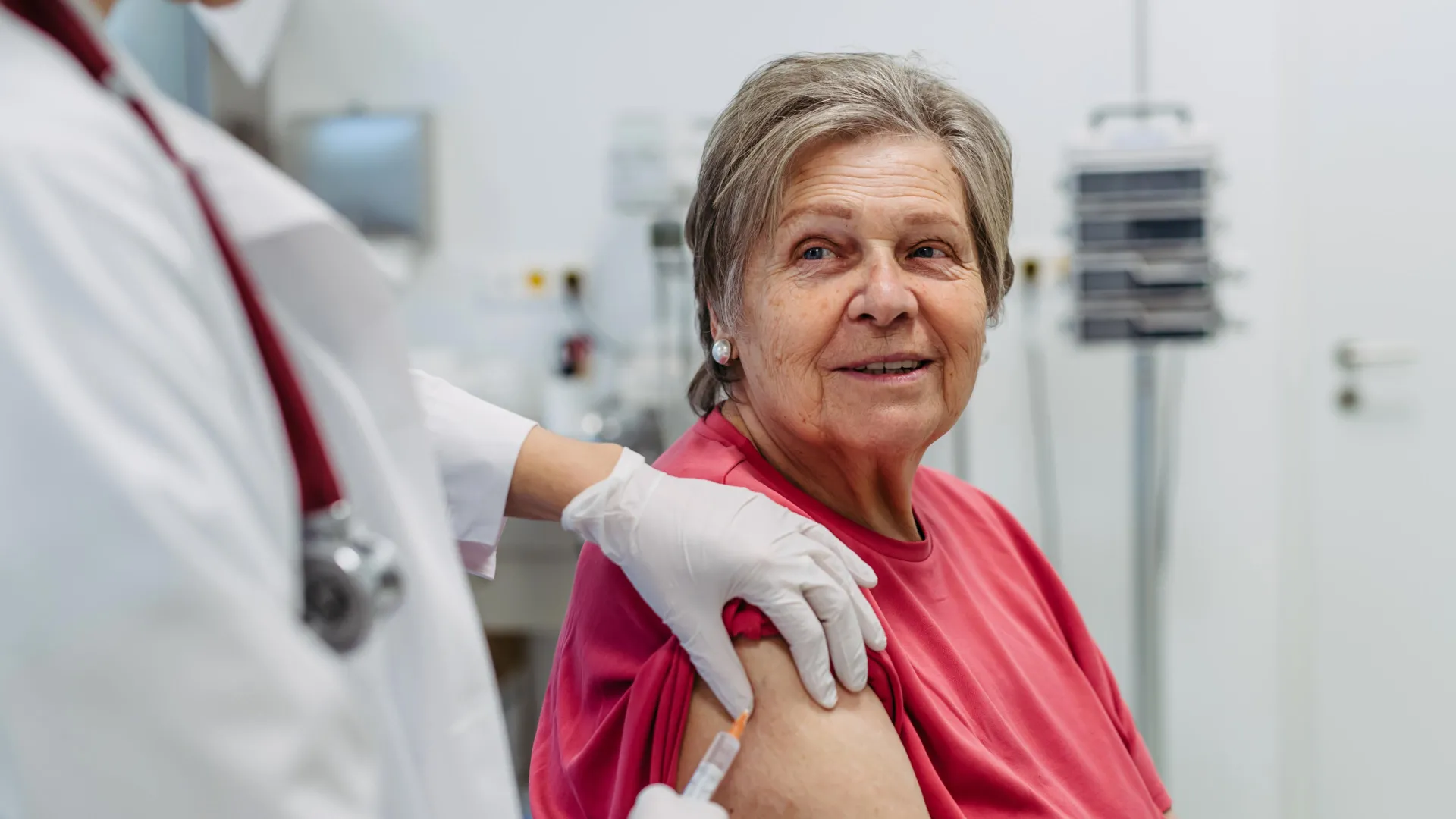
A groundbreaking study published in the Annals of Internal Medicine has added a compelling new chapter to the ongoing research surrounding the link between systemic inflammation, viral prevention, and cognitive decline. According to the research, older adults residing in skilled nursing facilities who received the recombinant zoster vaccine (RZV), commonly known as Shingrix, showed a significantly lower incidence of dementia diagnoses over a four-year period. The findings suggest that the vaccine, primarily designed to prevent the painful viral rash caused by the reactivation of the varicella-zoster virus, may possess secondary "neuroprotective" benefits.
As the global population ages, the search for interventions that can delay or prevent the onset of dementia has reached a fever pitch. This study, led by researchers at Brown University, provides a potential, low-cost tool in that arsenal, suggesting that safeguarding the body from shingles may be a crucial strategy for shielding the brain as well.
The Core Findings: A 24% Risk Reduction
The study’s headline statistic is striking: vaccinated adults exhibited a 24% lower risk of developing a dementia diagnosis compared to their unvaccinated counterparts. Over a four-year follow-up window, researchers tracked more than 500,000 Medicare beneficiaries aged 66 and older who had been admitted to skilled nursing facilities for either short-term rehabilitation or long-term custodial care.
The raw data revealed that among those who received at least one dose of the Shingrix vaccine, dementia was diagnosed in 18.8% of participants. In contrast, the unvaccinated group saw a 24.6% incidence rate of dementia. Dr. Kaley Hayes, an assistant professor at Brown University’s School of Public Health and the study’s lead author, noted that this data translates to a tangible clinical outcome: roughly one in every 17 dementia cases could potentially be prevented through the widespread administration of the vaccine in this vulnerable demographic.
A Timeline of Research: From Early Signals to Modern Emulation
The investigation of the relationship between shingles and cognitive health is not new, but this study represents a significant leap forward in methodology and focus.
The Historical Context
Previous research had already established a correlation between older, live-attenuated shingles vaccines and a reduced risk of cognitive decline. However, those studies were often criticized for relying on older technology and patient populations that did not represent the specific challenges of the nursing home environment.
The Introduction of Shingrix (2017)
The landscape of shingles vaccination changed dramatically in 2017 with the introduction of Shingrix (RZV). Unlike its predecessor, Shingrix is a non-live, recombinant vaccine that provides a more robust immune response, particularly in older adults whose immune systems have begun to weaken—a process known as immunosenescence.
The Methodology: Target Trial Emulation
Because a randomized, placebo-controlled trial—the gold standard of medical research—would be ethically difficult to conduct in a nursing home population for this purpose, the researchers utilized "target trial emulation." This statistical technique allows scientists to use observational data from electronic health records and Medicare claims to mimic the conditions of a randomized trial. By creating a rigorous framework to account for "confounding factors"—such as the fact that healthier people are more likely to seek out vaccines—the researchers aimed to isolate the impact of the vaccine itself.
Supporting Data: Examining the Half-Million Patient Cohort
The sheer scale of the study lends significant weight to its conclusions. The research team analyzed data from over 5,500 skilled nursing facilities across the United States between 2017 and 2022.
Patient Eligibility and Screening
To ensure the integrity of the results, the researchers applied strict inclusion criteria:
- Age: Participants were 66 or older.
- Health Status: None of the 509,926 participants had a prior diagnosis of dementia at the start of the study.
- Vaccination Status: Researchers compared those who received at least one dose of Shingrix against a control group that remained unvaccinated during the observation period.
Despite the vast number of people analyzed, only 8,843 individuals received the vaccine. This disparity underscores a significant gap in healthcare delivery: even among a population that stands to benefit immensely from protection against shingles, the vaccination rate remains notably low.
Adjusting for "Healthy User Bias"
One of the most persistent challenges in vaccine research is "healthy user bias." It is common for individuals who are more health-conscious, better educated, or more actively engaged with their primary care physicians to seek out vaccines. These same individuals are also more likely to exercise, eat better, and engage in cognitive activities, all of which lower dementia risk. The Brown University team performed complex adjustments to their statistical models to account for these variables, yet the association between the vaccine and lower dementia rates persisted, suggesting that the effect is not merely a result of the patients’ pre-existing health habits.
Official Perspectives: The Experts Weigh In
Dr. Kaley Hayes and her colleagues, including researchers from the University of Delaware and the Providence Veterans Affairs Medical Center, view these findings as a piece of a much larger, emerging puzzle.
"It fits into this large puzzle that’s just starting to come together that the vaccines are effective at preventing shingles and also appear to have neuroprotective benefits as well," said Dr. Hayes. She emphasizes that the study serves as a "clear clinical point in care." By identifying the moment a patient enters a skilled nursing facility as an ideal time to administer the vaccine, the study provides a practical guideline for geriatric care providers.
The Role of Inflammation
The mechanism behind this potential protection is a subject of intense scientific debate. The prevailing theory is that systemic inflammation caused by viral infections—or the body’s chronic, low-level fight against dormant viruses like varicella-zoster—may contribute to the neuroinflammation that characterizes Alzheimer’s disease and other forms of dementia. By preventing the reactivation of the virus, the vaccine may be silencing a significant driver of inflammation, thereby preserving cognitive function.
Conflict of Interest Disclosures
It is standard practice in medical journalism to note potential conflicts of interest. The authors disclosed that the study received funding from GlaxoSmithKline (GSK), the manufacturer of Shingrix. However, the researchers emphasized that the funding entity had no influence over the study design, the analysis of the data, or the final decision to publish the results. The peer-review process of the Annals of Internal Medicine serves as a check to ensure that such financial associations do not compromise the integrity of the findings.
Implications: A New Strategy for Brain Health
The implications of this study are vast, touching upon public health policy, clinical practice, and future research directions.
A Call for Increased Vaccination
If the link between Shingrix and reduced dementia risk is confirmed through future trials, the vaccine could transition from being viewed as a preventative measure for a painful rash to a fundamental intervention for long-term cognitive health. Currently, shingles vaccination rates in nursing facilities are suboptimal. This study provides a compelling argument for nursing home administrators and primary care physicians to prioritize shingles vaccination as a routine component of geriatric care.
The Need for Causality
While the findings are promising, the researchers are careful to state that the study cannot definitively prove "cause and effect." Because this was an observational study, there is always the possibility of unknown factors that influence both vaccination likelihood and cognitive decline. To move from association to causation, prospective randomized clinical trials are required. Such studies would specifically look at cognitive outcomes as a primary endpoint, providing a clearer picture of how—and to what extent—the vaccine protects the brain.
Bridging Physical and Cognitive Care
Perhaps the most significant takeaway from the study is the blurring of the line between physical and cognitive health. As Dr. Hayes noted, "Our cognition is so tied to our overall health and what happens to us physically." The discovery suggests that by treating the body—in this case, through immunization—we may be inadvertently protecting the most complex organ of all: the human brain.
As society continues to navigate the rising tide of dementia, the potential for existing, safe, and accessible vaccines to serve as a line of defense is an encouraging development. If the "neuroprotective" hypothesis holds up under further scientific scrutiny, the humble shingles vaccine could prove to be one of the most effective tools in the modern effort to preserve the dignity and mental clarity of our aging population.