








For centuries, the quest for the "fountain of youth" has focused on diet, genetics, and environment. Yet, as researchers peer deeper into the biological mechanisms of the human body, the focus is shifting from external lifestyle factors to the internal, microscopic sentinels that guard our health: the immune system. A groundbreaking study published in the journal Cell Reports has unveiled a compelling possibility—that the secret to reaching the age of 110 and beyond may lie in an immune system that refuses to retire.
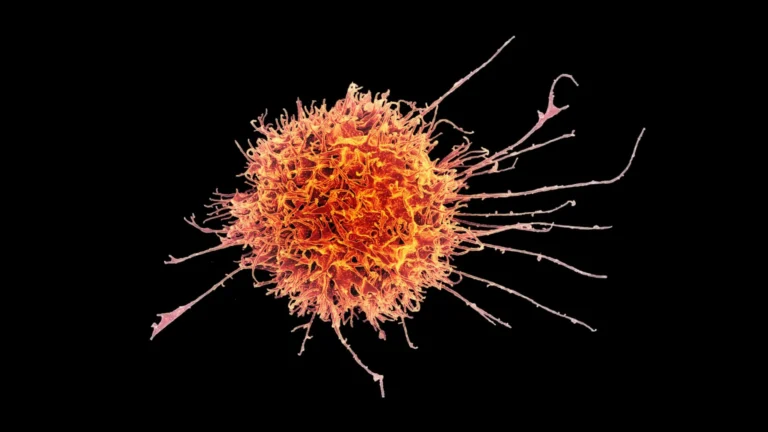
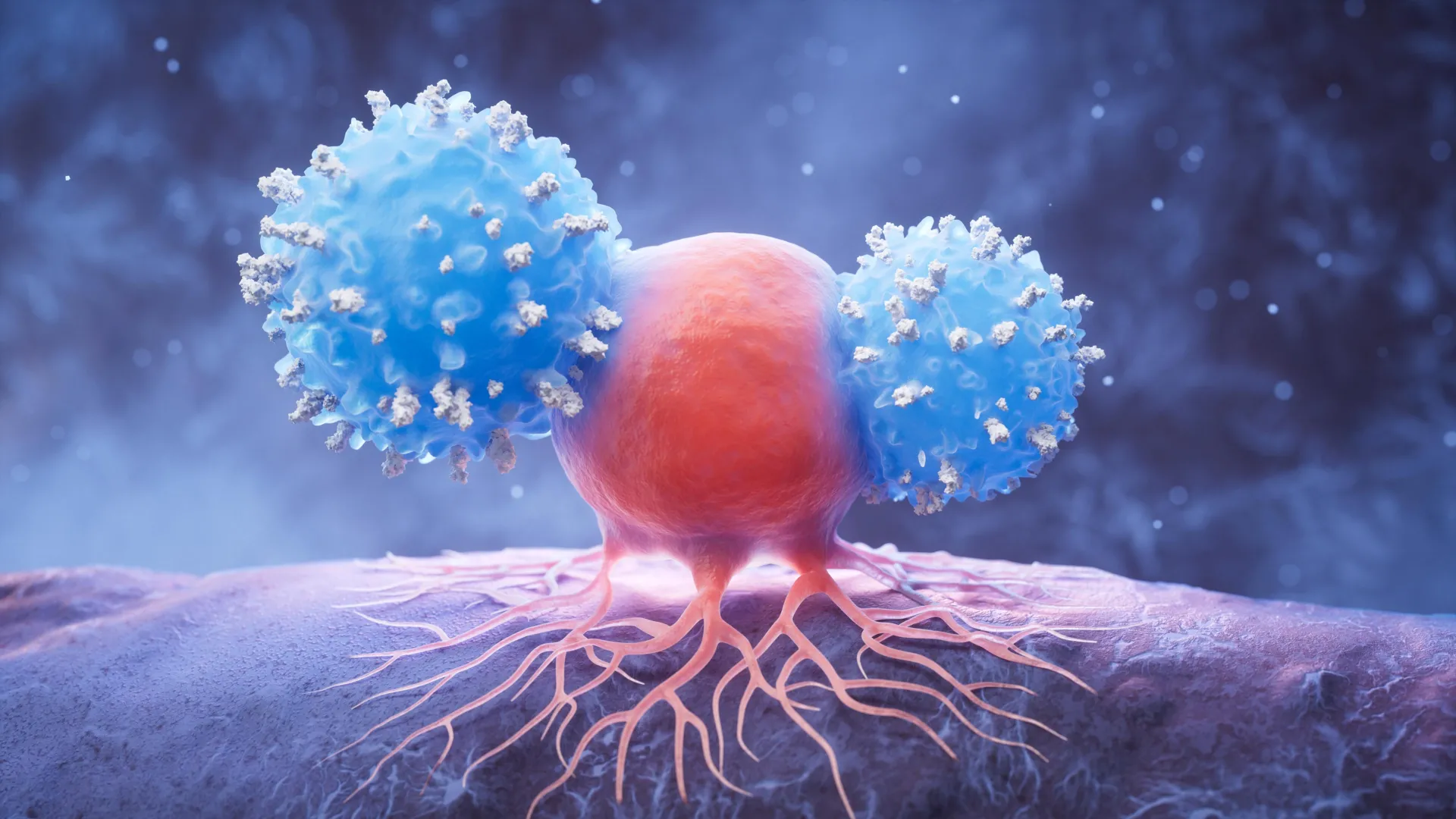
According to researchers at the University of Osaka, supercentenarians—those rare individuals who surpass 110 years of age—possess a unique immune signature characterized by an abundance of highly specialized cells known as CD4 cytotoxic T lymphocytes (CD4 CTLs). Rather than suffering from a systemic decline, the immune systems of these individuals appear to remain in a state of perpetual, adaptive evolution.
The Paradigm Shift: Immune Aging as Adaptation
Historically, gerontologists and immunologists have viewed the aging of the immune system, or "immunosenescence," as a process of inevitable decline. It was widely believed that as humans aged, the immune system lost its diversity, its ability to respond to novel pathogens, and its capacity to police the body for cancerous mutations.
However, the findings led by first author Kosuke Hashimoto, an associate professor at the University of Osaka, challenge this deterministic view. "Immune aging is not simply a process of decline," Hashimoto states. "The selective expansion of certain T cells suggests that, even in extreme old age, the immune system may continue to adapt to age-related challenges."
By demonstrating that the immune system remains active and responsive well into the second century of life, the research suggests that longevity may be as much a product of active, aggressive immune maintenance as it is of genetic luck.
Chronology of Discovery: From Observation to Genetic Mapping
The study, which utilized blood samples from 28 participants, was meticulously structured to compare immune health across three distinct age brackets: the "young-old" (70–99), centenarians (100–109), and the supercentenarians (110+).
The Progression of CD4 CTL Levels
The data revealed a striking, linear correlation between age and the concentration of CD4 CTLs. In the youngest cohort (70–99), these cells accounted for a median of only 4% of the total T-cell population. This figure more than doubled to 9.6% in the centenarian group. When researchers analyzed the supercentenarians, the proportion climbed significantly higher, reaching a median of 17.6%.
This gradient suggests that the expansion of these specialized cells is not a random occurrence but a systemic physiological response that accelerates as humans enter their centennial years. Interestingly, the study noted that while this pattern was most consistent in the oldest subjects, it was not exclusive to them; one individual under the age of 100 exhibited the highest concentration of CD4 CTLs in the entire study, hinting that the "super-aging" immune phenotype might be triggered by environmental or genetic factors independent of chronological age alone.
The Clonal Expansion Mechanism
To decipher why these cells proliferate, the team performed a deep analysis of T-cell receptors—the components that allow immune cells to identify and bind to specific threats. They discovered that the CD4 CTL population is largely comprised of "clones," meaning the body is mass-producing specific cells in response to persistent, recurring threats.
The findings were staggering: in some participants, a single clone accounted for over a third (33.3%) of all CD4 CTLs. In one centenarian, a single clone constituted a massive 53.8% of the entire population. This degree of clonal expansion is typically seen only in the presence of chronic infection or significant biological stress, suggesting that the immune systems of the super-old are effectively "locked in" to a high-alert state, constantly scanning for and neutralizing microscopic dangers.
Supporting Data: Connecting the Dots to Cancer Defense
Perhaps the most intriguing aspect of the study lies in the potential targets of these CD4 CTLs. When the research team compared the genetic sequences of the subjects’ dominant clones against public medical databases, they found a high frequency of matches with T-cells previously observed in patients diagnosed with lung, breast, and liver cancers.
Crucially, none of the participants in the study had been diagnosed with these malignancies. This leads to a provocative hypothesis: the immune systems of supercentenarians may be successfully identifying and eliminating "pre-cancerous" or abnormal cells long before they can develop into clinical tumors.
By continuously expanding the specific "killer" T-cells capable of recognizing these markers, the body creates a formidable biological firewall. These cells, which are historically described as "atypical and relatively rare," essentially act as a specialized tactical force, uniquely equipped to handle the cellular debris and mutations that accumulate as a natural byproduct of aging.
Official Perspectives and Expert Interpretation
The research has been lauded for its rigorous methodology and its contribution to the field of longevity science. By focusing on the quality of the immune response rather than just the quantity, the team at the University of Osaka has provided a new framework for understanding why some bodies remain resilient long after the typical biological warranty has expired.
"CD4 CTLs are an atypical and relatively rare T cell population," Hashimoto explains. "So, their marked increase in supercentenarians may provide important clues as to how the immune system is maintained in extreme old age."
The research was supported by a robust consortium of Japanese academic and scientific institutions, including the Japan Society for the Promotion of Science, the Takeda Science Foundation, and the RIKEN Center for Integrative Medical Sciences. This collaborative backing underscores the high level of confidence the scientific community has in the potential implications of these findings for future medical interventions.
Implications for Future Medicine
While the study does not definitively prove that high levels of CD4 CTLs are the "cause" of longevity, it establishes a clear association that warrants further investigation. The researchers are now looking to transition their work from blood-based analysis to tissue-level observation. Understanding how these cells behave in the lungs, liver, and other organs—where they may be interacting with senescent cells—will be the next frontier.
Can We Induce Longevity?
The ultimate question, of course, is whether this knowledge can be translated into therapeutic applications for the general population. If the expansion of CD4 CTLs is indeed a key to healthy aging, could scientists one day stimulate the production of these cells in younger adults to preemptively ward off cancer or age-related decay?
Hashimoto remains cautious but optimistic. "As we age, abnormal cells, including senescent and cancerous cells, become more common," he notes. "Our findings suggest that immune adaptation to these changes may contribute to exceptional longevity."
If this hypothesis holds, the future of geriatric medicine may not rely solely on pharmaceuticals that lower blood pressure or manage cholesterol, but on immunotherapies that "train" the immune system to maintain the same high-alert, adaptive profile seen in the world’s oldest people.
A New Chapter in Human Biology
The research provides a compelling narrative of human resilience. It suggests that the body is not a machine that inevitably rusts, but a dynamic system capable of sophisticated self-repair if provided with the right biological tools. As we move into an era where lifespans are increasingly extending into the 90s and 100s, identifying these "longevity-associated" immune mechanisms may prove to be the most vital step in turning the dream of healthy, extended life into a medical reality.
For now, the supercentenarians remain the subject of intense study—not just as anomalies of nature, but as beacons of what the human immune system is truly capable of when it refuses to succumb to the passage of time.