In the sterile, fluorescent-lit halls of modern medical schools, the curriculum is often defined by the cold efficiency of data. Students are trained to master the nuances of pathophysiology, decode the complexities of genomic sequences, and interpret the monochromatic shadows of X-rays and MRI scans. Yet, for Dr. David Elkowitz, a professor of pathology and laboratory medicine at the Donald and Barbara Zucker School of Medicine at Hofstra/Northwell, the traditional pedagogical approach lacked a critical, beating heart.
Dr. Elkowitz has embarked on a radical teaching experiment, transforming his own ongoing battle with a rare and aggressive form of thymic cancer into a foundational case study for his students. By bridging the gap between scientific inquiry and human vulnerability, he is attempting to reshape the next generation of physicians, ensuring that when they encounter a slide or a scan, they see not just biological specimens, but human lives hanging in the balance.
The Chronology of a Diagnosis: From Pathologist to Patient
The journey that would eventually inform his teaching began in 2017, a year that cleaved his life into "before" and "after." Thymic cancer is a rare malignancy, accounting for less than 1% of all cancer diagnoses. For Elkowitz, the onset was swift and brutal.
The chronology of his diagnosis remains etched in his memory with harrowing clarity. On a Thursday, a mass was discovered. By Friday, he had undergone a biopsy. By Saturday, the pathology report confirmed his worst fears. The rapid descent from health to a life-altering diagnosis triggered a psychological freeze. "Stunned silence filled those three days," Elkowitz recalls. "I simply stopped talking. I withdrew."
The true turning point occurred the following Monday. Accompanied by his wife and a friend to his first oncology consultation, Elkowitz remained non-responsive, his mind trapped in a catatonic state of grief and shock. His oncologist, recognizing the wall Elkowitz had erected, made a decision that would redefine their relationship and his teaching philosophy. She pulled him into an exam room, away from the others, and delivered a profound revelation: "I have cancer," she said. "So don’t think for one second that I don’t know how you’re feeling right now."
That singular moment of professional vulnerability shattered the silence. It provided the spark of hope necessary for him to re-engage with his own life. This interaction did more than just treat his condition; it provided a blueprint for how he would eventually teach his students: that clinical expertise, while essential, is incomplete without the bridge of shared human experience.
Supporting Data: The Rarity and Reality of Thymic Malignancies
Thymic cancer and thymic carcinoma represent a significant clinical challenge. Because they account for approximately 0.2% to 1.5% of all malignancies, many medical students may never encounter a case in their entire careers.
However, Elkowitz uses the rarity of his condition to illustrate a broader point about the fragility of human health. When he presents his case to first-year students, he does not rely solely on anecdotes. He provides the raw, unvarnished clinical evidence:
- Biopsy Slides: The actual tissue samples stained to identify the origin of the cells.
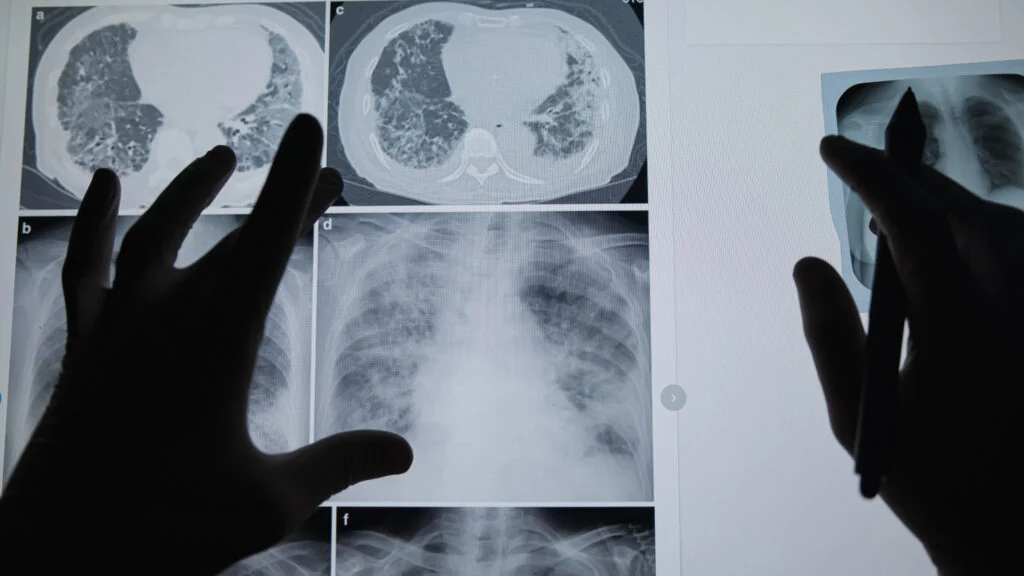
- Imaging Modalities: A comprehensive look at the X-rays, CT scans, MRIs, and PET scans that have tracked his progression and recurrence over the last nine years.
- Treatment Trajectories: The emotional and physical toll of long-term oncology care, insurance navigation, and the persistent anxiety of waiting for results.
By placing his own body on the "teaching table," Elkowitz demystifies the diagnostic process. He forces students to confront the reality that every patient they will one day treat—regardless of how rare their disease—is a person with a family, a career, and a deep-seated fear of the unknown.
The Methodology: A New Standard for Clinical Empathy
In the traditional medical school model, humanism is often relegated to elective courses or soft-skills seminars. Elkowitz argues this is a mistake. In his classroom, the scientific and the personal are inseparable.
His teaching method involves a structured, two-part immersion. First, he walks students through the foundational concepts of the cancer. Then, he sits in silence, allowing the weight of the information to settle. "I let silence set in as the class digests the information," he says, "before I take questions that range from the diagnostic to the emotional."
Two weeks later, the curriculum takes a turn that is rare in higher education: his own oncologist joins the class. Together, they discuss the patient-doctor relationship, the mechanics of delivering a difficult prognosis, and the internal lives of both the healer and the sufferer. This "co-teaching" model allows students to see the patient-physician dyad from both sides of the stethoscope.
Implications for the Future of Medicine
The implications of this approach are profound. Students who have sat in Elkowitz’s lectures are now rotating through his oncologist’s practice, and in a striking full-circle moment, some of his former students have become his own physicians.
This creates a cycle of mentorship that transcends traditional academic boundaries. It moves the focus of medical education away from the "siloed" training of the past—where pathologists only see slides and oncologists only see patients—toward a more holistic, integrated practice.
Developing "Learned and Wise" Physicians
Elkowitz’s goal is to produce doctors who are both "learned and wise." He emphasizes that the practice of medicine is, at its core, an exercise in lifelong learning. Whether it is mastering the intricacies of robotic surgery, integrating artificial intelligence into diagnostics, or learning how to sit with a grieving family, the core requirement remains the same: presence.
"What I want for today’s medical students is what I hope we all seek in our doctors," Elkowitz notes. "They need to grow into compassionate educators who ensure patients understand every medical challenge as they face it and every choice before they make it."
Conclusion: A Victory for Humanity and Holiness
For Dr. Elkowitz, continuing to work through his cancer recurrence is not merely a professional commitment; it is a spiritual and moral mandate. He views his illness as a "door God had opened," providing him with a unique opportunity to shape the perspective of future generations.
As medicine becomes increasingly digitized and data-driven, the risk of losing the human element grows. By sharing his biopsy slides, his scans, and, most importantly, his silence, Dr. Elkowitz is ensuring that the doctors of tomorrow are equipped with more than just knowledge. They are being equipped with the capacity for deep, resonant compassion.
If his experience serves as a guide for these students, the impact will be felt far beyond the walls of his lecture hall. It will reach into the exam rooms of the future, influencing how patients are treated, how diagnoses are delivered, and ultimately, how humanity is preserved within the cold, clinical structures of medicine. For Elkowitz, this is not just a lesson in pathology; it is a victory for both humanity and holiness.