









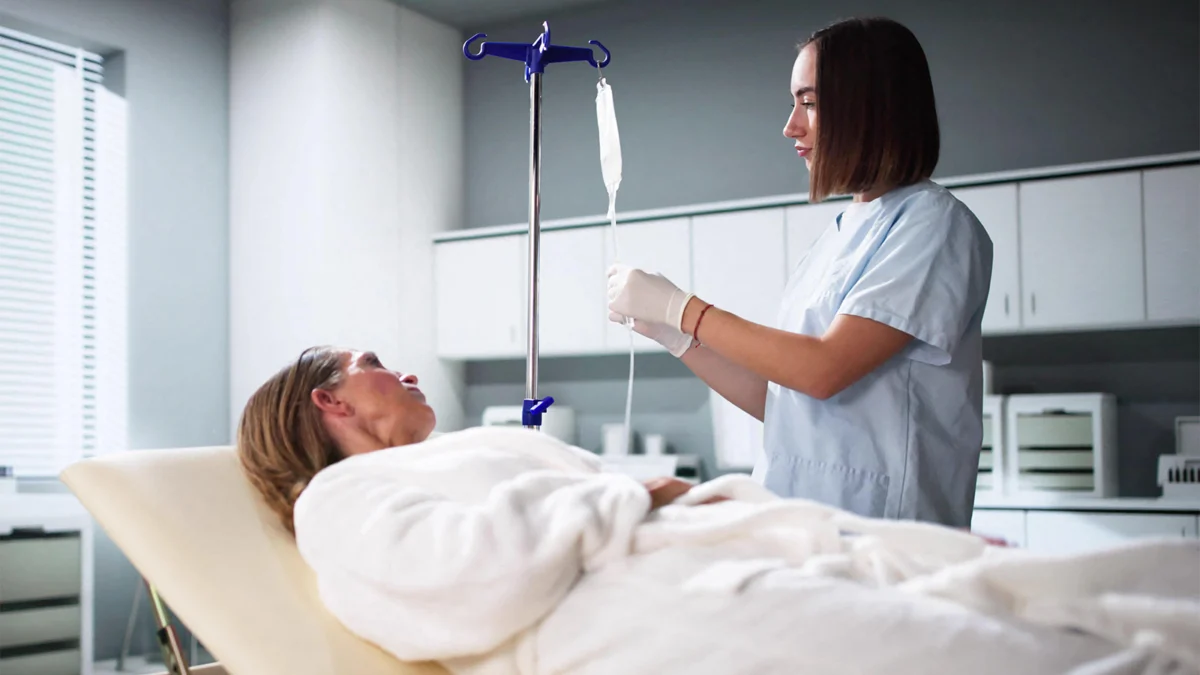
In the rapidly expanding world of "wellness medicine," intravenous (IV) therapies have moved from hospital settings to the mainstream, marketed as shortcuts to rejuvenation, detoxification, and aesthetic perfection. However, a silent and dangerous health crisis has emerged from this trend. The Centers for Disease Control and Prevention (CDC) is currently investigating a multi-state outbreak of severe illnesses linked to compounded glutathione injections, a substance increasingly popularized by influencers and outpatient wellness clinics.
More than 25 individuals across four states—Texas, Washington, Florida, and New York—have fallen ill after receiving these injections. At least three patients required hospitalization, with one individual suffering such severe systemic reactions that they were admitted to an intensive care unit (ICU) to be treated for shock and life-threatening blood clotting abnormalities.
The core of the crisis lies in a fundamental failure of pharmaceutical standards: compounding pharmacies have been utilizing "dietary supplement-grade" glutathione to manufacture sterile injectable drugs. This practice violates fundamental safety protocols, as supplement-grade ingredients are not subjected to the rigorous purity and sterility testing required for substances meant to enter the bloodstream directly.
The Science of the Risk: Why Endotoxins Matter
The primary culprit behind the illnesses is the presence of bacterial endotoxins. Endotoxins are components of the cell walls of certain bacteria. When these substances enter the human bloodstream, they can trigger a massive, inflammatory immune response known as endotoxemia.
The CDC has issued an urgent warning, emphasizing that dietary supplement-grade glutathione is never appropriate for use in sterile injectable drugs. While glutathione is naturally produced by the body and widely sold as an oral supplement for its purported benefits—such as skin brightening, immune support, and energy enhancement—the manufacturing process for these oral products does not account for the risk of endotoxin contamination.
When injected intravenously, these contaminants bypass the body’s natural digestive defenses, leading to acute reactions. Symptoms of endotoxin exposure include high fever, severe chills, myalgia (muscle pain), intense headaches, nausea, vomiting, and hypotension (dangerously low blood pressure). In severe cases, as seen in the current outbreak, the reaction can lead to systemic shock and coagulopathy—a condition where the blood loses its ability to clot correctly.
A Chronological Timeline of the Outbreak
The alarm was first raised in July, when the Texas Department of State Health Services notified the CDC of a cluster of patients who had developed acute symptoms following IV glutathione treatments at an outpatient wellness clinic.
- July 2024: Texas health officials identify a cluster of illnesses. The CDC begins tracking reports, which soon expand to include cases in Florida, Washington, and New York.
- August 5, 2024: The first major recall is issued. Victory Medical Center Pharmacy in Austin, Texas, initiates a voluntary nationwide recall of specific lots of 200-mg/mL multidose vials of compounded glutathione after tests confirm high levels of bacterial endotoxins.
- Late August 2024: Optimal Balance Pharmacy in Houston, Texas, follows suit, recalling a lot of 200-mg/mL multidose vials. This recall reveals the reach of the contamination, with products distributed across a wide swath of the U.S., including Arizona, Colorado, Illinois, Louisiana, Michigan, Nevada, Oklahoma, Pennsylvania, Utah, and Vermont.
- Late September 2024: Centric Compounding, also of Houston, issues a massive recall involving six lots of glutathione, as well as two other popular "wellness" injections: Myer’s Cocktail and Tri-Immune Boost. These products were distributed nationwide via direct-to-consumer home delivery and to medical practitioners.
The FDA’s investigation identified a common link: the pharmacies involved were sourcing their glutathione raw materials from Medisca, a supplier based in Plattsburgh, New York. The material was explicitly labeled as "dietary supplement grade," yet it was being used by pharmacists to create injectable solutions.
Regulatory Implications and FDA Oversight
The FDA has responded with a series of stern safety alerts. It is crucial to note that there are currently no FDA-approved glutathione products on the market. Any clinic offering these injections is using a "compounded" product, which is created by a pharmacy to meet the specific needs of a patient but does not undergo the FDA’s stringent pre-market approval process required for mass-manufactured drugs.
"The FDA reminds compounders not to use dietary supplement-grade glutathione in injectable products," the agency stated in its alert. The agency’s stance is clear: if a substance is intended for an injectable route of administration, the ingredients must be pharmaceutical grade, which involves far higher standards for sterility, potency, and the absence of harmful contaminants.
This is not the first time glutathione has been at the center of a safety scandal. The CDC noted that endotoxin-contaminated glutathione was responsible for a 2015 outbreak in Australia, and similar adverse events in U.S. clinics prompted a previous FDA safety alert in 2019. Despite these warnings, the demand for "wellness" injectables has continued to outpace regulatory oversight, creating a landscape where clinics often prioritize profit and patient demand over strict pharmaceutical safety.
The Medical Community’s Perspective
Public health experts are concerned that the current reported case count is merely the tip of the iceberg. Dr. Alex Sundermann, an infectious disease expert at the University of Pittsburgh, has been vocal about the systemic dangers of this trend. In an educational post regarding the outbreak, Dr. Sundermann warned that it is highly probable that more cases will emerge as clinics and patients continue to use products from the recalled batches.
"It’s another reminder not to inject anything into your body that isn’t FDA-approved for injection, no matter what claims are being made about it," Dr. Sundermann stated.
The medical community is increasingly critical of the "med-spa" and "wellness clinic" business model. Many of these facilities operate in a regulatory gray area, where procedures are performed by staff who may not fully understand the complexities of pharmaceutical compounding or the risks of non-sterile additives. The allure of "detox" or "skin lightening" injections has created a market where consumers, often unaware of the lack of FDA oversight, are willing to pay for treatments that carry hidden, potentially life-threatening risks.
The Broader Implications for Wellness Consumers
The current crisis highlights a dangerous disconnect between consumer perception and pharmaceutical reality. In the digital age, wellness trends are often amplified by influencers who promise life-changing results from injections. This creates a false sense of security; patients often assume that if a clinic is offering a treatment, it must be inherently safe.
However, as this outbreak demonstrates, the medical safety standards of the products themselves are often far below what is required for intravenous administration. The reliance on dietary-grade supplements for injectable medication is a shortcut that risks the lives of patients who are otherwise seeking to improve their health.
What Consumers Should Do
For those who have received glutathione injections recently, medical experts suggest monitoring for symptoms such as fever, persistent chills, headache, or signs of injection site infection. If these symptoms occur, immediate medical evaluation is necessary.
Furthermore, patients are advised to:
- Demand Documentation: Ask the clinic specifically if the product being injected is FDA-approved. If the answer is no, ask where the product was sourced and if it is compounded.
- Verify the Source: Check the FDA’s recall list to ensure any clinic or pharmacy they have interacted with has not been involved in the recent endotoxin-related recalls.
- Exercise Skepticism: Be wary of wellness trends that promise rapid, systemic health improvements via IV therapy. Always consult with a primary care physician who is not affiliated with the wellness clinic before undergoing elective injectable procedures.
Conclusion: A Call for Stricter Compliance
The glutathione outbreak is a stark reminder that the "wellness" industry is not a substitute for evidence-based medicine. The fact that dozens of people were exposed to bacterial endotoxins through products that were essentially unpurified supplements highlights a critical failure in the supply chain and oversight of compounded medications.
As the CDC and FDA continue their investigation, the primary goal remains to prevent further hospitalizations and ensure that compounding pharmacies adhere strictly to the mandate of using only high-purity, pharmaceutical-grade ingredients. Until then, the message from public health officials is clear: the convenience of a wellness injection is never worth the risk of a systemic infection. The path to health should be built on safety and proven clinical science, not on shortcuts that gamble with human lives.