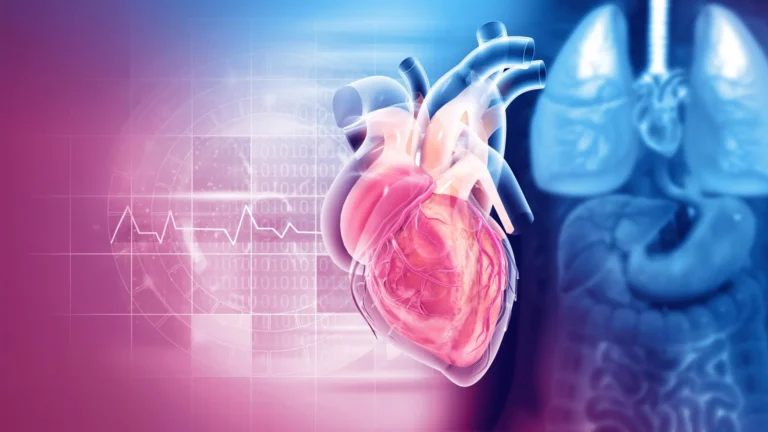









In a significant breakthrough for metabolic and cardiovascular medicine, an international team of researchers has identified a potential "dual-action" therapeutic agent that could redefine how we treat the world’s leading cause of death. The experimental drug, known as IC7Fc, which previously demonstrated efficacy in managing type 2 diabetes, has now shown remarkable potential in protecting against cardiovascular disease by actively reducing arterial inflammation and cholesterol levels.
The study, published in the peer-reviewed journal Science Advances, represents a collaborative effort between the Leiden University Medical Centre in the Netherlands, Australia’s Monash University, and several global research partners. By mitigating the formation of fatty plaques in the arteries, this novel therapeutic candidate offers a glimmer of hope for patients who remain at high risk of heart attack and stroke, even when adhering to conventional cholesterol-lowering regimens.
A Chronology of Discovery: From Diabetes to Heart Health
The development of IC7Fc has been a long-term project, spearheaded by Professor Mark Febbraio of the Monash Institute of Pharmaceutical Sciences (MIPS). The trajectory of this research mirrors the modern evolution of drug development, where treatments are increasingly evaluated for their "pleiotropic" effects—the ability of a single drug to influence multiple biological systems simultaneously.
The Foundation: Metabolic Control
Initial research into IC7Fc focused exclusively on its metabolic properties. Scientists identified that the drug could effectively modulate metabolic pathways involved in type 2 diabetes. In early preclinical models, the drug displayed a potent ability to stabilize glucose metabolism, offering a potential alternative or adjunct therapy for those struggling with blood sugar regulation.
The Shift to Cardiovascular Research
As the drug’s profile matured, the research team began investigating its impact on the systemic health of patients with metabolic disturbances. Recognizing that cardiovascular disease is frequently a co-morbidity of metabolic syndrome, the team shifted their focus toward atherosclerosis—the underlying process of "clogging" arteries. The recent study published in Science Advances marks the culmination of this transition, moving the focus from glucose control to the direct, protective effects of IC7Fc on the vascular system.
Supporting Data: Mechanisms of Action
The preclinical findings provide a robust evidentiary base for the efficacy of IC7Fc. In experiments involving mice genetically predisposed to heart disease, the administration of IC7Fc resulted in a significant reduction in circulating triglycerides and low-density lipoprotein (LDL) cholesterol.
Attacking the Plaque
Atherosclerosis is driven by the accumulation of fatty plaques—composed of cholesterol, fatty substances, and cellular waste—on the inner walls of arteries. These plaques restrict blood flow and, if they rupture, can trigger catastrophic events such as myocardial infarction (heart attack) or ischemic stroke.
The study found that IC7Fc does not merely lower circulating lipids; it actively mitigates the development of these plaques. By modulating inflammatory markers within the vascular endothelium, the drug appears to stabilize existing plaques and prevent the recruitment of inflammatory cells that would otherwise exacerbate the disease. This dual mechanism—lowering "bad" cholesterol while simultaneously dampening the inflammatory fire that feeds plaque growth—distinguishes IC7Fc from many standard-of-care medications that primarily target lipid levels alone.
The Obesity Paradox: Insights from Lean and Obese Models
One of the most intriguing aspects of the study involves the differential effects of the drug across varying body types. In previous trials, IC7Fc was lauded for its ability to reduce body weight and appetite in obese mouse models. However, in the current study, which focused on lean mice genetically prone to high cholesterol, the drug produced a different profile of results.
Decoupling Weight Loss and Heart Health
Crucially, in the lean, atherosclerosis-prone subjects, IC7Fc did not lead to changes in body weight or food consumption. This distinction is scientifically significant. It suggests that the drug’s cardiovascular benefits are not merely a secondary consequence of weight loss. Instead, IC7Fc appears to exert a direct, pharmacological influence on lipid metabolism and vascular inflammation.
For clinicians, this discovery is vital. It implies that IC7Fc could be administered to patients who are not clinically obese but who nonetheless suffer from genetic predispositions to cardiovascular disease. The ability to decouple metabolic weight management from cardiovascular protection expands the potential clinical utility of the drug, making it a versatile tool in the physician’s arsenal.
Official Perspectives: The Path Forward
Professor Mark Febbraio, the lead researcher at MIPS, has been instrumental in the long-term development of this compound. In his official commentary on the study, he underscored the urgent need for innovation in heart disease treatment.
"Heart disease remains the world’s biggest killer, driven largely by atherosclerosis," Professor Febbraio noted. "Even with common treatments that lower blood pressure and cholesterol, many people are still at risk, showing there is more work to do. We are seeing a real need for therapies that don’t just patch the problem, but fundamentally alter the disease pathway."
Regarding the drug’s potential, Professor Febbraio highlighted the excitement surrounding its "dual-action" potential. "These results suggest IC7Fc could offer a dual benefit—helping reduce obesity in some, while protecting the heart in others. It is an exciting step toward a treatment that targets both metabolic and cardiovascular disease."
Clinical and Public Health Implications
The implications of these findings are profound. Cardiovascular disease remains the leading cause of mortality globally, and the socioeconomic burden of heart-related hospitalizations and chronic care is staggering.
Addressing the "Residual Risk"
Current cardiovascular medicine relies heavily on statins and lifestyle modifications to manage cholesterol. However, "residual risk" remains a major challenge; many patients who achieve target LDL levels still experience adverse cardiovascular events. This suggests that inflammation and other metabolic factors, which statins do not fully address, play a larger role than previously appreciated. By targeting these inflammatory pathways, IC7Fc could potentially lower the incidence of heart attacks in the millions of people who remain vulnerable despite existing treatments.
Future Hurdles: The Road to Human Trials
While the preclinical success in mice is encouraging, the scientific community maintains a cautious, evidence-based outlook. The transition from murine models to human clinical trials is notoriously difficult. Researchers must now focus on:
- Safety and Toxicology: Ensuring that the systemic administration of IC7Fc does not trigger unintended off-target effects in humans.
- Dosage and Pharmacokinetics: Determining the optimal concentration of the drug required to produce the observed anti-atherosclerotic effects in the human body.
- Long-term Efficacy: Establishing whether the drug can safely prevent heart attacks and strokes over years of chronic usage.
Conclusion: A New Era for Metabolic-Cardiovascular Medicine
The research into IC7Fc exemplifies the promise of precision medicine. By identifying a molecule that acts on the intersection of metabolism and vascular health, the team at Leiden and Monash has opened a new front in the war against heart disease.
As the research progresses toward human clinical trials, the medical community will be watching closely. If IC7Fc proves as effective in humans as it has in preclinical trials, it could signify a paradigm shift—moving away from treating symptoms in isolation and toward a holistic management of the metabolic-cardiovascular continuum.
For now, the findings stand as a testament to the power of cross-disciplinary research. In the quest to reduce the global burden of heart disease, IC7Fc represents not just a potential new pill, but a new understanding of how the body’s metabolic processes can be harnessed to protect the very heart that keeps us alive. The journey from the lab bench to the pharmacy shelf is long, but for millions of patients at risk of cardiovascular disease, the arrival of such a dual-action therapy would be a landmark development in modern medicine.