










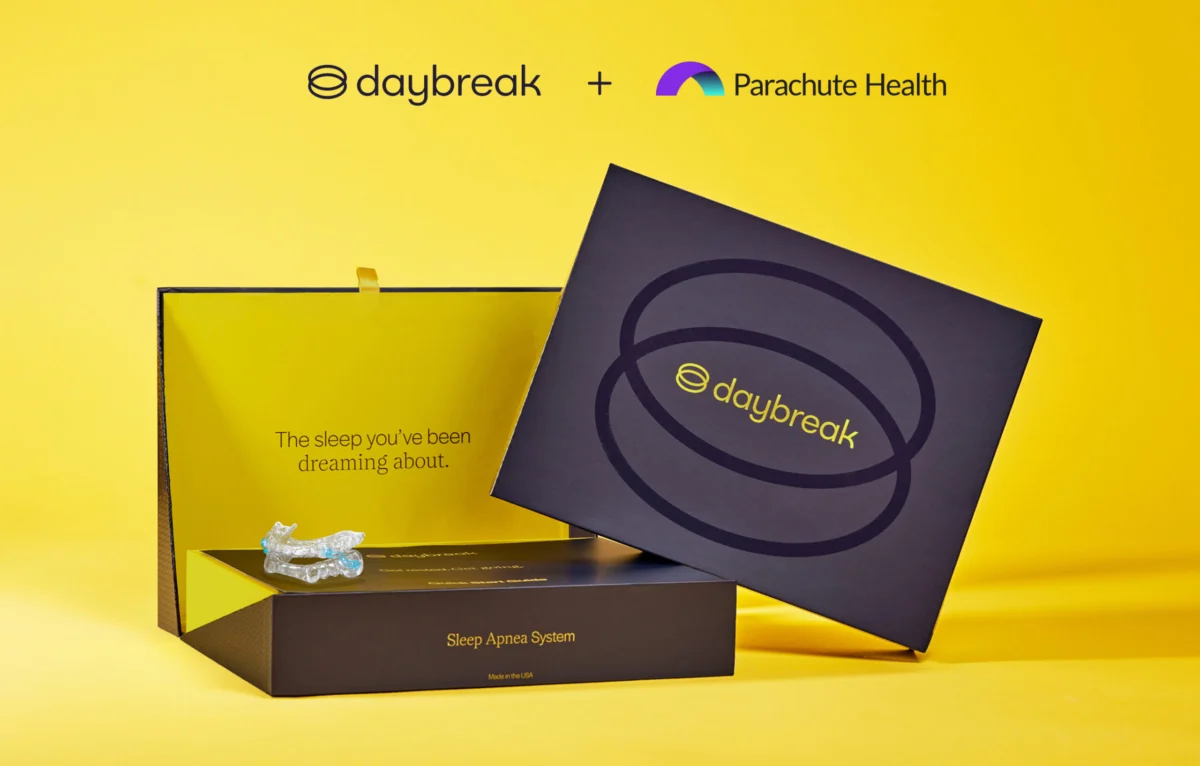
The journey from a clinical suspicion of obstructive sleep apnea (OSA) to the commencement of effective therapy has long been plagued by administrative friction, fragmented communication, and significant delays. Today, a new strategic integration between Daybreak, a leader in at-home diagnostic and treatment solutions, and Parachute Health, a prominent e-prescribing platform for home medical equipment (HME), promises to rewrite this narrative. By embedding Daybreak’s specialized OSA services directly into the existing digital workflows used by thousands of clinicians, this partnership aims to transform a historically disjointed process into a seamless, high-velocity care continuum.
Main Facts: A Digital Solution to a Systemic Problem
At its core, the integration enables clinicians to refer patients for OSA treatment with the same ease as ordering standard home medical equipment. For decades, the OSA care pathway—which often involves primary care physicians, sleep specialists, diagnostic labs, and HME providers—has been characterized by manual faxing, incomplete clinical documentation, and protracted wait times.
By joining the Parachute Health network, Daybreak gains unprecedented access to a digital infrastructure utilized by more than 300,000 clinicians and prescribers, 3,000 HME provider locations, and 70,000 facilities and health systems nationwide. This move marks Daybreak’s first foray into the e-prescribing space, positioning its FDA-cleared mandibular advancement devices—which are designed to alleviate snoring and apnea by gently repositioning the jaw—as a primary, accessible alternative for patients who might otherwise struggle with traditional CPAP compliance.
Chronology: The Evolution of the Partnership
The path to this integration reflects a growing trend in digital health: the consolidation of fragmented services into centralized "hubs."
- The Pre-Integration Landscape: For years, Daybreak operated as an end-to-end provider of at-home diagnostics and treatment. However, the referral process often required the company to operate outside the primary electronic health record (EHR) workflows used by most physicians.
- The Strategic Alignment: Recognizing that provider adoption is tethered to existing, familiar software, Daybreak initiated discussions with Parachute Health to leverage its established e-prescribing footprint.
- The Pilot and Implementation Phase: Over the past year, the technical teams worked to integrate Daybreak’s ordering system into the Parachute platform, ensuring that clinical documentation, insurance verification, and prescription generation could occur within a single, secure environment.
- The Go-Live Milestone: As of this month, the integration is officially live. Prescribers can now trigger an order for a Daybreak device immediately following an OSA diagnosis, bypassing the traditional back-and-forth communication that historically hindered patient outcomes.
Supporting Data: Why Streamlining Matters
The necessity of this integration is underscored by the current state of sleep medicine in the United States. Obstructive sleep apnea is estimated to affect millions of Americans, yet it remains significantly underdiagnosed and undertreated.
Clinical data suggests that the "time-to-treatment" metric is a critical predictor of patient adherence. When a patient is diagnosed with OSA but experiences a delay of several weeks—or even months—to receive their device due to administrative bottlenecks, the likelihood of the patient abandoning the treatment plan increases significantly.
The current statistics within the U.S. healthcare system paint a clear picture of the burden:
- Fragmented Pathways: Research indicates that the average OSA patient often interacts with three or more separate entities between diagnosis and therapy initiation, each with its own data silo.
- Administrative Overhead: Studies on HME ordering processes show that manual entry and fax-based communication can add an average of 5 to 10 business days to the fulfillment cycle.
- The Compliance Gap: By simplifying the path to treatment, digital platforms like Parachute and providers like Daybreak aim to reduce the "lost to follow-up" rate, which is currently a major hurdle in long-term sleep health management.
Official Responses: Insights from Industry Leaders
The leadership teams at both Daybreak and Parachute Health emphasize that this partnership is as much about human-centric care as it is about technology.
Wesley Lones, founder and CEO of Daybreak, notes that the complexity of the existing system has been a barrier to entry for many patients. "Obstructive sleep apnea remains widely underdiagnosed and undertreated in the US, in part because the path from testing to treatment has historically been fragmented across multiple systems and providers," Lones stated in a press release. "By joining Parachute Health, it continues our broader mission to increase access to care, shorten time to treatment, and simplify a therapy pathway that has long been disjointed for both patients and the providers who treat them."
The operational benefits were further clarified by Eric Mongeau, chief commercial officer of Daybreak. He highlighted the "workflow efficiency" as a primary value proposition for busy clinicians. "Physicians already place HME orders through Parachute’s platform as part of their normal workflow, so a sleep apnea referral to Daybreak now works the same way," said Mongeau. "E-prescribing through Parachute Health turns what used to be a multi-day back-and-forth into a streamlined digital process."
From the platform perspective, Rob Boeye, executive vice president and commercial leader for HME at Parachute Health, expressed pride in the partnership’s potential to reduce systemic friction. "Parachute strives to decrease the friction between prescribers, HME providers, and patients through our digital workflows. We are pleased to make Daybreak available to prescribers utilizing our platform," Boeye said.
Implications: The Future of Sleep Health Management
The integration of Daybreak into the Parachute Health network carries several profound implications for the future of the healthcare industry.
1. Enhanced Provider Efficiency
For primary care physicians and sleep specialists, the ability to order an oral appliance as easily as a nebulizer or a walker is a significant administrative win. It removes the need for specialized knowledge of disparate vendor portals, allowing the clinician to focus on the patient’s clinical needs rather than the logistics of procurement.
2. Improved Patient Access and Adherence
By streamlining the process, the "gap" between the patient’s initial realization of a problem and the physical arrival of their treatment device is drastically narrowed. When a patient receives their treatment promptly, they are more likely to integrate it into their nightly routine. Furthermore, the use of custom-fit, at-home impression kits—a hallmark of the Daybreak model—removes the requirement for in-person dental or lab visits, lowering the barrier to treatment for rural or mobility-impaired patients.
3. Strengthening the HME Ecosystem
HME providers often struggle with the "missing information" problem—prescriptions arriving without necessary ICD-10 codes, patient signatures, or clinical notes. By using the Parachute Health digital workflow, these requirements are enforced at the point of entry. This means fewer rejected claims, fewer calls to doctor’s offices for missing paperwork, and ultimately, faster reimbursement and revenue cycles for HME providers.
4. A Template for Future Integrations
This partnership could serve as a blueprint for other specialized medical services. As the U.S. healthcare system shifts toward value-based care, the emphasis is increasingly on "interoperability." If specialized treatment providers can successfully plug into the existing digital highways of the healthcare system, the entire industry moves closer to a truly integrated, patient-centered model.
Conclusion
The collaboration between Daybreak and Parachute Health is more than just a software update; it is a strategic effort to solve the "last mile" problem in sleep medicine. By digitizing the referral and prescription process for obstructive sleep apnea, the two organizations have created a pathway that prioritizes speed, accuracy, and ease of use. As this integration scales, it stands to set a new standard for how specialized medical equipment is delivered, ensuring that more patients can access the treatment they need, exactly when they need it. In the high-stakes world of sleep health, where every night of untreated apnea carries a long-term risk, this digital bridge is a vital development for patients, clinicians, and providers alike.