









For millions of individuals, the transition from the day’s activities to the sanctuary of bed is interrupted by an unwelcome intruder: leg discomfort. Whether it manifests as a persistent, jittery urge to move or a sharp, sudden contraction that jolts one awake, nocturnal leg distress is a primary driver of chronic sleep deprivation. While these sensations are often grouped under the umbrella of "growing pains" or "tired legs," they are clinically distinct phenomena.
Understanding the nuance between Restless Legs Syndrome (RLS) and sleep-related leg cramps is not merely a matter of academic interest—it is the essential first step toward securing effective treatment and reclaiming restorative sleep.
Main Facts: The Physiology of Discomfort
The human body’s reaction to nocturnal discomfort varies wildly, but clinical research suggests that the root causes of these sensations are vastly different.
The Nature of Restless Legs Syndrome (RLS)
Restless Legs Syndrome, clinically known as Willis-Ekbom Disease, is a neurological sensory disorder. It is not a muscle condition in the traditional sense; rather, it is a disorder of the central nervous system that produces an uncontrollable, often agonizing, urge to move the limbs. Patients frequently describe the sensation as "crawling," "tingling," "pulling," or "electric," though many struggle to find words that fully capture the visceral nature of the experience. The sensation typically resides deep within the legs, rather than on the surface of the skin.
The Nature of Sleep-Related Leg Cramps
Conversely, sleep-related leg cramps are primarily musculoskeletal events. They are characterized by a sudden, involuntary, and often painful contraction or "hardening" of a muscle—most commonly in the calf or foot. Unlike the creeping, pervasive nature of RLS, a cramp is a localized, acute event. It is a biomechanical failure where the muscle fibers contract and remain in that state, requiring physical intervention (such as stretching) to break the cycle.
Chronology and Pattern Recognition
The most reliable way to differentiate these two conditions is to examine the "life cycle" of the discomfort. By tracking the timing and the trigger points, patients can provide their physicians with the diagnostic breadcrumbs necessary for an accurate assessment.
The RLS Timeline: The Evening Surge
RLS symptoms follow a distinct circadian rhythm. They are rarely present in the morning and typically reach their peak intensity during the evening or at night, exactly when the body is attempting to transition into a state of relaxation.
- The Rest Trigger: Symptoms are paradoxically triggered by immobility. Sitting in a movie theater, driving, or lying in bed are the primary catalysts.
- The Movement Relief: The defining hallmark of RLS is that movement provides immediate, albeit temporary, relief. Walking, pacing, or stretching will alleviate the sensation, but the discomfort often returns the moment the movement ceases.
The Cramp Timeline: The Abrupt Interruption
Leg cramps do not respect the same circadian boundaries. While they are common at night, they are not strictly tied to the evening hours.
- The Sudden Onset: A cramp usually strikes without warning, often waking the sufferer from a deep sleep. There is no "build-up" phase of increasing restlessness.
- The Stretching Fix: While stretching is the primary remedy for both conditions, the mechanism differs. In a cramp, stretching mechanically forces the contracted muscle fibers to lengthen, resolving the spasm. In RLS, movement acts as a sensory distraction that temporarily suppresses the neurological urge.
Supporting Data: Why Diagnosis Matters
According to the Sleep Foundation, the distinction between these conditions is vital because the pharmacological and lifestyle approaches to treatment are fundamentally incompatible.
Prevalence and Demographics
RLS affects an estimated 7% to 10% of the U.S. population, with a higher prevalence among women and individuals with iron deficiencies or certain chronic conditions like kidney failure. Leg cramps, while less of a "syndrome" and more of a common physiological occurrence, affect an even larger swath of the population—particularly older adults. Up to 60% of adults experience nocturnal leg cramps, often due to dehydration, electrolyte imbalances, or medication side effects.
Diagnostic Hurdles
The clinical challenge arises when patients describe these symptoms to general practitioners. Because both conditions occur at night and both cause sleep disruption, they are frequently misdiagnosed. An RLS patient misdiagnosed with muscle cramping might be prescribed magnesium supplements or muscle relaxants—treatments that are largely ineffective for a neurological disorder. Conversely, an RLS patient might be unnecessarily subjected to invasive testing for vascular or muscular issues when the problem is systemic.
Official Responses: Clinical Guidelines
Medical associations, including the American Academy of Sleep Medicine (AASM), emphasize that clinicians must utilize specific diagnostic criteria to separate these issues.
The Diagnostic Checklist
To distinguish between the two, medical professionals generally look for the "Urge to Move" criteria. If a patient confirms that they have an irresistible urge to move their legs, and that this urge is triggered by rest and relieved by movement, the diagnosis almost certainly points toward RLS. If the sensation is localized pain, muscle hardness, and an absence of the "urge to move," the diagnosis pivots toward nocturnal muscle cramps.
The "Dual Diagnosis" Reality
It is entirely possible, and not uncommon, for a patient to suffer from both conditions simultaneously. This "dual-burden" can be particularly exhausting. In such cases, the clinician must treat the conditions as distinct entities. For instance, iron therapy may be utilized for the RLS component, while hydration protocols and physical therapy may be implemented for the muscle cramps.
Implications: The Path Forward
The long-term implications of untreated nocturnal leg discomfort go far beyond "a bad night’s sleep." Chronic sleep deprivation linked to these disorders is associated with an increased risk of hypertension, cardiovascular disease, depression, and cognitive impairment.
Preparing for the Medical Consultation
To maximize the effectiveness of a doctor’s visit, patients should engage in "symptom mapping." Before the appointment, patients are encouraged to document:
- Sensation: Use descriptive language. Is it a cramp, a tingle, a burn, or a need to move?
- Timing: At what time do symptoms start? Are they present during the day?
- Relief: What specific action stops the sensation? How long does the relief last?
- Location: Is it in one leg, both, or does it shift?
- Impact: How many times per night are you awakened?
The Role of Technology
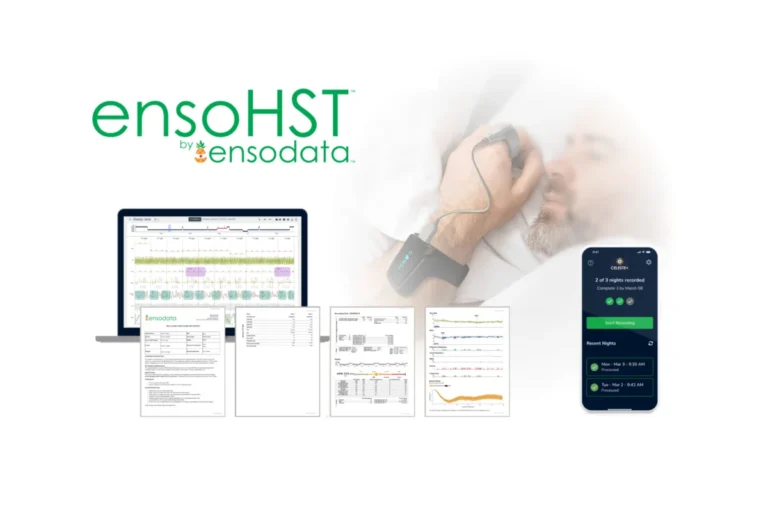
Modern sleep medicine is increasingly utilizing "sleep diaries" and wearable technology to track movement patterns. While a smartwatch cannot diagnose RLS, it can provide data on restlessness, which serves as a valuable tool for physicians reviewing the patient’s clinical history.
Conclusion: Empowerment Through Clarity
The discomfort that keeps you awake at night is not something you must simply "live with." Whether your legs are cramping due to physiological strain or you are battling the neurological urges of RLS, clarity is your greatest ally. By understanding the patterns, documenting your experiences, and consulting with medical professionals who can distinguish between the muscle and the mind, you can transition from restless nights to the restorative sleep your body requires.
Medical review by Dr. Shalini Paruthi, MD. This article is for informational purposes only and does not constitute medical advice. If your sleep is consistently disrupted, please consult a healthcare professional to rule out underlying conditions.