






The paradigm of oncology is undergoing a fundamental shift. For decades, cancer treatment has relied on aggregate data—large-scale clinical trials that determine whether a therapy works for the "average" patient. But as medical science advances, the limitations of this "one-size-fits-all" approach have become increasingly apparent. Today, the most vital question in a clinician’s office is no longer "Did this drug work for the trial cohort?" but rather, "Is this therapy working for this specific patient?"
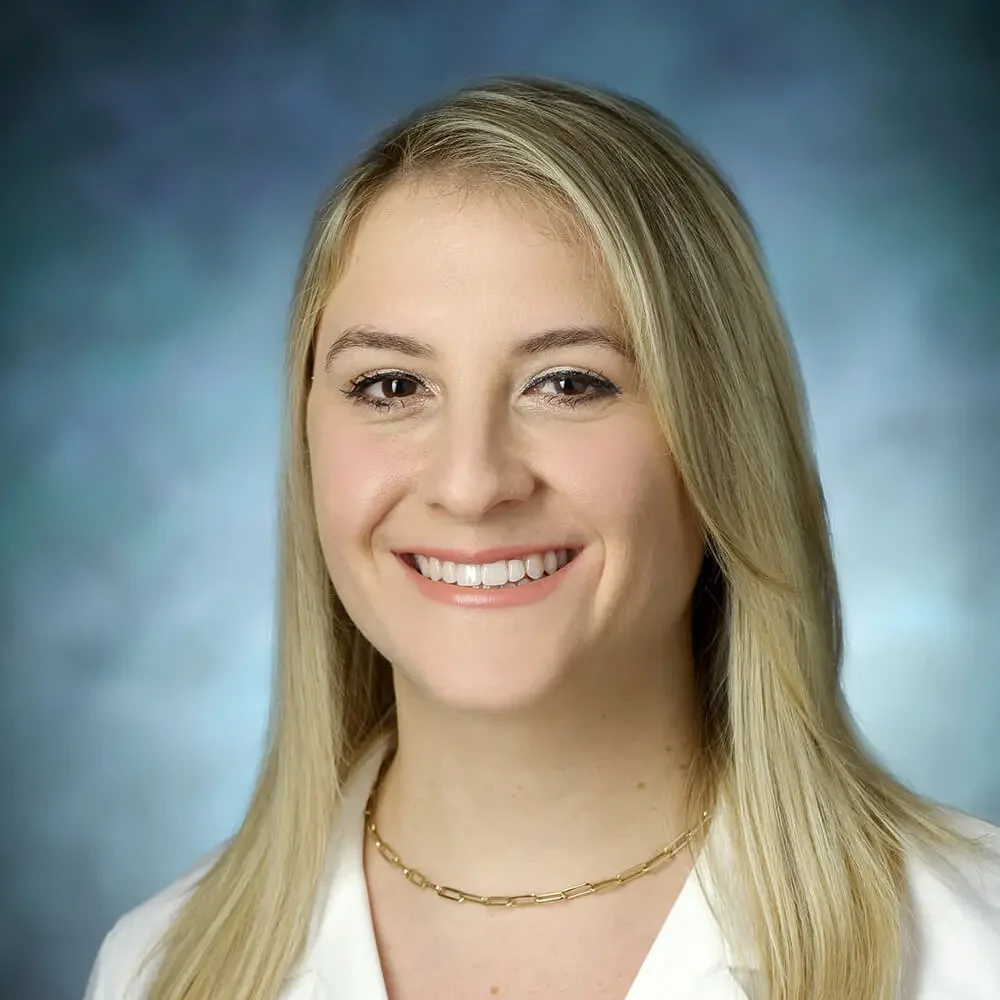
At the forefront of this transformation is Dr. Julie Deutsch, a physician-scientist and pathologist at Johns Hopkins University. Through her pioneering work in tissue-based biomarkers, Dr. Deutsch is unlocking the hidden diagnostic potential within routine pathology samples, bridging the gap between clinical observation and computational precision. Her work, bolstered by the prestigious Cancer Research Institute (CRI) STAR award, promises to redefine how clinicians navigate the complex landscape of individual cancer treatment.
The Microscopic Frontier: Redefining Pathology
For most, a pathology slide is a static image—a thin, stained slice of tissue. For Dr. Deutsch, however, these slides represent an untapped goldmine of data. As a pathologist, she spends hours peering through a microscope, but her lens is increasingly focused on the intersection of human expertise and machine intelligence.
"I’ve seen the power of having the pathology specimen and what information we can glean from it make a real difference for patients," Dr. Deutsch explains. "It’s not just about prognosticating; it’s about giving clinicians an opportunity to make informed decisions based on the unique biological footprint of the patient’s cancer."
Dr. Deutsch’s research is rooted in the belief that the tissue itself holds the keys to therapeutic success or failure. By extracting granular, high-dimensional data from these samples, she aims to develop biomarkers that act as a compass for oncologists, steering them toward treatments that are likely to yield a response and away from those that will only cause unnecessary toxicity.
A Chronology of Innovation: From Traditional Practice to Machine Learning
The evolution of Dr. Deutsch’s research trajectory reflects the broader trends in modern medicine. Her journey from traditional pathology to a tech-forward, data-driven approach highlights the necessity of cross-disciplinary collaboration in the 21st century.
The Early Stages: The Diagnostic Foundation
Dr. Deutsch began her career with a deep immersion in classical pathology, mastering the nuanced visual language required to identify cancer types and grades. This period was essential, as it provided the clinical intuition that now informs her computational models. She realized early on that while visual inspection was standard, it was inherently subjective and limited by the human eye’s ability to process complexity.
The Computational Pivot
Recognizing that the volume of data within a single tissue sample far exceeded human processing capacity, Dr. Deutsch began to explore computational pathology. She did not set out to become a machine learning expert; rather, she followed the scientific questions where they led. By integrating algorithms with digitized pathology slides, she began to see patterns—subtle variations in cellular architecture and micro-environment interactions—that were invisible to the naked eye.
The CRI STAR Award Era
The awarding of the Cancer Research Institute (CRI) STAR award in late 2025 marked a pivotal moment in her career. The STAR program is designed to support high-risk, high-reward research by funding the scientist rather than a rigid, predefined project. This flexibility has allowed Dr. Deutsch to scale her machine learning initiatives, hire multidisciplinary staff, and explore "blue-sky" research avenues that traditional, siloed funding mechanisms often ignore.
Supporting Data: The Case for Precision Oncology
The urgency of Dr. Deutsch’s work is supported by the rising costs and physical burdens of oncology treatments. According to current oncology statistics, a significant portion of patients—sometimes exceeding 50% for certain immunotherapies—do not achieve a durable response to the first line of treatment.
The consequences are two-fold:
- Clinical Toxicity: Patients are subjected to grueling regimens that may cause severe side effects without providing any therapeutic benefit.
- Economic Burden: The healthcare system incurs massive costs associated with ineffective treatments, which can often run into the hundreds of thousands of dollars per patient.
Dr. Deutsch’s approach addresses these inefficiencies directly. By developing biomarkers that can identify signs of resistance before a treatment plan is finalized, she aims to optimize the "Right Patient, Right Treatment" model. Her research suggests that tissue-based biomarkers—analyzed through a combination of spatial biology and machine learning—can predict patient outcomes with significantly higher sensitivity than current standard-of-care diagnostics.
Implementation Science: The "Last Mile" Problem
A defining characteristic of Dr. Deutsch’s research is her unwavering focus on implementation. In academic medicine, it is common to see brilliant laboratory discoveries fail to transition into the clinical setting. Dr. Deutsch refers to this as the "last mile" problem.
"You can have the best biomarker in the world," she notes, "but if it doesn’t get to patients and doesn’t help them in real time, then it’s useless."
Her goal is to develop diagnostic workflows that are not confined to the specialized, high-tech environments of elite academic medical centers like Johns Hopkins. By utilizing routinely collected tissue samples—the kind gathered during standard biopsies—she is ensuring that her innovations are accessible to community hospitals. The scalability of these tools is the final hurdle, and it is here that her collaboration with engineers and data scientists becomes critical.
Official Perspectives: The Value of the STAR Program
The Cancer Research Institute’s investment in Dr. Deutsch is part of a broader commitment to supporting the next generation of oncology leaders. The STAR (Science, Technology, and Research) award is specifically intended to bridge the "funding gap" for early-career researchers who are tackling complex, multi-year problems.
"As an early-stage researcher, my career goals and my ability to conduct this type of research would not be possible without foundations like this," Dr. Deutsch states. "Traditional grant mechanisms often require preliminary data that is hard to generate without the very funding you are applying for. CRI breaks that cycle."
This sentiment is echoed by institutional leaders at Johns Hopkins, who view the integration of pathology and machine learning as a "cornerstone" of the university’s future cancer strategy. The flexibility provided by the CRI allows Dr. Deutsch to pivot as the science evolves—a necessity in a field where a new study can change the standard of care overnight.
Clinical Implications and the Future of Care
The ultimate goal of Dr. Deutsch’s research is to eliminate the "flying blind" phenomenon that currently plagues many cancer treatment decisions. By transforming a routine pathology slide into a dynamic, data-rich document, she is providing oncologists with a roadmap.
Key Implications:
- Reduced Toxicity: By identifying patients who are unlikely to respond to a specific therapy, clinicians can opt for alternative treatments earlier, sparing the patient from unnecessary side effects.
- Improved Efficacy: By identifying the specific molecular "sub-types" of a tumor, clinicians can tailor immunotherapy regimens, significantly increasing the likelihood of durable, long-term remission.
- Democratization of Diagnostics: By focusing on routine tissue samples rather than expensive, proprietary genetic sequencing, the approach has the potential to reach a much broader, more diverse patient population.
As Dr. Deutsch continues to refine her machine learning models, the vision for the future is clear: a diagnostic process that is personal, predictive, and proactive. The "blind" approach to cancer treatment is rapidly becoming a relic of the past.
"I’m excited to see where the journey takes me," Dr. Deutsch concludes. "We are moving into an era where we don’t just treat the tumor; we treat the patient based on the unique, biological signature of their disease. That is the promise of precision oncology, and that is what we are working toward every day in the lab."
With the backing of the CRI and the rapid acceleration of computational technology, Dr. Deutsch’s work serves as a testament to the power of human ingenuity. By looking closer at what we already have, she is helping to build a future where every patient receives the treatment they deserve—not by chance, but by design.