





As the first crisp, cold mornings of winter arrive, the retail landscape undergoes a predictable transformation. Pharmacy shelves and supermarket end-caps are suddenly adorned with an abundance of vitamin C supplements, marketed with the promise of "boosting immunity" and shielding consumers from the inevitable onslaught of the common cold. It is a ritual as familiar as the changing seasons, yet it is rooted in a scientific narrative that—upon closer inspection—begins to unravel.
The prevailing belief that mega-doses of ascorbic acid act as a prophylactic barrier against the common cold is not a product of ancient wisdom or modern clinical consensus. Instead, it is the enduring legacy of a single, highly influential book penned by one of the most brilliant scientific minds of the 20th century, whose reach, in this specific instance, far exceeded his grasp of nutritional science.
The Architect of the Myth: Linus Pauling
To understand why millions of people religiously swallow high-dose vitamin C tablets, one must look at the life and career of Linus Pauling. A titan of science, Pauling remains the only person to have been awarded two unshared Nobel Prizes: one for Chemistry in 1954, recognizing his pioneering work on the nature of the chemical bond, and a second for Peace in 1962, honoring his vocal activism against nuclear weapons testing.
Pauling was an undisputed genius, but he was not an immunologist, a dietitian, or a general practitioner. Despite this, in 1970, he published Vitamin C and the Common Cold. The book was a sensation, effectively launching the modern supplement industry’s obsession with high-dose vitamin intake. Pauling argued that the average human was suffering from a "sub-clinical" deficiency and recommended daily doses of 1,000 to 2,000 milligrams—a radical departure from the established nutritional requirements of the era.
A Chronology of a Misconception
- 1970: Pauling publishes Vitamin C and the Common Cold, arguing that high doses prevent illness.
- 1971–1975: Public interest in vitamin C surges; supplement sales skyrocket, becoming a staple of the household medicine cabinet.
- 1980s–1990s: As the supplement industry expands, clinical trials begin to test Pauling’s claims more rigorously, with many yielding disappointing results.
- 2013: A major meta-analysis confirms that for the general population, regular vitamin C supplementation does not reduce the incidence of the common cold.
- 2023: Further systematic reviews confirm that while there may be a marginal reduction in symptom duration, the "miracle cure" status of vitamin C remains scientifically unsupported.
Analyzing the Data: Does It Actually Work?
Pauling’s initial recommendations were largely built on a fragile foundation. His primary evidence was a single placebo-controlled trial involving children at a Swiss ski camp, supplemented by an informal analysis of four subsequent studies. Decades later, scientists have revisited Pauling’s work and found that his interpretation was marred by questionable mathematical rigor, an over-reliance on small-scale trials, and a failure to account for variables that typically influence immune health.
When we look at modern, high-quality data, the results are sobering. A meta-analysis published in 2023, which synthesized the findings of ten placebo-controlled trials involving 2,736 participants, sought to clarify the impact of consuming at least 1,000mg of vitamin C daily. The findings were underwhelming: while participants experienced a roughly 15% reduction in "severe" cold symptoms, this was measured by the subjective metric of days "confined indoors." Furthermore, the vitamin had absolutely no effect on the duration of mild symptoms.
The "Athlete Exception"
The only groups that have shown any meaningful benefit from vitamin C supplementation are those under extreme physical stress, such as marathon runners, skiers, or military personnel in sub-arctic conditions. For the average sedentary or moderately active adult, the data suggests that popping a 1,000mg tablet when you first feel a scratchy throat is essentially an exercise in futility. The evidence suggests that for vitamin C to have any impact at all, it must be taken as a regular, daily preventative measure—and even then, the benefit is statistically marginal.
The Reality of Requirements: The "Half-Orange" Standard
Perhaps the most startling aspect of the vitamin C debate is the disparity between what the public consumes and what the body actually requires. In Australia, for example, the recommended daily intake for an adult is a mere 45mg. To put that in perspective, that is the equivalent of half an orange, a handful of broccoli florets, or a small portion of fruit juice.
Despite the marketing push to consume thousands of milligrams, the human body is remarkably efficient at managing vitamin C levels through a balanced diet. Furthermore, severe vitamin C deficiency—the kind that leads to scurvy—is exceedingly rare, affecting fewer than 4% of the population. In most cases, the surplus vitamin C consumed in high-dose supplements is simply excreted by the kidneys, effectively resulting in "expensive urine."

Official Guidelines and Medical Implications
Health organizations globally have attempted to curb the enthusiasm for mega-dosing. Because the body cannot store vitamin C effectively, consuming doses of 1,000mg to 2,000mg per day pushes against the upper limits of safety.
In the United States, the National Academies of Sciences, Engineering, and Medicine set the tolerable upper intake level for adults at 2,000mg per day. Exceeding this, or maintaining high-dose regimens over long periods, can lead to adverse events. These may include gastrointestinal distress, such as diarrhea, nausea, and abdominal cramping, as well as an increased risk of kidney stones in susceptible individuals due to the body’s conversion of excess vitamin C into oxalate.
Medical professionals emphasize that the "more is better" philosophy is a fallacy in nutritional science. Before embarking on a high-dose supplement regimen, patients are encouraged to consult with their general practitioner. A doctor can determine if there is a genuine clinical need for supplementation or if the patient is better served by diversifying their dietary intake.
The Psychological Persistence of the Myth
If the science is so clear, why does the myth persist? The answer lies in the intersection of effective marketing and the psychological comfort of control. During the winter months, when the threat of illness is omnipresent, the act of taking a pill provides a sense of agency. It is a tangible action that promises protection, even if that protection is largely illusory.
Linus Pauling’s prestige gave the vitamin C myth a veneer of unimpeachable authority that has proven difficult to scrub away. By attaching his Nobel-winning name to a populist health claim, he bridged the gap between rigorous science and health folklore.
Conclusion: Returning to Fundamentals
The story of vitamin C is a cautionary tale about the limits of scientific authority and the power of narrative. While vitamin C is an essential nutrient that plays a vital role in collagen synthesis, iron absorption, and immune function, it is not a pharmacological panacea.
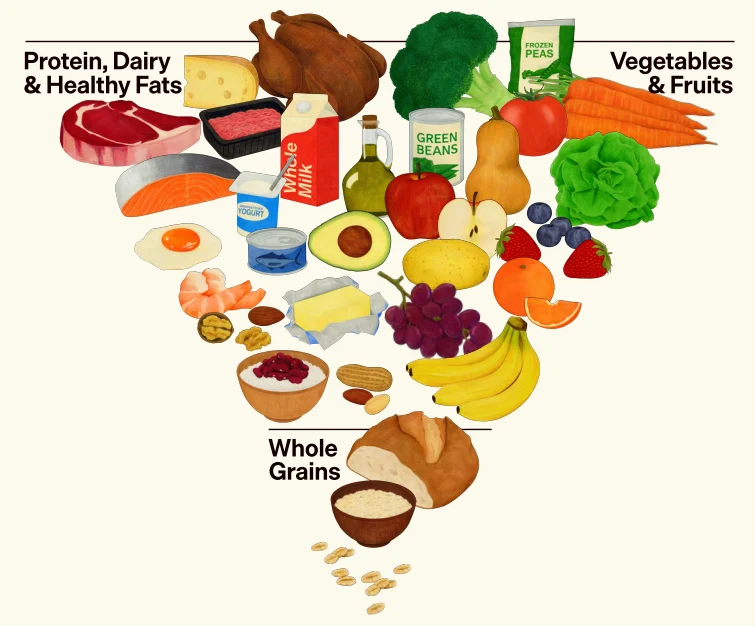
The evidence is clear: for the vast majority of the population, a healthy, varied diet provides more than enough vitamin C to keep the immune system functioning optimally. Instead of seeking "mega-doses" in a bottle, the most effective approach to surviving the winter remains the unglamorous, evidence-based combination of proper hand hygiene, adequate sleep, and a balanced diet rich in whole foods.
Before reaching for that 1,000mg supplement, consider the reality: you are likely already meeting your body’s needs through your breakfast. In the world of nutrition, as in many other areas of life, the simplest path—a piece of fruit rather than a synthetic tablet—is almost always the most effective.