









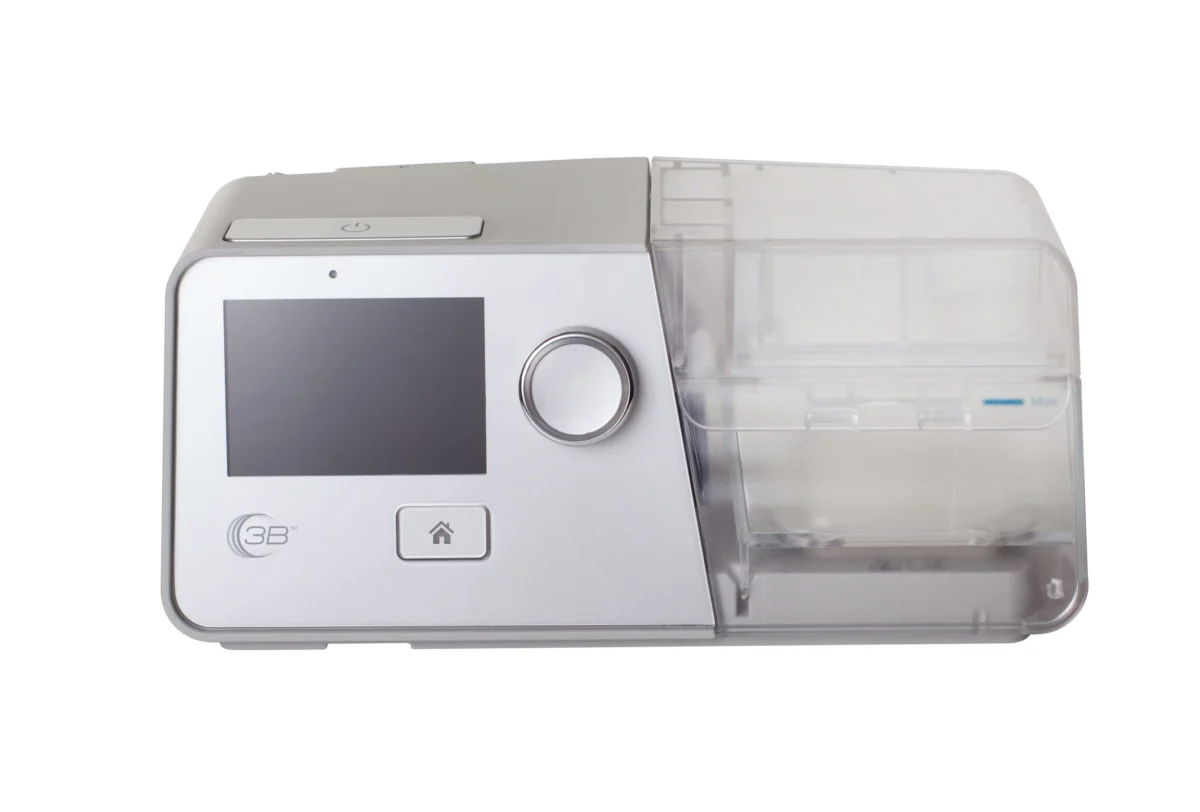
In a significant move to ensure patient safety, the U.S. Food and Drug Administration (FDA) has officially classified a recall of the Luna G3 APAP (Model LG3600) as a Class I recall. This designation—the most serious level of recall—indicates that there is a reasonable probability that the use of these medical devices will cause serious adverse health consequences or death.
The recall, initiated by the manufacturer BMC Medical Co. Ltd., stems from a critical firmware defect that can cause the machines to shut down unexpectedly during operation. While no injuries or deaths have been reported to date, the potential for treatment interruption in patients with sleep-disordered breathing necessitates immediate action from healthcare providers and users alike.
The Nature of the Defect: A Technical Breakdown
The core of the issue lies within firmware version G3-2.00.76. The Luna G3 is an Automatic Positive Airway Pressure (APAP) device, a common therapeutic tool used by individuals with obstructive sleep apnea (OSA) to keep their airways open throughout the night.
According to technical reports, the failure occurs under a specific combination of operating conditions: high pressure, high respiratory rate, and high peak flow. When these variables occur simultaneously, the device’s internal system encounters an error, triggering an alert on the display screen. Immediately following this notification, the device undergoes an automatic, forced shutdown.
The clinical implication of this shutdown is the total cessation of therapy. For a patient relying on the device to manage sleep apnea, an unexpected loss of pressure can lead to sudden oxygen desaturation, the return of apnea episodes, and the associated risks of cardiac stress and disrupted sleep cycles. While the device is designed to be a life-sustaining support for those with chronic respiratory conditions, the failure to provide that support in the middle of the night renders the device ineffective and potentially hazardous.
Chronology of the Recall
The timeline of this incident reveals a complex effort to remediate a software flaw that spanned several months.
- Initial Manufacturing Window: The affected Luna G3 units were manufactured between September 11, 2024, and October 18, 2024.
- Distribution Period: These devices were distributed across the United States between October 29, 2024, and July 6, 2026.
- The First Remediation Attempt: Between October and December 2024, BMC Medical attempted to mitigate the risk by performing a firmware update to version G3-2.00.77 at the warehouse facility of its U.S. importer, React Health.
- The Discovery of Residual Risk: Despite these efforts, a subsequent internal review by the company revealed that approximately 196 units had bypassed the update process. These units remained in the supply chain or were sold to consumers while still operating on the defective G3-2.00.76 firmware.
- FDA Classification: Upon learning of the potential for these units to remain in the field, the FDA formally classified the recall as Class I, necessitating a nationwide notification to clinicians, durable medical equipment (DME) providers, and patients.
Scope and Supporting Data
The recall encompasses a total of 20,160 units. While the majority of these units were successfully updated during the initial remediation phase at the React Health warehouse, the 196 units that escaped the update represent a "hidden" population of defective devices. Because these devices are distributed through various medical supply channels, identifying the exact location of each uncorrected unit remains a logistical priority for both BMC and the FDA.
The vulnerability is strictly limited to the G3-2.00.76 firmware. Devices running version G3-2.00.77 or later are not affected by this specific shutdown issue. Users are encouraged to verify their device status immediately, as the high-performance settings required to trigger the error are common in patients with severe apnea who require higher pressure ranges for effective treatment.
Official Guidance and Patient Action
The FDA and BMC Medical have issued clear, urgent instructions for users who suspect they may have an affected device.
How to Check Your Device
Patients should not wait for a notification from their provider. They can verify their firmware status independently by following these steps:
- Locate the Serial Number: Flip the device over and locate the identification label on the rear of the unit. The serial number is unique to your specific machine.
- Access the BMC Portal: Navigate to the official BMC Medical inquiry webpage.
- Perform the Query: Enter the serial number into the "Serial Number (SN)" field.
- Verify Firmware: Click the "Check My Device" button. The portal will indicate whether your unit requires a replacement.
Immediate Steps for Users
If your device is identified as having the G3-2.00.76 firmware, you should stop using it immediately. Continuing to use a machine prone to unexpected shutdowns poses a safety risk.
Patients are advised to:
- Consult a Physician: Contact your sleep specialist or primary care doctor to discuss temporary alternatives for your sleep apnea therapy.
- Contact the Importer: Reach out to React Health at their dedicated support email to initiate the replacement process for your device.
- Secure a Replacement: Do not resume using the recalled device until you have received a unit with the updated firmware or a verified, stable replacement.
Implications for the Sleep Therapy Industry
The Class I classification of this recall serves as a sobering reminder of the critical importance of software validation in home medical equipment. As APAP and CPAP devices become increasingly sophisticated—incorporating complex algorithms, cloud connectivity, and real-time data monitoring—the potential for "digital" failures grows.
The Role of Firmware in Patient Safety
In the past, medical device recalls were frequently centered on mechanical failures, such as degrading foam or faulty motors. However, the Luna G3 recall highlights the shift toward firmware as a potential point of failure. Firmware manages the blower motor’s response to a patient’s breathing pattern; a coding error that incorrectly identifies "high demand" as a "system error" can turn a life-saving device into a brick.
Manufacturer Accountability and Transparency
The fact that BMC Medical identified the remaining 196 units after an initial round of updates speaks to the difficulty of maintaining a strict chain of custody in medical device distribution. However, the incident also underscores the necessity for more robust tracking systems. When a product is classified as a Class I, the margin for error is zero.
For the sleep medicine community, this event will likely lead to tighter scrutiny of software updates. Clinicians may now demand greater transparency regarding firmware versioning and the testing protocols manufacturers use before pushing updates to devices that patients rely on for nighttime survival.
Conclusion
While the number of potentially dangerous units is small relative to the total number of devices recalled, the Class I designation is a vital safeguard. Patients who use the Luna G3 (Model LG3600) must treat this alert with urgency. Sleep apnea is a chronic condition with long-term health risks, but the immediate danger of a device that can cut off airflow without warning is a risk that can be—and must be—mitigated by verifying firmware versions and securing replacements.
If you are a patient or a caregiver, do not delay. Visit the BMC website, check your serial number, and coordinate with your durable medical equipment provider to ensure your nightly therapy remains both safe and uninterrupted. As the healthcare industry continues to integrate more complex technology into patient care, the collaboration between manufacturers, regulators, and the patient community remains the primary line of defense in maintaining the safety and efficacy of home-based medical treatments.