









In the landscape of modern medicine, we have long treated the heart, the kidneys, and the metabolic system as separate entities—distinct islands of physiology managed by different specialists and distinct diagnostic protocols. However, a new paradigm is shifting the focus of American healthcare: Cardiovascular-Kidney-Metabolic (CKM) syndrome. Despite affecting nearly 90% of the U.S. adult population, this condition remains a "silent" epidemic, with a vast majority of Americans currently unaware of its existence or the profound impact it has on their long-term health.
A recent, comprehensive survey conducted by The Harris Poll on behalf of the American Heart Association (AHA) has brought this awareness gap into sharp focus. As the medical community prepares to release the first-ever clinical guidelines for CKM syndrome in early 2026, the data reveals a critical need for public education regarding how these vital systems interact to dictate our overall longevity.
The Core Facts: What is CKM Syndrome?
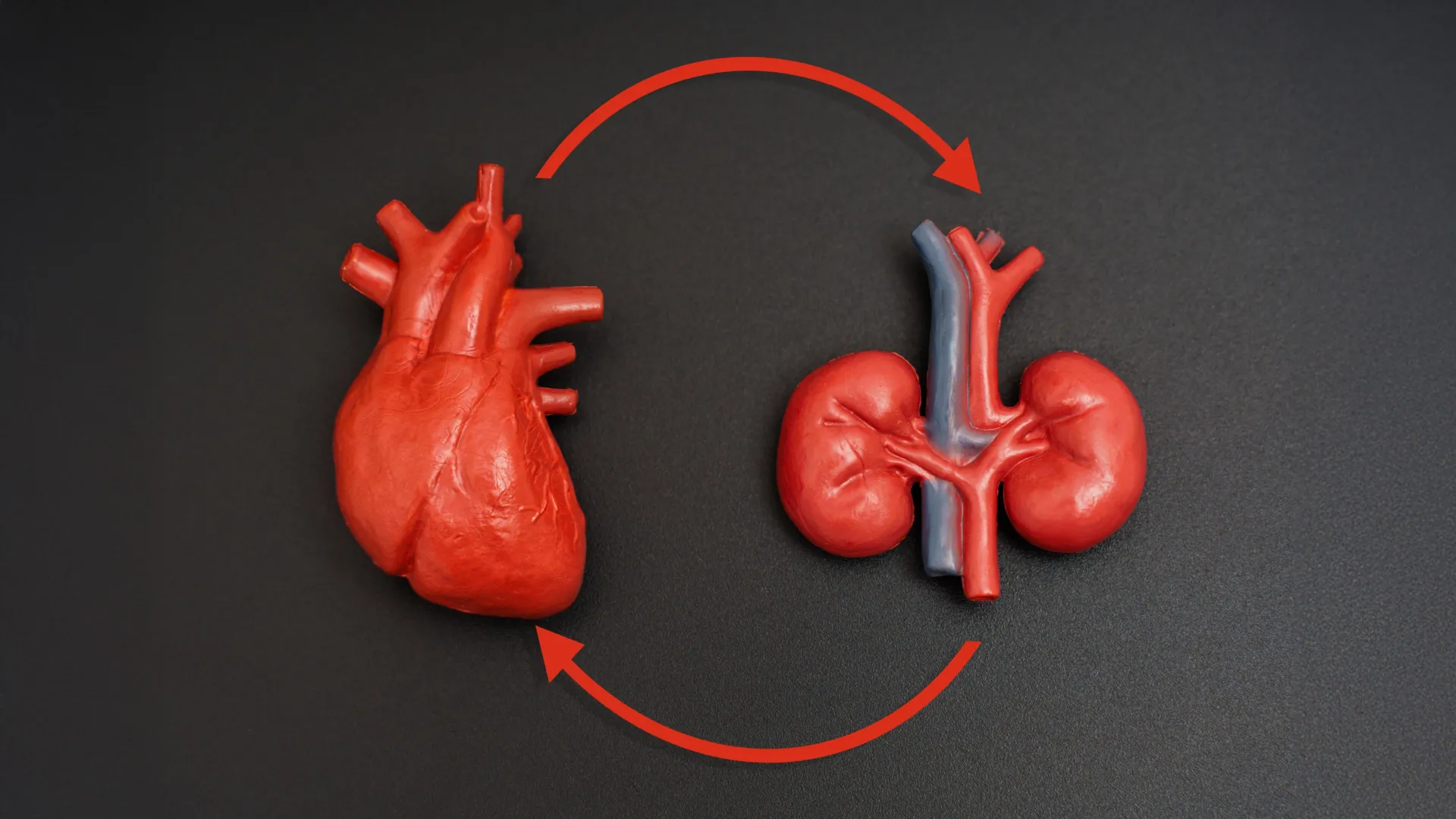
At its most fundamental level, CKM syndrome is a health framework that acknowledges the inextricable links between the heart, the kidneys, and the body’s metabolic processes—the systems responsible for how we create, use, and store energy. When these systems function in harmony, the body maintains a state of homeostasis. When one begins to falter, it creates a "domino effect" of strain that ripples through the others.
The syndrome is defined by the clustering of common risk factors: high blood pressure, abnormal cholesterol levels, elevated blood glucose (sugar), excess body weight, and reduced kidney function. While many Americans are familiar with these conditions as individual health concerns, the danger lies in their synergy. When these issues occur simultaneously, the cumulative risk of catastrophic events—such as heart attack, stroke, and heart failure—is magnified far beyond the risk posed by any single condition alone.
According to the AHA, nearly 90% of U.S. adults possess at least one of these risk factors. This staggering statistic suggests that the majority of the population is, in some capacity, navigating the spectrum of CKM syndrome, whether they are aware of the clinical definition or not.
A Chronology of Awareness and the Path Toward 2026
The recognition of CKM syndrome as a formal, unified health condition is a relatively recent development in the medical timeline. For decades, cardiology, nephrology, and endocrinology operated largely in silos. Patients with diabetes were treated for blood sugar; patients with hypertension were treated for blood pressure. The "missing link" was the clinical realization that these conditions are not just co-occurring—they are physiologically interconnected.
- Pre-2023: Recognition of systemic links began to emerge in specialized research circles, but clinical practice remained fragmented.
- 2023-2024: The American Heart Association began formalizing the CKM framework, moving toward a "whole-patient" approach that prioritizes the interaction between organs.
- August 2025: The Harris Poll, commissioned by the AHA, surveyed 4,007 U.S. adults to gauge public literacy regarding the syndrome. The results were clear: while the name "CKM syndrome" was unfamiliar to most, there was an overwhelming appetite for information once the concept was explained.
- Early 2026 (Forthcoming): The AHA is scheduled to release the first-ever set of clinical guidelines specifically focused on CKM syndrome. This will serve as a roadmap for healthcare providers to shift from siloed treatment to collaborative, interdisciplinary care.
Supporting Data: The Scope of the Challenge
The data provided by the 2025 Harris Poll serves as a sobering snapshot of the American health reality. With a sample size of over 4,000 adults, the survey provides a high degree of statistical confidence (± 2.0 percentage points at a 95% confidence level).
The primary takeaway from the data is the "awareness-interest paradox." While the term "CKM syndrome" is not yet part of the common vernacular, the survey found that once respondents were educated on the "CKM connection"—the idea that the heart, kidneys, and metabolism are tethered together—nearly three-quarters of them expressed an immediate interest in learning more.
This suggests that the public is not indifferent to their health; rather, they have been underserved by a healthcare system that has failed to explain how their disparate health markers are actually part of a single, larger story. The prevalence of these risk factors across all demographics, socioeconomic statuses, and regions underscores the necessity of a national public health intervention.
Official Responses: Shifting the Paradigm of Care
Dr. Eduardo Sanchez, M.D., FAHA, the American Heart Association’s chief medical officer for prevention, has been a leading voice in articulating why this shift is necessary.
"We want people to know that it’s really common to have heart, kidney and metabolic risk factors at the same time," Dr. Sanchez stated. "It is reassuring that once the CKM connection was defined, nearly three-quarters of those responding understood that it was important and wanted to learn more."
For Dr. Sanchez, the goal is to dismantle the barriers between medical specialties. "The heart, kidney and metabolic systems are connected and, as such, should be treated in a coordinated way," he emphasized. "These results reveal the need to emphasize those connections and help patients understand the importance of collaborative care."
The AHA is currently facilitating this transition through its CKM Health Initiative. This initiative is not merely an academic endeavor; it is a practical, resource-heavy program designed to empower both patients and providers. By offering an online resource hub, the AHA is providing the public with the tools to track their health metrics—blood pressure, cholesterol, weight, blood sugar, and kidney function—as a "full circle" of care rather than a list of individual chores.
Implications: The Potential for Reversal and Early Action
Perhaps the most hopeful message to emerge from the recent findings is that CKM syndrome is not necessarily a terminal diagnosis. In many cases, the progression toward full-blown heart failure or chronic kidney disease can be halted or even reversed through early intervention.
The Power of Lifestyle Modification
The "CKM cycle"—where heart stress harms kidneys, and kidney dysfunction exacerbates metabolic issues—is a self-perpetuating loop. However, the reverse is also true. Positive lifestyle changes, including dietary adjustments, increased physical activity, and appropriate medical management of risk factors, can break the cycle.
A New Model for Healthcare Teams
The implications for healthcare delivery are profound. The current model often forces patients to act as their own "medical project managers," carrying records from their cardiologist to their endocrinologist and back again. The CKM initiative advocates for a team-based approach, where healthcare professionals from different disciplines collaborate on a single, unified care plan. This reduces the risk of conflicting treatments and ensures that the patient’s metabolic health is considered during every cardiology checkup, and vice versa.
Empowering the Individual
The AHA’s push for education is designed to turn patients into proactive partners. By simplifying the science behind CKM, the organization hopes to remove the intimidation factor of complex medical terminology. Their new educational videos and digital resources focus on "two truths" of health, reminding individuals that taking care of their overall system is the most effective way to protect against the specific, acute threats of heart attack and stroke.
Conclusion: A Proactive Future
As the medical field looks toward 2026, the rise of CKM syndrome as a recognized health framework represents a pivotal moment in preventative medicine. The transition from managing individual symptoms to treating the "full circle" of heart, kidney, and metabolic health is essential for reducing the burden of chronic disease in the United States.
For the nearly 90% of adults living with at least one risk factor, the message is clear: You are not alone, and your condition is not a mystery. By understanding the connections within your own body, you can take earlier, more effective action to secure your future. For those interested in learning more, the American Heart Association’s resource hub at heart.org/CKMtools offers a vital starting point for both patients and the healthcare professionals tasked with their care.
The path to longevity is no longer just about protecting the heart; it is about protecting the intricate, interconnected ecosystem of the entire body.
Research Methodology Note
The research was conducted online in the United States by The Harris Poll on behalf of the American Heart Association among 4,007 U.S. adults aged 18+. The survey was conducted from August 6 to August 22, 2025. Data were weighted by education, age by gender, race/ethnicity, region, household income, household size, marital status, employment, and smoking status to reflect population proportions. The American Heart Association’s Cardiovascular-Kidney-Metabolic Health Initiative is supported by Founding Sponsors Novo Nordisk and Boehringer Ingelheim, Supporting Sponsors Novartis Pharmaceuticals Corporation and Bayer, and Champion Sponsor DaVita.