In the silent, often agonizing battle against chronic wounds—those that persist for months or even years—a major discovery has emerged from the laboratories of Nanyang Technological University, Singapore (NTU Singapore). An international research team, in collaboration with the University of Geneva, has unlocked a biological secret that could fundamentally change how clinicians treat non-healing wounds, particularly those plagued by antibiotic-resistant bacteria.
Chronic wounds are more than a medical inconvenience; they are a global health crisis. Each year, approximately 18.6 million people worldwide suffer from diabetic foot ulcers, a condition that haunts up to one in three people living with diabetes over their lifetime. These wounds are not merely slow to heal; they are the primary driver behind lower-limb amputations, creating a cycle of infection, inflammation, and physical decay that drastically reduces the quality of life for millions.
The Hidden Saboteur: How E. faecalis Hijacks Human Biology
The study, recently published in the prestigious journal Science Advances, provides a long-awaited answer to a question that has baffled clinicians for decades: Why do some bacterial infections seemingly "paralyze" the skin’s natural repair mechanisms?
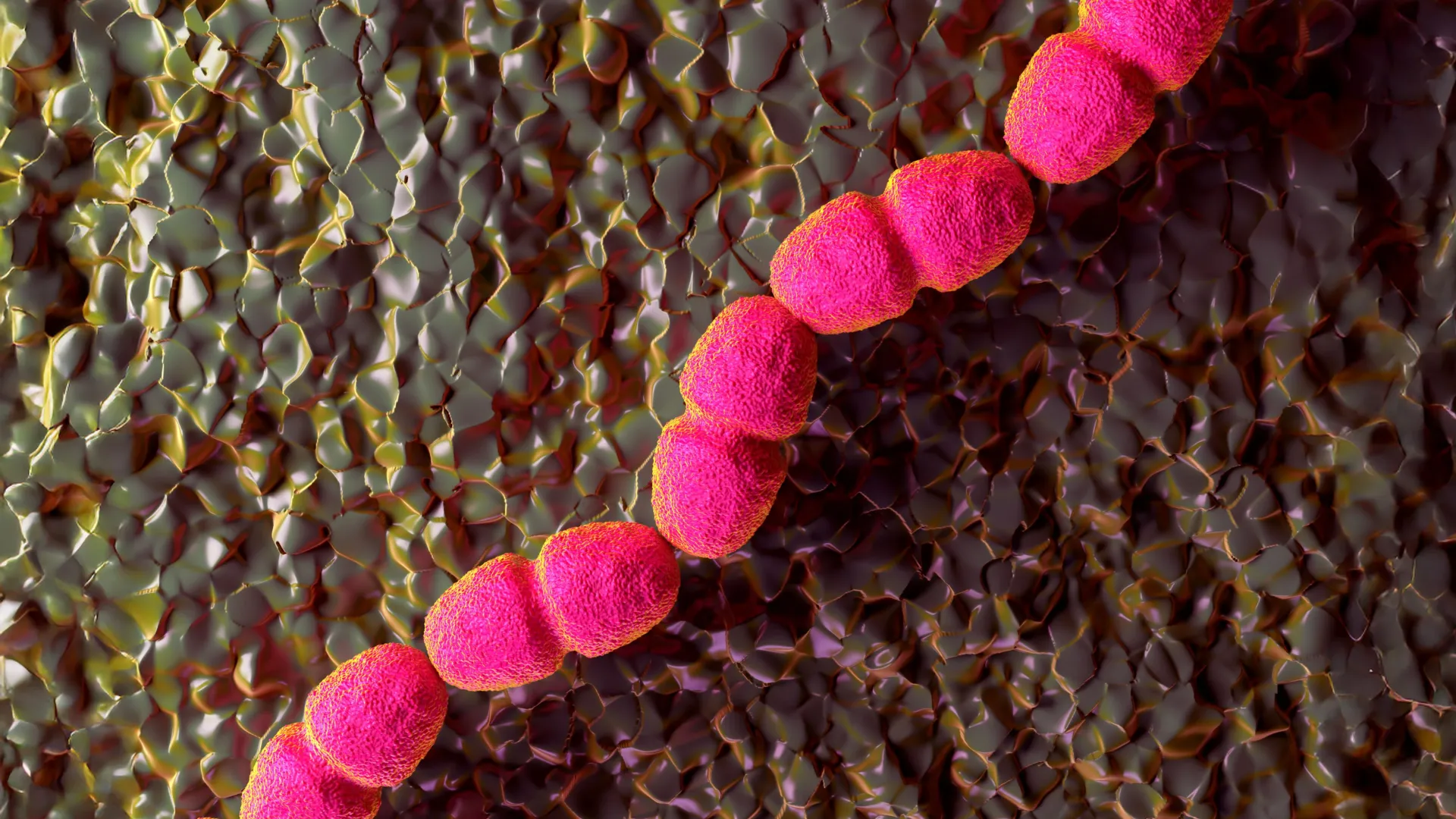
The culprit is Enterococcus faecalis (E. faecalis), a common, opportunistic bacterium often found in the complex, poly-microbial environment of chronic wounds like diabetic foot ulcers, pressure injuries, and venous leg ulcers. While scientists have long understood that bacterial presence slows healing, the exact mechanism was shrouded in mystery. The NTU-led team, spearheaded by Associate Professor Guillaume Thibault and Professor Kimberly Kline, discovered that E. faecalis does not rely solely on the aggressive, toxin-heavy strategies typical of more virulent pathogens. Instead, it employs a sophisticated metabolic subversion.
Through a process known as extracellular electron transport (EET), E. faecalis essentially weaponizes its own metabolic exhaust. As the bacteria thrive, they continuously discharge hydrogen peroxide—a reactive oxygen species (ROS)—directly into the surrounding tissue.
"Our findings show that the bacteria’s metabolism itself is the weapon, which was a surprise finding previously unknown to scientists," explained Assoc Prof Thibault.
The Mechanics of Cellular Stagnation
To understand why this metabolic byproduct is so devastating, one must look at the keratinocytes—the primary cells responsible for the structural integrity and repair of the skin. When these cells are exposed to the hydrogen peroxide generated by E. faecalis, they enter a state of severe oxidative stress.
In a normal, healthy environment, keratinocytes undergo a coordinated migration to seal a wound. However, under the oxidative pressure induced by the bacteria, these cells trigger a protective biological pathway known as the "unfolded protein response" (UPR).
The UPR is essentially an emergency brake. Under normal, temporary stress, it helps cells survive by halting protein production and prioritizing maintenance. However, in the context of a chronic infection, the UPR becomes the patient’s worst enemy. By triggering this response, the bacteria effectively force the skin cells into a state of paralysis. The keratinocytes stop migrating, the wound remains open, and the door remains wide open for further infection and tissue degradation.
A New Paradigm: Neutralizing the Threat, Not Just the Bacteria
The most revolutionary aspect of this research lies in its departure from traditional antibiotic-centric therapies. As antibiotic resistance continues to surge, the medical community is finding it increasingly difficult to clear infections with standard pharmaceutical interventions. E. faecalis has proven particularly adept at developing resistance to common antibiotics, leaving clinicians with limited options.
The NTU research team’s breakthrough suggests a different path: instead of engaging in an escalating arms race to kill the bacteria, we can neutralize the weapon the bacteria uses to cause damage.
During their laboratory experiments, the team treated stressed skin cells with catalase, a naturally occurring antioxidant enzyme capable of breaking down hydrogen peroxide. The results were immediate and transformative: the cellular stress levels plummeted, and the keratinocytes regained their ability to migrate and effectively close the wound.
Implications for Global Health and Future Clinical Practice
The implications of this discovery are profound. By shifting the focus from "killing the bug" to "restoring the function," researchers have opened a door to a new class of wound care therapies.
1. The Rise of "Smart" Wound Dressings
The most immediate potential application lies in the development of advanced wound dressings. If dressings can be infused with catalase or other antioxidants, they could serve as a protective barrier that actively clears the chemical environment of a wound, allowing the body’s natural healing processes to resume even while the bacteria are present.
2. Speeding Up Translation to Clinical Use
One of the greatest hurdles in medical innovation is the long, costly, and often unsuccessful process of drug development. Because enzymes like catalase are already well-understood, widely used, and naturally occurring, the researchers believe that therapies based on this mechanism could bypass many of the developmental hurdles associated with novel synthetic drugs. This "repurposing" approach could see this technology transition from the lab to the patient’s bedside much faster than conventional treatments.
3. Reducing Amputation Rates
For the 16,000 people in Singapore alone who report chronic wound cases annually—and the millions more globally—this discovery offers a tangible hope for avoiding the devastating reality of amputation. By restoring the skin’s ability to heal, clinicians may be able to turn the tide on wounds that have historically been labeled "non-healing."
The Roadmap Ahead: From Bench to Bedside
While the laboratory results are compelling, the research team is taking a cautious and systematic approach to the next steps. The current study has established a clear, causal link between bacterial metabolism and human cell dysfunction, but the transition to human clinical trials requires further validation.
The researchers are currently engaged in ongoing studies using animal models to identify the most effective, sustained methods for delivering antioxidants to the wound site. These studies are designed to ensure that the antioxidant treatment can be delivered in a way that is both safe and effective over the long periods required to heal a chronic wound.
"Instead of focusing on killing the bacteria with antibiotics, which is becoming increasingly difficult and leads to future antibiotic resistance, we can now neutralize it by blocking the harmful products it generates and restoring wound healing," Assoc Prof Thibault reiterated. "We are moving away from targeting the source and toward neutralizing the actual cause of the dysfunction."
Conclusion
The collaborative effort between NTU Singapore and the University of Geneva serves as a masterclass in how basic scientific inquiry can lead to life-altering clinical solutions. By identifying the metabolic "weaponry" of E. faecalis, the team has successfully identified a weakness in an otherwise resilient pathogen.
As the world continues to grapple with the rising threats of antimicrobial resistance and an aging global population prone to diabetes and vascular issues, the move toward "functional restoration"—helping the body heal itself—represents the next frontier in modern medicine. If the upcoming animal trials prove as successful as the initial laboratory experiments, we may soon see a new generation of wound care products that turn the tide on the silent epidemic of chronic, non-healing wounds, proving once again that sometimes the best way to win a battle is not to destroy the opponent, but to neutralize their influence.