







In a significant milestone for the field of sleep medicine and otolaryngology, medical technology innovator Nyxoah has announced the successful implantation of the first patient in the BREATHE study. This landmark US post-approval clinical trial is designed to rigorously evaluate the long-term safety and real-world effectiveness of the Genio system, a pioneering bilateral hypoglossal nerve stimulation therapy intended for adults suffering from moderate to severe obstructive sleep apnea (OSA).
As the prevalence of obstructive sleep apnea continues to rise globally, the medical community remains in constant pursuit of therapeutic alternatives that go beyond traditional continuous positive airway pressure (CPAP) machines. The BREATHE study represents a major shift toward objective, longitudinal evidence-gathering, aiming to bridge the gap between initial regulatory approval and long-term clinical integration.
The Core Objectives of the BREATHE Study
The BREATHE study (an acronym that encapsulates the trial’s focus on respiratory health) is a multicenter, prospective, single-arm post-approval investigation. Its primary mission is to assess the performance of the Genio system outside of the highly controlled environment of a pivotal clinical trial, observing its impact within the varied contexts of routine clinical practice across the United States.
Study Parameters and Scope
The scale of the study is ambitious, reflecting a commitment to robust data collection. Nyxoah plans to enroll up to 229 patients, who will be monitored across approximately 25 clinical centers throughout the United States. Following the initial implantation procedure, participants will be tracked for a duration of five years. This extended follow-up period is critical, as it allows researchers to observe the durability of the device’s performance and the patient’s sustained response to neurostimulation therapy over half a decade.
Defining Success: Primary Endpoints
To evaluate effectiveness, the BREATHE study focuses on two established metrics in sleep medicine:
- Apnea-Hypopnea Index (AHI): A measure of the severity of sleep apnea, defined by the number of apnea and hypopnea events per hour of sleep.
- Oxygen Desaturation Index (ODI): A measure of the frequency of blood oxygen level drops during sleep.
The co-primary effectiveness endpoints will be determined by the responder rates for these indices at the 12-month mark. Beyond these effectiveness metrics, the study places a premium on safety, with researchers tracking device-related and procedure-related serious adverse events at the 12-month point and continuing to evaluate them on an annual basis thereafter.
Chronology of the Genio System’s Journey
The path to the BREATHE study has been marked by significant regulatory and clinical milestones, reflecting the evolving landscape of neurostimulation as a viable treatment for sleep-disordered breathing.
- 2019: Early European Adoption: The Genio system first gained international recognition with the receipt of the CE Mark, allowing it to be used within the European market. This early validation provided foundational data on the feasibility of bilateral nerve stimulation.
- August 2025: FDA Approval: A watershed moment occurred when the US Food and Drug Administration (FDA) granted approval for the Genio system. This regulatory clearance cemented the device’s role as a prescription-only therapy for a specific subset of patients who have found little success with conventional sleep apnea treatments.
- Late 2025 – Early 2026: Preparing for BREATHE: Following the US launch, Nyxoah mobilized a network of sleep medicine physicians and otolaryngologists to prepare for a post-approval study that would satisfy the stringent evidence requirements of the US healthcare system.
- 2026: The First Implant: The successful implantation performed by Dr. Rolando Molina at South Florida ENT Associates serves as the official kickoff for the BREATHE trial, signaling the start of data collection for this five-year, multi-center endeavor.
The Technological Edge: How Genio Works
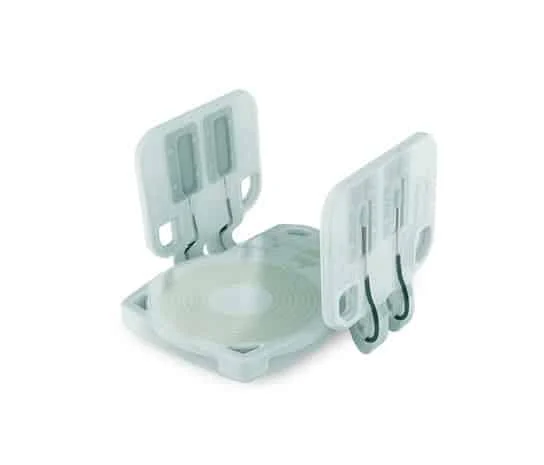
Unlike traditional neurostimulators that may require complex wiring or battery-heavy components, the Genio system is characterized by its patient-centered, leadless, and battery-free design. By utilizing bilateral hypoglossal nerve stimulation, the device provides a targeted approach to airway management.
The device works by delivering mild electrical impulses to the nerves responsible for controlling the tongue and surrounding muscles. By stimulating both sides of the nerve, the Genio system helps maintain airway patency throughout the sleep cycle, preventing the collapse of the tongue that causes the obstructive episodes characteristic of OSA. Because it is battery-free and leadless, the system minimizes the invasive nature of the implantation, offering a more streamlined experience for the patient.
Official Perspectives from the Field
The launch of the BREATHE study has been met with enthusiasm from both the surgical and clinical communities. For practitioners, the study is not just about the device itself, but about establishing a new standard of care.
Dr. Rolando Molina, the otolaryngologist who performed the first procedure, emphasized the transformative potential of this technology. "As an otolaryngologist dedicated to the treatment of sleep-disordered breathing, I have seen firsthand the significant impact obstructive sleep apnea has on patients’ health and quality of life," Dr. Molina stated. He noted that the BREATHE study represents a milestone in the "evolution of sleep surgery and neurostimulation therapy," adding that the procedure provides a tangible way for physicians to shape the future of the field while offering patients a new therapeutic lifeline.
Dr. Edward Mezerhane, a sleep medicine physician and the site principal investigator at PharmaDev Clinical Research Institute, echoed these sentiments. "Obstructive sleep apnea affects millions of people, yet many patients continue to struggle despite available therapies," he remarked. By facilitating a collaboration between sleep physicians and surgeons, the BREATHE study aims to integrate the Genio system into the standard clinical workflow.
Nyxoah’s CEO, Olivier Taelman, highlighted the strategic importance of this data for the wider healthcare ecosystem. "The first BREATHE implant marks the start of the largest prospective study of Genio to date," Taelman said. He emphasized that the real-world evidence generated by this study is precisely what payors, clinicians, and—most importantly—patients demand when evaluating the long-term value of a medical intervention.
Implications for Patients and the Healthcare System
The implications of the BREATHE study extend well beyond the 229 participants involved in the trial.
Bridging the "Evidence Gap"
In the medical technology sector, gaining FDA approval is often only the first step. To ensure broad insurance coverage and widespread clinical adoption, companies must provide "real-world evidence." The BREATHE study is designed to do exactly that by demonstrating how the device performs when it is not being managed by a team of clinical trial specialists, but by everyday practitioners in busy clinics.
Empowering Patients with Options
Many OSA patients find themselves "CPAP-intolerant," leading to low adherence rates and poor long-term health outcomes. By offering a surgically implanted alternative that addresses the root cause of the obstruction rather than just providing pressurized air, the Genio system fills a critical gap. The data from BREATHE will provide patients with the confidence to discuss this option with their doctors, backed by five years of evidence regarding safety and efficacy.
A Multidisciplinary Future
Perhaps the most significant takeaway from the BREATHE study is the emphasis on collaboration between otolaryngologists and sleep medicine physicians. OSA is a complex, multifactorial condition that rarely benefits from a "siloed" approach. By bringing these two specialties together under the umbrella of the BREATHE protocol, Nyxoah is encouraging a more cohesive diagnostic and treatment pathway that could redefine how patients are navigated through the healthcare system—from initial sleep study to final post-operative follow-up.
Conclusion: A New Chapter for Sleep Health
As the BREATHE study begins its multi-year journey, the eyes of the sleep medicine community are focused on the long-term outcomes of the Genio system. The study’s rigorous design, massive scale, and commitment to long-term monitoring suggest that it will set a new benchmark for how post-approval research is conducted in the neurostimulation space.
By shifting the focus from short-term success to five-year durability, Nyxoah is demonstrating a commitment to the long-term well-being of the OSA patient population. If the data mirrors the promising results seen in initial trials, the BREATHE study could be the catalyst that cements bilateral hypoglossal nerve stimulation as a cornerstone of modern sleep apnea treatment, providing relief to millions who have previously struggled to find an effective, sustainable solution for their condition.
As the 25 clinical centers across the US begin their work, the data they gather will not only refine the Genio system but will also enrich the medical literature, providing a clearer, more nuanced understanding of how neurotechnology can restore restful, healthy sleep to the millions of adults currently living in the shadow of obstructive sleep apnea.