







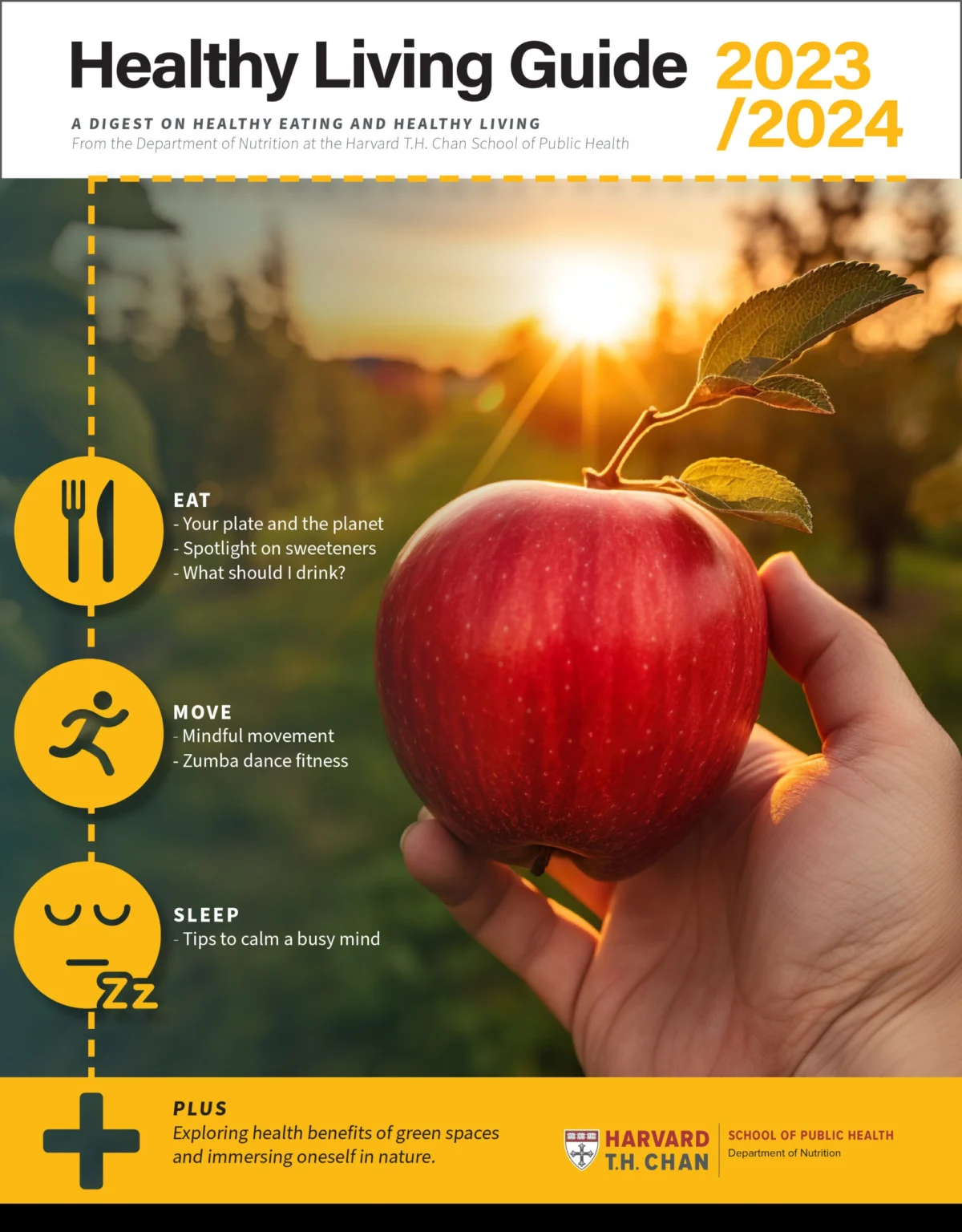
As the calendar turns to 2024, the Department of Nutrition at the Harvard T.H. Chan School of Public Health has released its highly anticipated fourth edition of the Healthy Living Guide. This year’s publication arrives at a pivotal intersection of nutritional science and mental wellness, reflecting a significant institutional shift toward integrating contemplative practices into public health frameworks. With the launch of the Thich Nhat Hanh Center for Mindfulness in Public Health, the discourse surrounding healthy living has expanded beyond simple caloric intake and step counts, venturing into the profound impact of intentionality and presence on long-term physiological health.
The Foundation: A Paradigm Shift in Nutritional Science
The central theme of this year’s Guide is the integration of "mindful eating" as both a personal wellness tool and a strategy for planetary health. Drawing inspiration from the late Zen master Thich Nhat Hanh—who famously noted, "The apple in your hand is the body of the cosmos"—the Guide posits that the act of eating is not merely a biological necessity, but a systemic connection between the individual and the environment.
Main Facts and Institutional Evolution
The 2023-2024 edition is anchored by the inaugural year of the Thich Nhat Hanh Center for Mindfulness in Public Health. Unlike previous iterations of the Guide, which focused heavily on evidence-based nutritional standards and clinical outcomes, this version adopts a holistic lens. The research team emphasizes that the food system is intrinsically linked to global sustainability. By fostering a mindful approach to consumption, the Department of Nutrition aims to address the double burden of malnutrition and obesity while simultaneously reducing the carbon footprint of dietary choices.
Chronology of Research: The Path to the 2024 Guide
The development of this year’s recommendations is the culmination of a decade of focused research at the Harvard Chan School.
- 2013–2018: Early longitudinal studies established the foundation for the "Healthy Eating Plate," shifting the focus away from antiquated food pyramids and toward whole-food, plant-forward diets.
- 2019–2021: The emergence of global pandemic stressors prompted a pivot toward mental health research, specifically the link between gut microbiome health, systemic inflammation, and psychological well-being.
- 2022: The official announcement of the Thich Nhat Hanh Center marked a formal institutional pivot, integrating mindfulness-based stress reduction (MBSR) into existing metabolic health research.
- 2023: A year of high-output research, specifically focusing on the hazards of ultra-processed foods (UPFs) and the physiological benefits of synchronized circadian rhythms.
- 2024: The publication of the current Healthy Living Guide, synthesizing these disparate fields into a cohesive, actionable resource for the public.
Supporting Data: Nutrition, Movement, and Sleep
The Guide serves as a repository for the most robust data sets in public health, categorizing wellness into three pillars: nutrition, physical activity, and sleep.
The Ultra-Processed Food Crisis
One of the most compelling sections of the 2024 report highlights the direct correlation between the consumption of ultra-processed foods and cognitive decline. Recent findings suggest that diets high in additives, artificial sweeteners, and preservatives are not only linked to metabolic syndrome but are also significant contributors to the rising rates of depression and anxiety in industrialized nations. The Guide offers evidence that a transition toward minimally processed whole foods can lead to measurable improvements in mood stability within as little as four weeks.
Physical Activity and Behavioral Synchrony
The report challenges the "exercise as punishment" narrative. By spotlighting research on "rhythmic movement"—such as Zumba and other dance-based fitness—the Guide illustrates how movement, when synchronized with music and social interaction, triggers a release of endorphins and dopamine that is significantly higher than repetitive, solitary exercise. This highlights the importance of the experience of physical activity, not just the mechanical output.
The Science of Chronotypes
Perhaps the most technical segment of the Guide involves "chronotypes"—the natural internal clocks that dictate when an individual feels most alert or sleepy. The Guide provides evidence that forcing "night owls" to adhere to early-morning schedules is a significant driver of chronic cortisol elevation. The 2024 edition provides tools for readers to identify their unique chronotype and adjust their dietary and professional habits to better align with their internal biology, rather than fighting against it.
Official Perspectives: The Role of Mindfulness in Policy
Leading researchers from the Department of Nutrition argue that the "population-level" application of mindfulness is the next great frontier in public health policy. By encouraging individuals to be present during their meals, the Department posits that we can naturally regulate portion sizes and improve nutrient absorption through better digestive engagement.
"Mindfulness is not a luxury; it is a physiological necessity for modern survival," states one of the lead researchers. The Center for Mindfulness in Public Health is currently working on initiatives to bring these practices into urban school systems and low-income community health centers. The goal is to democratize wellness, ensuring that the benefits of mindful eating are not relegated to affluent populations, but are accessible to everyone, regardless of socioeconomic status.
Implications for Public Health and Individual Wellness
The implications of the 2023-2024 Healthy Living Guide are twofold: for the individual, it provides a roadmap to reclaim autonomy over health in an environment that is increasingly "obesogenic" and high-stress. For public health officials, it signals a move toward preventative, non-pharmaceutical interventions.
Transforming the Daily Routine
The Guide advocates for several key behavioral changes:
- Sensory Engagement: Eating without the distraction of screens to improve the brain-gut connection.
- Environmental Alignment: Adjusting sleep and exercise windows to honor individual circadian rhythms.
- Whole-System Awareness: Understanding that every food choice has an environmental cost, thereby encouraging more sustainable and ethical purchasing habits.
A Call to Action
The Guide is not merely a document to be read but a workbook to be utilized. With printable tip sheets and summary charts, the Department of Nutrition has ensured that the complex scientific data is distilled into practical, daily actions. Whether it is through the "test your knowledge" quizzes—which help cement the lessons of the previous year—or the direct links to full-length studies, the Guide provides a comprehensive resource for those serious about longevity.
Conclusion: Looking Toward a Mindful Future
As we navigate 2024, the message from the Harvard Department of Nutrition is clear: the path to longevity is paved with mindfulness. By aligning our biological needs with our daily habits, we do more than just survive; we optimize our potential.
The integration of the Thich Nhat Hanh Center’s research into the Healthy Living Guide represents a sophisticated maturation of health discourse. It moves us away from the restrictive, numbers-driven diets of the past and toward a more intuitive, sustainable, and compassionate way of living. For those looking to improve their health in the coming year, downloading the 2023-2024 Healthy Living Guide is not just an opportunity to learn; it is an invitation to transform the way one interacts with their own body, their community, and the planet at large.
The evidence is in, the research is peer-reviewed, and the call to action is clear. It is time to treat the body as a reflection of the cosmos—with respect, intention, and, above all, mindfulness.