






By Jackie Keating, LCSW
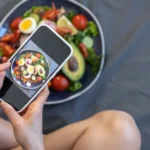
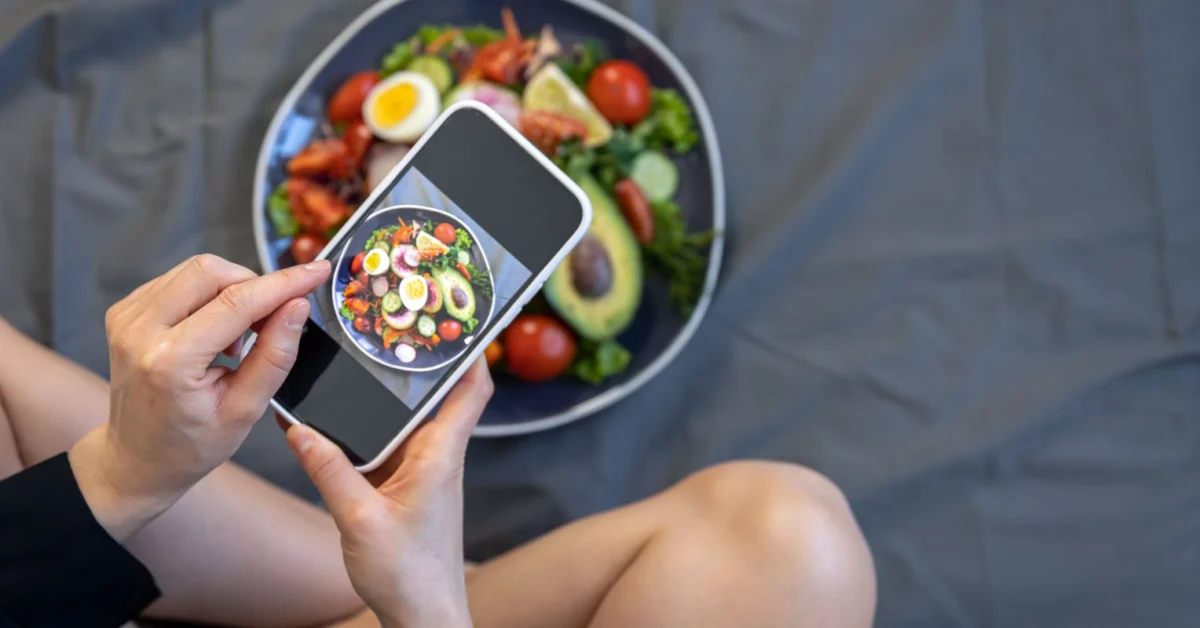
It is a familiar Sunday night ritual: you are lying in bed, the glow of your smartphone illuminating the dark room as you scroll through an endless feed of curated content. You are looking for a brief moment of escape, a way to decompress before the work week begins. Instead, you are greeted by an influencer’s “What I Eat in a Day” video. The meals are surgically precise, devoid of carbohydrates, and strictly calorie-counted. A few scrolls later, another creator is joking about the “necessity” of wine to cope with the stresses of motherhood, followed immediately by an aggressive advertisement for a fitness program promising to “fix your life” in three simple, transformative steps.
By Monday morning, these digital echoes manifest in real-world conversations. A coworker announces a restrictive new diet; a friend texts about “getting summer-ready”; and a high-profile celebrity promotes a new plant-based lifestyle with the fervor of a religious convert. The message is relentless and pervasive: your current self is a project in need of constant, rigorous optimization.
The Architecture of Influence: How Social Media Fuels Diet Culture
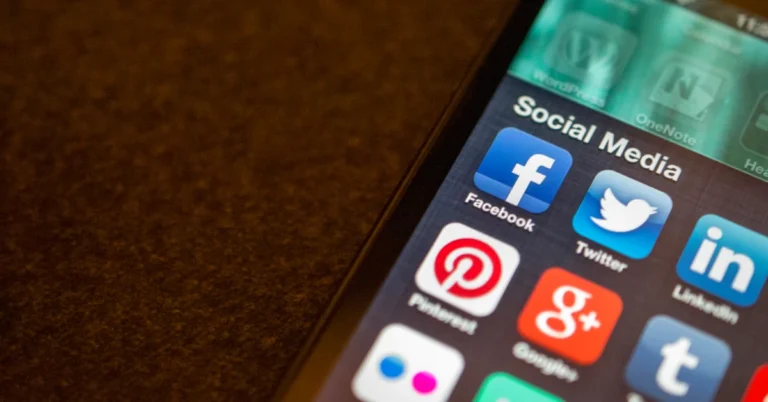
Social media platforms are designed to foster connection, but they have simultaneously become the primary vectors for the spread of diet culture—a system of beliefs that equates thinness and specific eating patterns with health, virtue, and moral success. While diet culture promises happiness and longevity, it often delivers a toxic cocktail of shame, guilt, and debilitating anxiety.
The wellness industry, a juggernaut that surpassed $160 billion in 2024 and is projected to reach $360 billion by 2034, has masterfully weaponized digital insecurity. Digital creators, often lacking any formal nutritional or medical training, curate content that demonizes specific food groups and promotes “hacks” that exploit the user’s self-esteem for profit.
The Illusion of Perfection
Beneath the glossy, aestheticized images of “clean eating” often lie the darker realities of extreme restriction, compulsive fasting, and chronic psychological distress. The influencer who appears to have found the “secret” to health is frequently masking a struggle with orthorexia, anxiety, or depression. For the viewer, the implication is clear: if you simply mirrored their restrictive habits, you, too, could achieve their curated level of happiness.
Data from the REACH Institute (2025) highlights the devastating impact of this exposure. Nearly half (46%) of teens aged 13–17 report feeling worse about their own bodies after spending time on social media. Perhaps more alarmingly, those who spend more than three hours a day on social media are twice as likely to develop eating disorders compared to their peers with lower screen time.
A Chronology of Normalization
The integration of diet culture into our digital lives did not happen overnight; it was a steady process of normalization.
- The Early Era (2010–2015): Social media began to shift from a tool for communication to a platform for lifestyle branding. The rise of the "fitspo" (fitness inspiration) movement introduced the idea that one’s body was a status symbol.
- The Influencer Boom (2016–2020): With the rise of Instagram and the professionalization of content creation, dieting became a product. "What I Eat in a Day" videos gained traction, providing a blueprint for disordered eating behaviors disguised as "wellness."
- The Algorithm Acceleration (2021–Present): TikTok’s algorithmic feed began prioritizing high-engagement content, which frequently includes extreme dieting trends and "body checking." The normalization of substance use—specifically the “wine mom” culture and the glorification of party-lifestyle drugs—began to mirror the same patterns of escapism and coping found in restrictive eating.
The Intersection of Eating Disorders and Substance Use
Perhaps the most dangerous trend in modern digital culture is the overlap between eating disorders (EDs) and substance use disorders (SUDs). While they appear distinct, they are both fundamentally maladaptive coping mechanisms. They are tools used to manage overwhelming stress, trauma, or the pressure to maintain an unattainable standard of beauty.
According to the National Eating Disorders Association (2023), approximately 50% of people struggling with an eating disorder also misuse alcohol or drugs. This is not a coincidence. Research by Xi and Galaj (2025) suggests an interdependent relationship: the neurological pathways that drive the obsession with caloric restriction are often the same pathways that crave the chemical relief of substances.
The Normalization of Coping Mechanisms
Social media platforms frequently glamorize these behaviors side-by-side. An influencer might post a picture of a salad next to a bottle of wine, framing both as “balance.” This creates a dangerous cultural shorthand: restrict your food to be "good," and use substances to deal with the inevitable misery of that restriction. This makes it perilously easy to slide from one harmful behavior to another without ever recognizing the presence of a clinical disorder.
The Deadly Reality: Co-Occurring Disorders
When eating disorders and substance use disorders overlap, the medical and psychological outcomes are catastrophic. Anorexia nervosa already holds the highest mortality rate of any mental illness. When combined with substance misuse, the risk of fatality skyrockets.
Studies indicate that the presence of co-occurring alcohol or drug use can nearly quadruple the mortality risk compared to an eating disorder alone (Mellentin et al., 2022). These individuals face a compound crisis: they are battling the physical ravages of malnutrition while simultaneously dealing with the neurochemical and behavioral effects of substance dependence. Furthermore, they are at significantly higher risk for suicide and severe psychiatric comorbidities, including major depression and generalized anxiety disorder (SAMHSA, 2025).
Implications for Treatment and Recovery
The current state of our medical system is, unfortunately, ill-equipped to handle this dual crisis. We live in an era of fragmented care, where patients are often bounced between specialized ED treatment centers and substance abuse clinics.
For someone struggling with both, recovery can feel like a game of “whack-a-mole.” A patient may address their caloric restriction in one facility, only to find that their underlying reliance on substances—often used to suppress appetite or manage the anxiety of recovery—is ignored. Conversely, substance abuse treatment often fails to address the deep-seated body image issues that triggered the initial restrictive behaviors.
Moving Toward Integrative Care
Clinical professionals are now calling for a paradigm shift. We must move toward an integrative approach that addresses the "whole person" rather than the symptoms. This requires:
- Unified Diagnosis: Recognizing that EDs and SUDs often share the same biological and psychological roots.
- Cultural Deconstruction: Clinicians must work with patients to deconstruct the harmful social media narratives that fuel their disorders.
- Early Intervention: As screen time correlates with increased risk, pediatricians and mental health professionals must incorporate "digital wellness" and social media literacy into standard preventative care.
Conclusion: Reclaiming Health from the Profit-Driven Wellness Industry
The digital world is not going away, but our relationship to it must change. We must transition from passive consumers of “wellness” content to critical thinkers who recognize when a platform is profiting from our insecurity.
The battle against diet culture is not just a personal struggle; it is a public health necessity. Until we address the systemic forces that equate thinness with health and use substances to mask the resulting trauma, we will continue to see a rise in these co-occurring disorders. Reclaiming one’s health requires rejecting the “simple 3-step” solutions sold by influencers and instead embracing the long, often difficult, but ultimately rewarding journey toward genuine, individualized well-being.
References
- Dane, A., & Bhatia, K. (2023). The social media diet: A scoping review to investigate the association between social media, body image and eating disorders amongst young people. PLOS Global Public Health.
- Finklea, K. (2025). The wrong influence: The link between diet culture and eating disorder. HopeHealth.
- Gordon, K. H., et al. (2023). Co-occurring substance use and eating disorders. Psychiatric Times.
- Mellentin, A. I., et al. (2022). The impact of alcohol and other substance use disorders on mortality in patients with eating disorders. The American Journal of Psychiatry.
- National Eating Disorders Association (2023). Statistics & Research on Eating Disorders.
- Pierce, S., Joy, J. M., & Wiss, D. A. (2025). Abstinence-based treatment of comorbid eating disorders and ultra-processed food addiction. Frontiers in Psychiatry.
- SAMHSA (2025). Breaking the silence: What everyone should know about eating disorders.
- The REACH Institute (2025). How social media is impacting teens.
- Xi, Z.-X., & Galaj, E. (2025). Novel potential pharmacological approaches in treating eating disorders comorbid with substance use disorders. Biomedicine & Pharmacotherapy.