









In the golden years of life, the pursuit of health is often focused on cardiovascular stamina or dietary adjustments. However, one of the most fundamental pillars of longevity—posture—is frequently overlooked until it manifests as chronic pain or mobility loss. Maintaining upright, intentional posture is not merely a matter of physical appearance; it is a critical component of functional independence, injury prevention, and systemic well-being.
As we age, gravity exerts a relentless pull on our musculoskeletal system. Without active maintenance, this can lead to the "stooped" posture often associated with aging. By standing tall, we ensure that our body weight is properly centered over our feet, reducing unnecessary strain on the spine, hips, and knees. According to experts at Harvard Health Publishing, optimal posture is the foundation of efficient movement, allowing for correct form during daily activities and formal exercise, which significantly mitigates the risk of debilitating injury.
The Functional Implications of Balance and Alignment
For those over the age of 60, the integration of balance training into a daily routine is no longer optional—it is a necessity. Proper alignment acts as a force multiplier for hobbies that define a high quality of life. Whether it is the quick lateral movements required for pickleball, the rotational power needed for a golf swing, the core strength essential for yoga, or the stability required for gardening and dancing, posture dictates performance.
When the body is properly aligned, energy expenditure is optimized. Conversely, poor posture creates a "leaky" kinetic chain, where the body wastes energy trying to stabilize an imbalanced frame. This inefficiency not only leads to premature fatigue but also increases the likelihood of falls, which remain a leading cause of injury among the elderly.
The "Back Brace" Fallacy: A Cautionary Note
Many individuals, seeking a quick fix for back pain or a slump, turn to back braces. However, Dr. Jessi Heinsohn, PT, DPT, a Physical Therapist at ATI Physical Therapy, cautions that these external supports often do more harm than good.
"Relying on a back brace is similar to always using a calculator," Dr. Heinsohn explains. "It may get you the right answer, but you don’t know how to do it yourself. A back brace, while in some cases useful or needed for acute recovery, often encourages our brain to turn off the postural support our muscles are meant to provide. Our bodies are smart and try to conserve as much energy as possible; if you give it a crutch, it will use it. Constant use of a back brace will further atrophy the stabilizer muscles and ultimately worsen your natural resting posture."
Rather than relying on passive support, Dr. Heinsohn advocates for active engagement. Strengthening the body from the inside out is the only sustainable way to maintain a youthful, pain-free stature.
Core Exercises to Reclaim Your Posture
To build long-term postural integrity, Dr. Heinsohn suggests four specific, at-home movements that target the muscles responsible for holding the body upright.
1. Scapular Retractions: Reclaiming Shoulder Health
Scapular retractions serve as a foundational movement to fire up the muscles in the central thoracic region. These muscles are essential for supporting proper shoulder blade positioning and preventing the "rounded shoulder" look that often accompanies desk work and aging.
- The Technique: Focus on drawing the shoulder blades together and down, as if tucking them into your back pockets.
- The Nuance: "You may feel some tightness in your chest or even the front of your neck, but you should also feel the muscles on your back between your shoulder blades working," Dr. Heinsohn notes.
- The Pro-Tip: Avoid the common pitfall of arching the lower back or pushing the chest too far forward. The movement should be localized to the shoulder blades.
2. Seated Good Morning: Strengthening the Posterior Chain
The posterior chain—a group of interconnected muscles running from the upper back and neck down to the calves—is the body’s primary support system. The Seated Good Morning is an effective way to wake up these muscles without the high impact of standing exercises.
- The Technique: While seated, hinge at the hips while keeping the spine neutral. This movement forces the muscles of the back and hamstrings to stabilize the torso against gravity.
- The Nuance: This exercise can be limited by hip mobility, so it is vital to prioritize technique over range of motion.
- The Pro-Tip: Execute the movement slowly. Adding a slight hold at the bottom of the hinge will force the posterior chain to engage more deeply, yielding greater strength gains over time.
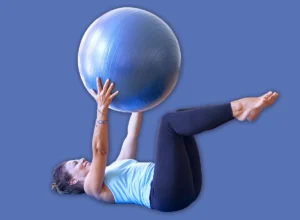
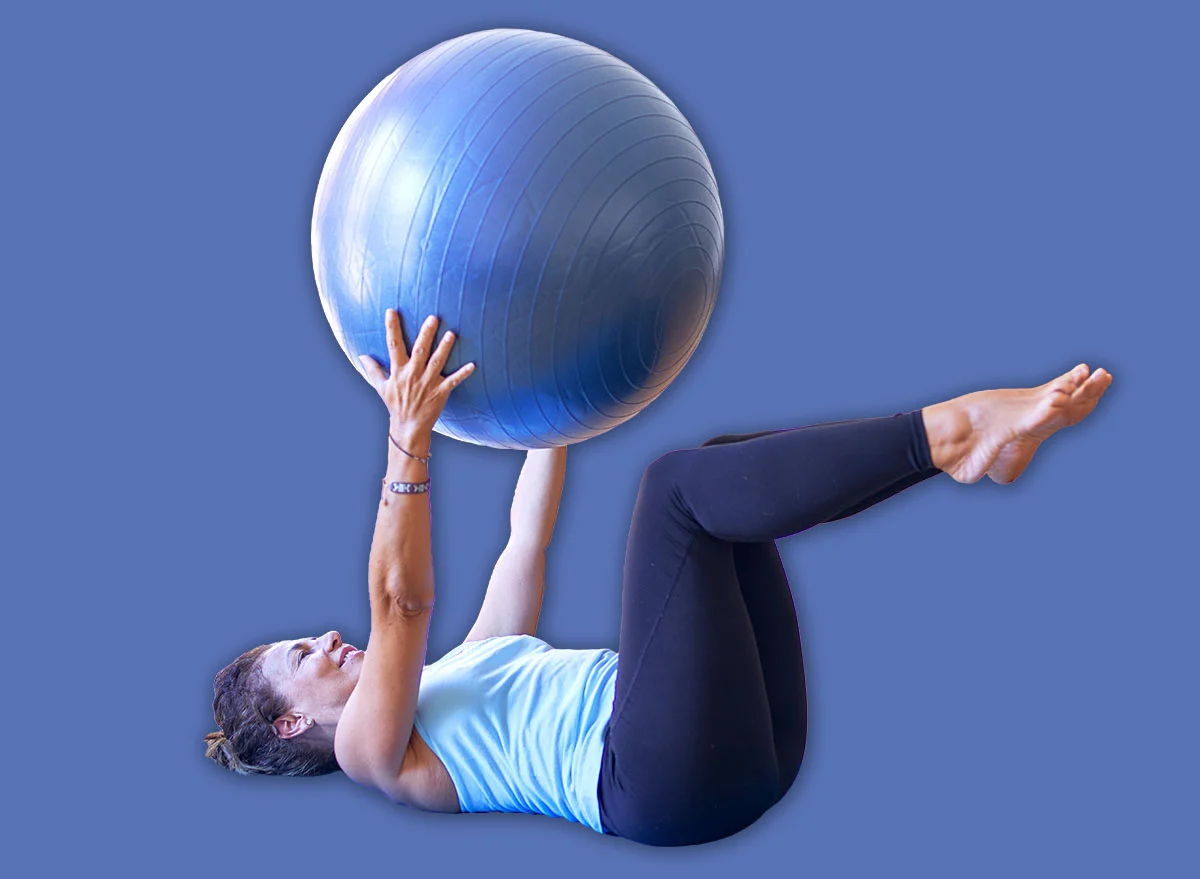
3. 90/90 Dead Bug Isometric With Swiss Ball
Spinal stability is rarely about the "six-pack" muscles; it is about the deep transverse abdominis. The Dead Bug variation with a Swiss ball is a gold-standard exercise for training the core to protect the spine.
- The Technique: By pressing the hands and knees into a Swiss ball, you create an isometric challenge that forces the abdominal wall to activate and stabilize the spine.
- The Nuance: The key is to maintain a flat back against the floor throughout the duration of the hold.
- The Pro-Tip: Do not hold your breath. Controlled, rhythmic breathing is essential; it forces the abdominals to stabilize the body while the diaphragm is in motion, mimicking the way we use our core during real-world tasks like lifting groceries or standing up from a chair.
4. Wall Angels: The Ultimate Postural Reset
Wall Angels are arguably the most effective movement for correcting forward-head posture and the "slump" that occurs after hours of sitting.
- The Technique: Stand with your back against a wall, keeping your heels, glutes, upper back, and head in contact with the surface. Raise your arms to create a "goalpost" shape and slide them up and down the wall.
- The Nuance: This targets the scapular stabilizers and improves thoracic mobility, which is often the first area to lose range of motion with age.
- The Pro-Tip: If your current range of motion prevents your head from touching the wall while keeping your chin tucked, do not force it. Use a small rolled towel between your head and the wall to provide a comfortable tactile cue.
The Long-Term Implications of Proactive Movement
Adopting these exercises is not merely about looking better in a mirror; it is about preserving the autonomy of your musculoskeletal system. When you strengthen the muscles that govern posture, you are essentially "future-proofing" your body against the most common complaints of aging: lower back pain, neck stiffness, and balance-related falls.
By moving away from crutches like back braces and moving toward intentional, muscular engagement, you empower your nervous system to maintain an upright, healthy alignment. This shift in mindset—from passive support to active maintenance—is the hallmark of successful, healthy aging.
As Dr. Heinsohn’s clinical experience demonstrates, the body is highly adaptable, even in the later stages of life. Consistency in these four movements can lead to noticeable improvements in ease of movement, range of motion, and overall vitality. By dedicating just a few minutes each day to these postural resets, you aren’t just training for the present; you are building the foundation for a more mobile, independent, and vibrant future.