










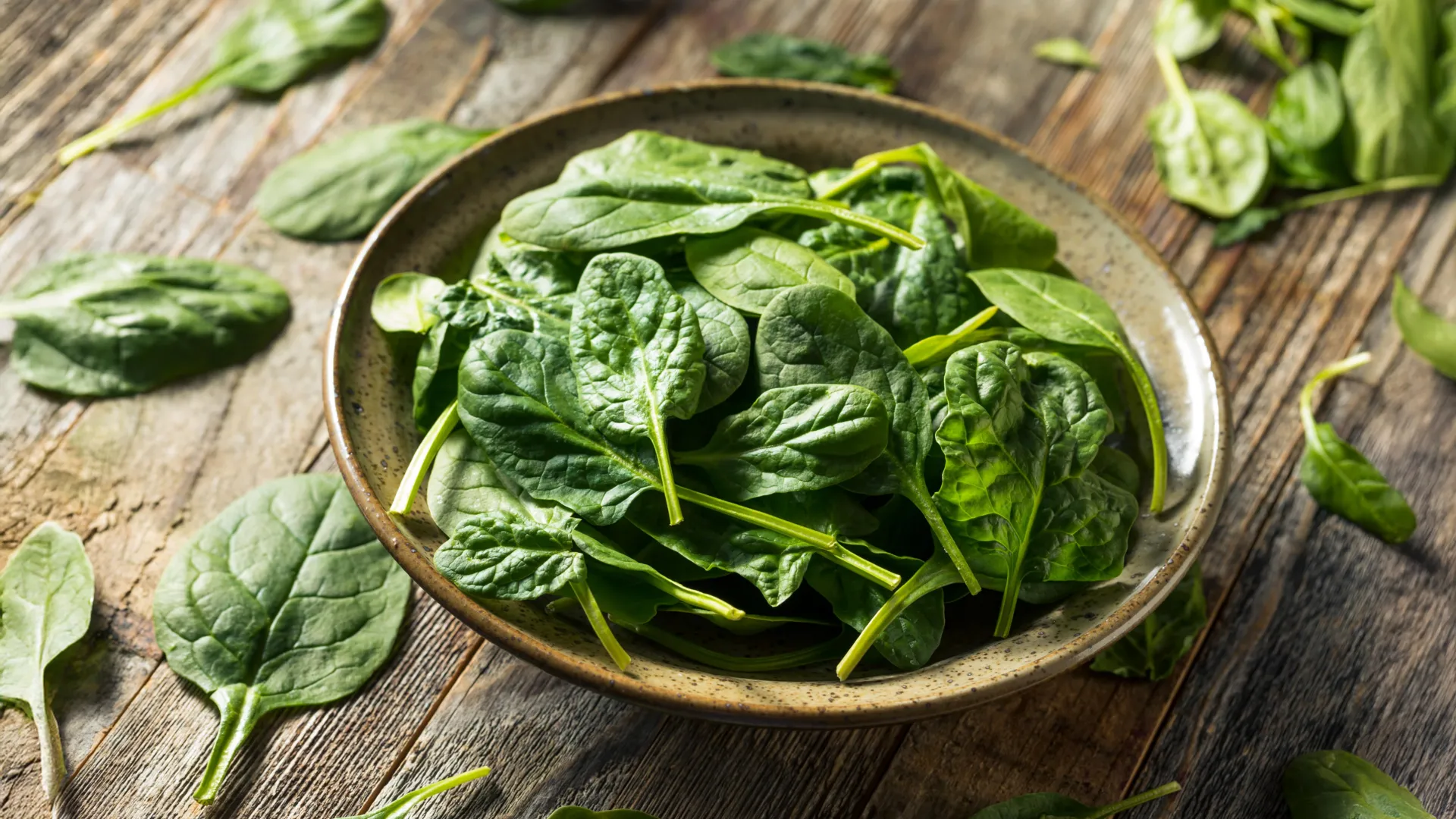
For decades, patients with inflammatory bowel disease (IBD)—a category encompassing Crohn’s disease and ulcerative colitis—have navigated a complex landscape of dietary advice. While physicians often emphasize the importance of nutrient-dense, plant-based foods like spinach, almonds, and sweet potatoes, a groundbreaking study from the University of North Carolina (UNC) School of Medicine suggests that for some patients, these healthy staples may harbor a hidden catalyst for intestinal inflammation: oxalate.
Published on August 13, 2026, in the journal Cellular and Molecular Gastroenterology and Hepatology (CMGH), this research challenges the conventional understanding of how the gut processes plant-based compounds. By identifying a potential biological failure in how the IBD-affected gut manages oxalate, researchers have opened a new frontier in personalized nutrition and molecular medicine.
The Core Discovery: A Breakdown in Gut Transport
At the heart of the study is a naturally occurring compound called oxalate, found in varying concentrations in almost all plant foods. In a healthy human digestive system, the body efficiently manages oxalate, allowing most of it to pass through the digestive tract and be eliminated safely in stool.
However, the UNC research team, led by postdoctoral scholar Dr. Anna Salvador and Dr. Shehzad Z. Sheikh, discovered that this clearance process is significantly compromised in patients with IBD. The researchers identified two specific transporter proteins, SLC26A2 and SLC26A3, responsible for moving oxalate out of the intestinal lining. In patients with both Crohn’s disease and ulcerative colitis, these proteins were found to be present at consistently lower levels.
Crucially, this reduction in transporter expression was observed regardless of whether the tissue was currently experiencing active inflammation. Furthermore, there was a direct correlation: the more severe the tissue inflammation, the lower the expression of these vital proteins. When these transport systems fail, oxalate lingers in the intestinal environment, where it may trigger or amplify the chronic inflammation characteristic of IBD.
Chronology of the Research: From Patient Observation to Molecular Proof
The road to this discovery began with a simple but profound question: Could a specific dietary molecule be an active driver of inflammation rather than merely a bystander?
Phase 1: Human Clinical Analysis
The researchers began by analyzing gene activity, stool oxalate levels, and dietary patterns in two cohorts: those with IBD and healthy control subjects. To ensure the highest level of accuracy in dietary tracking, the team utilized the Diet History Questionnaire III, a validated tool for assessing nutrient intake.
In a pioneering move, the team also employed DNA metabarcoding—a sophisticated molecular method used to identify plant species within stool samples. This marked the first time such technology has been applied to study diet within an IBD population. The results were startling: despite both groups consuming similar quantities of plant-based foods, patients with Crohn’s disease exhibited significantly higher levels of oxalate in their stool. This confirmed that the issue was not the volume of food consumed, but a fundamental, biological defect in how the IBD-affected gut processes oxalate.
Phase 2: Animal and Cellular Validation
To determine if this accumulation was a cause or a consequence of disease, the team transitioned to laboratory models.
- Survival Rates: Mice fed an oxalate-supplemented diet alongside an agent that induces colitis showed a 60% lower survival rate compared to those who did not receive the extra oxalate.
- Disease Progression: In mice genetically predisposed to spontaneous colitis, high-oxalate diets caused the disease to manifest earlier and with greater severity.
- Pre-existing Deficits: Notably, the genetically susceptible mice exhibited reduced activity of oxalate-transporting genes even before oxalate was added to their diet, mirroring the human clinical findings.
In cellular experiments, the team observed that exposure to oxalate intensified inflammatory responses in macrophages and dendritic cells—the "gatekeepers" of the intestinal immune system. This confirmed that oxalate acts as a direct, pro-inflammatory stimulus within the intestinal environment.
Supporting Data: The Link to Disease Severity
Beyond the general inflammatory response, the researchers identified a potential biomarker for disease progression. In an exploratory analysis, low expression of the transporter protein SLC26A6 was linked to "stricturing" Crohn’s disease—a severe, aggressive form of the condition characterized by the buildup of scar tissue that narrows the intestine.
Nearly 75% of patients in the study who exhibited low SLC26A6 expression were also suffering from this restrictive, scarring form of the disease. While the researchers emphasize that this finding requires verification in larger, multi-center trials, it hints at a future where doctors might measure oxalate transporter activity to predict which patients are at higher risk for complicated disease phenotypes.
Official Responses and Expert Perspectives
The study has been lauded for its scientific rigor and its potential to shift the paradigm of IBD management. Dr. Shehzad Z. Sheikh, Professor of Medicine and Genetics at UNC and the senior author of the study, praised the innovative nature of Dr. Salvador’s work.
"Dr. Salvador really conceptualized and drove this work from the beginning," Dr. Sheikh stated. "She asked a question that hadn’t been asked before: What if a specific dietary molecule is an active driver of gut inflammation in IBD, not just a bystander? The rigor she brought to answering it is what makes these findings so compelling."
Dr. Salvador noted that the findings emphasize the complexity of the patient experience. "For the first time, we observed that IBD patients and healthy controls were eating similar amounts of plant-based foods yet Crohn’s patients still had more oxalate in their stool," Salvador said. "That told us this isn’t just about what patients eat. Something is fundamentally different about how their gut handles oxalate."
Clinical Implications: A New Therapeutic Angle
For patients and practitioners, the most important takeaway is that these findings are not a mandate to abandon plant-based diets. Nutrition remains a cornerstone of health, and fiber-rich, nutrient-dense foods are essential for long-term wellness.
Instead, the research suggests a need for precision nutrition. For genetically susceptible individuals, even moderate intake of high-oxalate foods may exacerbate inflammation. The researchers propose several future avenues for management:
- Microbiome Modulation: The human gut microbiome plays a role in breaking down oxalate. A bacterium known as Oxalobacter formigenes is particularly adept at this task, yet it is often less abundant in patients with IBD. Future therapies may focus on restoring this bacterial population to help clear oxalate before it can cause damage.
- Precision Dietary Guidelines: As more data is gathered, clinical guidelines may evolve to help patients identify "low-oxalate" plant alternatives, ensuring they receive the benefits of a plant-rich diet without the associated inflammatory risk.
- Molecular Frameworks: By viewing diet through the lens of molecular transport, clinicians may be able to tailor treatment plans based on a patient’s unique genetic expression of transporter proteins.
"Diet is one of the most powerful, modifiable levers we have in medicine," Dr. Sheikh concluded. "This study gives us a molecular framework to start using it more precisely."
While the research team cautions that more extensive, longitudinal studies are required before formal clinical recommendations are updated, the implications are clear: the conversation surrounding IBD management is moving away from broad, one-size-fits-all dietary advice toward a nuanced, biology-driven approach. By understanding the intricate dance between the food we eat and the transporters in our gut, researchers are moving closer to a future where diet is a primary tool for disease remission rather than a source of hidden harm.