






By Nikhil Sadavarte
For millions of individuals, the transition from wakefulness to sleep is a sanctuary—a predictable, restorative ritual that resets the body’s internal machinery. However, for those living with chronic pain, the act of lying down is not a surrender to rest, but the beginning of a nightly battle. The internal landscape of a person with chronic physical ailments is defined not by their ambitions or their academic milestones, but by the finite nature of their energy reserves. This is the reality of navigating a life where every movement is calculated, every step is a negotiation, and "tired" has ceased to be a temporary state and has become a permanent, stifling condition.
The Chronology of a Restless Night
The experience of chronic pain follows a rigid, unforgiving chronology. For the sufferer, the day often ends with a desperate hope for a reprieve that rarely arrives.
At 8:42 p.m., the exhaustion is palpable. A long shift has concluded, and the physical symptoms—the dull ache in the lower back, the radiating numbness in the limbs—have temporarily receded. There is a fleeting moment of optimism, the belief that tonight might be the night of restorative sleep. By 10:02 p.m., however, that optimism is shattered. The sudden, jolting return to consciousness is a familiar trauma. The body, rather than finding comfort in the mattress, reacts to the stillness with intensified signals of distress.
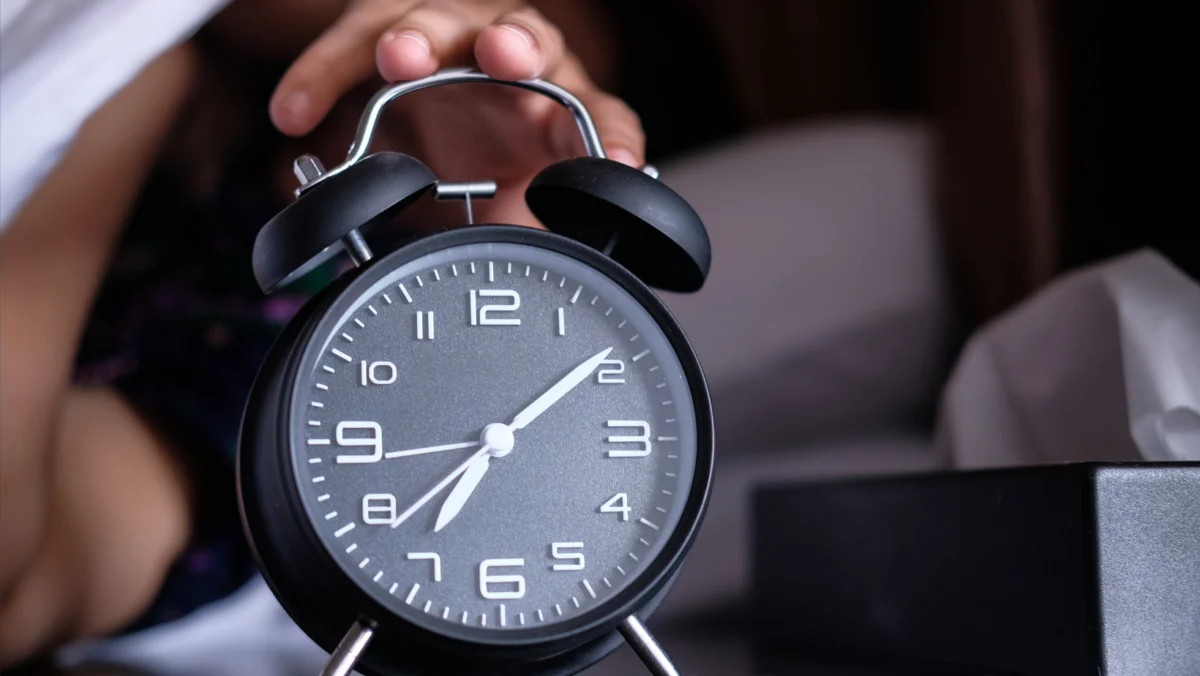
The hours that follow are a blur of physical bargaining. The sufferer employs every tool in their arsenal: adjusting pillows, shifting into positions prescribed by physical therapists, and attempting to force the mind into a state of slumber. By 10:14 p.m., the cycle of frustration is cemented. The clock becomes an antagonist. Checking the time serves only to heighten the anxiety of knowing that the window for rest is rapidly closing.
By 10:16 p.m., the pain has typically spread, reclaiming its territory. The psychological toll of these hours is immense; it is a period of internal debate—begging the body for a ceasefire that never comes. When the alarm finally sounds at 6:59 a.m., the transition from bed to the morning routine is not a start, but a continuation of the struggle. The sufferer has essentially "lost" the night, and the morning sun serves only as a reminder that the marathon of the day has begun.
The Architecture of Daily Survival
For those managing chronic conditions, the concept of "living" is restructured around a map of necessity. Daily life becomes an exercise in strategic planning that most people never have to consider.
The Calculus of Movement
Every mundane decision—choosing the closest parking spot, identifying the shortest path between campus buildings, or scouting for a place to sit between lectures—is a tactical maneuver. This is the "architecture of life" for the chronically ill. Energy is treated as a finite, non-renewable currency. Every unnecessary flight of stairs or extra walk across a quad is a debit from a bank account that is already overdrawn.
The Mask of Normality
Perhaps the most exhausting aspect of this existence is the performance of normalcy. Students and professionals alike often maintain high levels of academic or workplace output, concealing their internal struggle behind a simple, automatic response: "I’m good."
This social camouflage is a survival mechanism. To explain the true depth of one’s exhaustion—to describe the agony of calculating the number of stairs in a Physics building or the fear that one’s legs might give out before a crucial examination—is often too heavy a burden for daily conversation. Consequently, the sufferer lives in two worlds: one of external achievement and one of internal, silent depletion.
Supporting Data and Medical Context
Chronic pain, particularly conditions involving the lower back and neurological discomfort, affects approximately 20% of adults globally. According to data from the National Institutes of Health (NIH), chronic pain is a leading cause of disability and is inextricably linked to sleep disorders.
The neurological mechanism behind this is complex. Chronic pain signals can keep the central nervous system in a state of "hyper-arousal," preventing the brain from transitioning into the deep, restorative stages of REM sleep. When this occurs over months or years, the patient enters a cycle of "sleep-deprived pain amplification." In essence, the less a person sleeps, the more sensitive their nervous system becomes to pain, creating a feedback loop that is exceptionally difficult to break without professional intervention.
Furthermore, the psychological impact—often categorized as "pain-related distress"—leads to a reduction in executive function. Managing a degree in a field as rigorous as biology while dealing with constant physical discomfort requires a cognitive load that far exceeds that of a healthy peer.
Perspectives from the Medical Community
The medical community is increasingly shifting its focus toward "multimodal pain management." While pharmacological approaches remain common, experts are placing greater emphasis on the psychological aspect of chronic pain.
Dr. Elena Vance, a specialist in pain management, notes: "The frustration described by patients is not merely emotional; it is a physiological response to a lack of autonomic regulation. When a patient feels they are ‘bargaining’ with their body, they are describing the struggle to downregulate a nervous system that is stuck in a ‘fight or flight’ mode. Our goal is to provide the tools—through physical therapy, CBT, and targeted interventions—to help the patient reclaim their agency."
However, medical professionals also acknowledge the gap between clinical solutions and the lived experience. "We can prescribe exercises and medication," says Dr. Marcus Thorne, a neurologist, "but we cannot prescribe the resilience required to navigate the daily, repetitive exhaustion that these patients face. That resilience is something the patient builds internally."
Implications for Quality of Life
The implications of living in this state are far-reaching, affecting personal relationships, academic performance, and long-term mental health.
- Social Isolation: The inability to participate in spontaneous social activities—like late-night outings—often leads to a shrinking social circle. The guilt associated with saying "no" adds another layer of emotional fatigue to the physical burden.
- Academic and Professional Burnout: There is a constant fear that the "mask" will slip. The pressure to perform at a high level while in pain leads to a heightened risk of burnout, as the individual has no "off switch" to recharge.
- Redefining "Tired": The semantic shift of the word "tired" is profound. For the healthy, "tired" is a consequence of exertion; for the chronically ill, it is a default setting. The loss of the "promise of rest" is a significant psychological blow that requires constant re-adjustment of one’s identity and goals.
Conclusion: The Stubbornness of Existence
The final, and perhaps most critical, takeaway from the experience of chronic pain is the shift in perspective regarding the act of "getting up." Many who suffer from these conditions feel as though they are losing a battle each morning. However, there is a burgeoning movement in patient advocacy that reframes this behavior as a form of profound resilience.
To continue to plan, to study, to attend classes, and to persist in the face of unrelenting discomfort is not merely surviving; it is an act of creation. The exhaustion does not define the individual; it is simply a backdrop to the life they are constructing, one day at a time. The recognition that the exhaustion is "not all of me" is the crucial insight that allows for long-term endurance. While the medical community continues to work on treatments, the real story lies in the quiet, uncelebrated strength of those who, despite everything, wake up, stand up, and move forward.