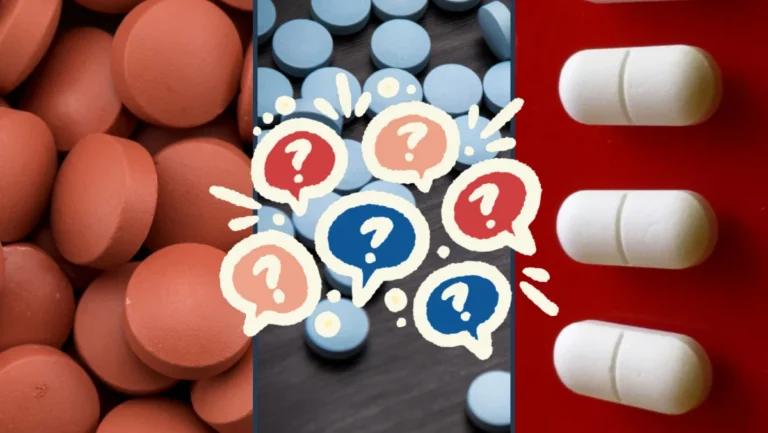






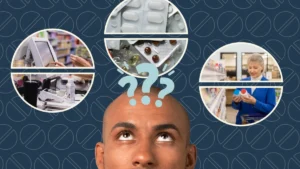




When was the last time you reached into your medicine cabinet for a quick fix? Perhaps it was a standard tablet for a tension headache, a topical cream for aching joints, or a steady regimen of anti-inflammatories to navigate the rigors of chronic pain. For millions of Americans, over-the-counter (OTC) pain relievers are a ubiquitous part of daily life—available in every pharmacy, grocery store, and even at the local gas station.
Yet, this familiarity often breeds a dangerous sense of complacency. While these medications are accessible without a prescription, they are not inherently "simple." The U.S. Pain Foundation (USPF) has identified a critical knowledge gap in how these products are used, leading them to dedicate November 2026 to a nationwide educational initiative: #KNOWyourOTCs. This month-long campaign aims to empower patients and caregivers to demystify the labels, understand the risks of ingredient stacking, and advocate for more robust, individualized pain management strategies.
The Reality of Persistent Pain: Data-Driven Insights
To understand the scope of the problem, the U.S. Pain Foundation conducted an extensive national survey earlier this year, polling 2,474 adults living with persistent pain and 538 unpaid caregivers. The resulting report paints a picture of a population relying heavily on OTC solutions, often without the comprehensive guidance required for safe, long-term management.
The findings highlight a startling trend: for many, OTC medications are not an "occasional" convenience; they are a cornerstone of daily survival. Respondents indicated that they utilize these drugs to maintain functionality, manage debilitating flares, and cope with the relentless nature of chronic conditions. However, the data also reveals a significant deficit in patient education. Many users are unaware of the pharmacological interactions between different OTC classes, such as acetaminophen and non-steroidal anti-inflammatory drugs (NSAIDs), or how these medications might interact with other treatments for cold, flu, or sleep.
This reliance, coupled with a lack of specific clinical guidance, has prompted the USPF to push for a cultural shift: we must stop viewing OTC drugs as harmless commodities and start treating them as active pharmacological interventions that require diligence and expertise.
Chronology of a Crisis: The Evolution of OTC Usage
The rise of OTC pain management is a byproduct of both convenience and a strained healthcare system. Over the last three decades, the transition of many once-prescription medications to OTC status has increased access but has not been matched by a corresponding increase in patient literacy.
- 1990s–2000s: The "OTC Era" begins to expand rapidly as manufacturers successfully petition for the reclassification of various NSAIDs and antihistamines to OTC status. The consumer mindset shifts toward self-diagnosis and self-treatment.
- 2015–2020: As the opioid crisis highlights the dangers of prescription painkillers, the medical community begins to steer patients toward non-opioid alternatives. OTC medications are increasingly positioned as the first line of defense.
- 2024–2025: Research begins to emerge regarding the cumulative health impacts of long-term, unmonitored OTC usage, including potential risks for liver toxicity (with acetaminophen) and gastrointestinal or cardiovascular issues (with NSAIDs).
- November 2026: The U.S. Pain Foundation launches the #KNOWyourOTCs campaign, marking a formal, systematic effort to bridge the gap between product availability and patient knowledge.
The Complexity of the "Simple" Pill
One of the most persistent misconceptions in public health is that "OTC" equates to "harmless." The reality is far more nuanced. Different active ingredients—acetaminophen, ibuprofen, naproxen sodium, and aspirin—carry unique physiological profiles and risk factors.
The danger is often magnified by the phenomenon of "ingredient stacking." A consumer might take a pain reliever for a backache, then consume a multi-symptom cold and flu medicine, and perhaps an allergy aid at night. Without a careful review of the "Drug Facts" label, that individual may inadvertently ingest double or triple doses of the same active ingredient, particularly acetaminophen, which is found in hundreds of different products.
Furthermore, these OTC agents do not operate in a vacuum. They can conflict with prescription medications, underlying health conditions (such as hypertension or kidney disease), and age-specific sensitivities. Caregivers, in particular, face the daunting task of managing these combinations for loved ones, often navigating a labyrinth of dosages and timing intervals without adequate training.
Official Responses and Clinical Perspectives
Medical professionals have long urged caution, but the "KNOWyourOTCs" campaign is the first time such a significant patient advocacy organization has made this the focal point of a national month-long initiative.
According to the U.S. Pain Foundation, the feedback from the community is clear: education is a prerequisite for safety, but it is not a cure-all for pain. The organization emphasizes that while learning to use OTCs correctly is vital, the ultimate goal is to move beyond "quick fixes" toward comprehensive, patient-centered pain management.
"Pain management is not one-size-fits-all," the Foundation stated in their campaign launch. "People deserve more than just instructions on a bottle; they deserve access to a full range of treatment options, including physical therapy, integrative medicine, and specialized care."
Implications for the Future: A Call to Action
The implications of this campaign are far-reaching. By encouraging patients to ask the right questions—such as "Is this safe to combine with my blood pressure medication?" or "How long is it safe to take this daily?"—the USPF hopes to reduce the incidence of preventable medication errors and improve overall patient outcomes.
The "KNOWvember" campaign is structured to provide practical, accessible tools for the public. This includes:
- Direct Engagement: The "You Asked. We’re Answering." series, which allows patients to submit real-world questions to experts.
- Educational Resources: Curated guides on how to interpret the Drug Facts label, identify hidden ingredients, and track medication logs.
- Caregiver Support: Specialized resources for those managing the medications of children, elderly family members, or those with complex chronic conditions.
The #KNOWyourOTCs movement is an invitation to shift from passive consumption to active management. As the U.S. Pain Foundation reminds us, "No question is too basic." By fostering an environment where patients feel comfortable interrogating their treatment plans, the foundation hopes to empower the millions of Americans living in pain to take control of their health with confidence and clarity.
Moving Forward: How to Participate
For those living with pain or caring for others, the path forward begins with a conversation. The U.S. Pain Foundation is encouraging the public to visit their dedicated KNOWyourOTCs page throughout November to access these resources.
The campaign is a vital reminder that in the journey toward pain relief, knowledge is the most effective medicine of all. As you head into this month, consider your own habits: Do you know what is in your cabinet? Do you know what to ask your pharmacist? The answers to these questions could be the difference between temporary relief and a safer, more sustainable path to wellness.
Disclaimer: This article is provided for educational purposes only and does not constitute medical advice, diagnosis, or treatment. Always follow the official Drug Facts label on your medication packaging and consult with a licensed healthcare professional, such as a pharmacist or primary care physician, regarding your specific medical needs, medication interactions, or dosage requirements.