









Stepping into a high-end steakhouse can be an exercise in sensory overload. From the aroma of searing fat to the hushed, refined atmosphere of the dining room, the experience is designed to be the pinnacle of a carnivorous indulgence. Yet, once the leather-bound menu is opened, many diners find themselves paralyzed by choice. With price tags varying wildly and a lexicon of terms—marbling, grain, aging, and provenance—it is easy to succumb to the "most expensive equals best" fallacy.
However, choosing the perfect steak is not about the bottom line; it is about matching your personal palate to the specific biological characteristics of the cut. To demystify the process, we turned to Jorge Thomas, a renowned chef, expert butcher, and the founder of the esteemed Swaledale Butchers. Thomas, who has dedicated his career to the craft of animal husbandry and precision butchery, offers a masterclass in how to navigate the steakhouse menu, ensuring your next dinner is not just a meal, but a calculated gastronomic success.
The Philosophy of the Cut: Understanding Marbling and Muscle
Before diving into the specifics of individual cuts, one must understand what drives the flavor profile of a steak. The primary factors are muscle usage and fat distribution, commonly known as marbling.
"Marbling is the intra-muscular fat that melts during the cooking process," Thomas explains. "It acts as a self-basting mechanism, carrying flavor and providing that luxurious mouthfeel we associate with high-quality beef. However, different muscles work differently. A muscle that does very little work, like the tenderloin, will be soft but lean. A muscle that does more work, like the ribeye, will be flavorful and fatty. Your choice should depend entirely on whether you prioritize the ‘melt-in-your-mouth’ experience or the ‘deep, beefy’ intensity."

1. The Ribeye: The Gold Standard of Richness
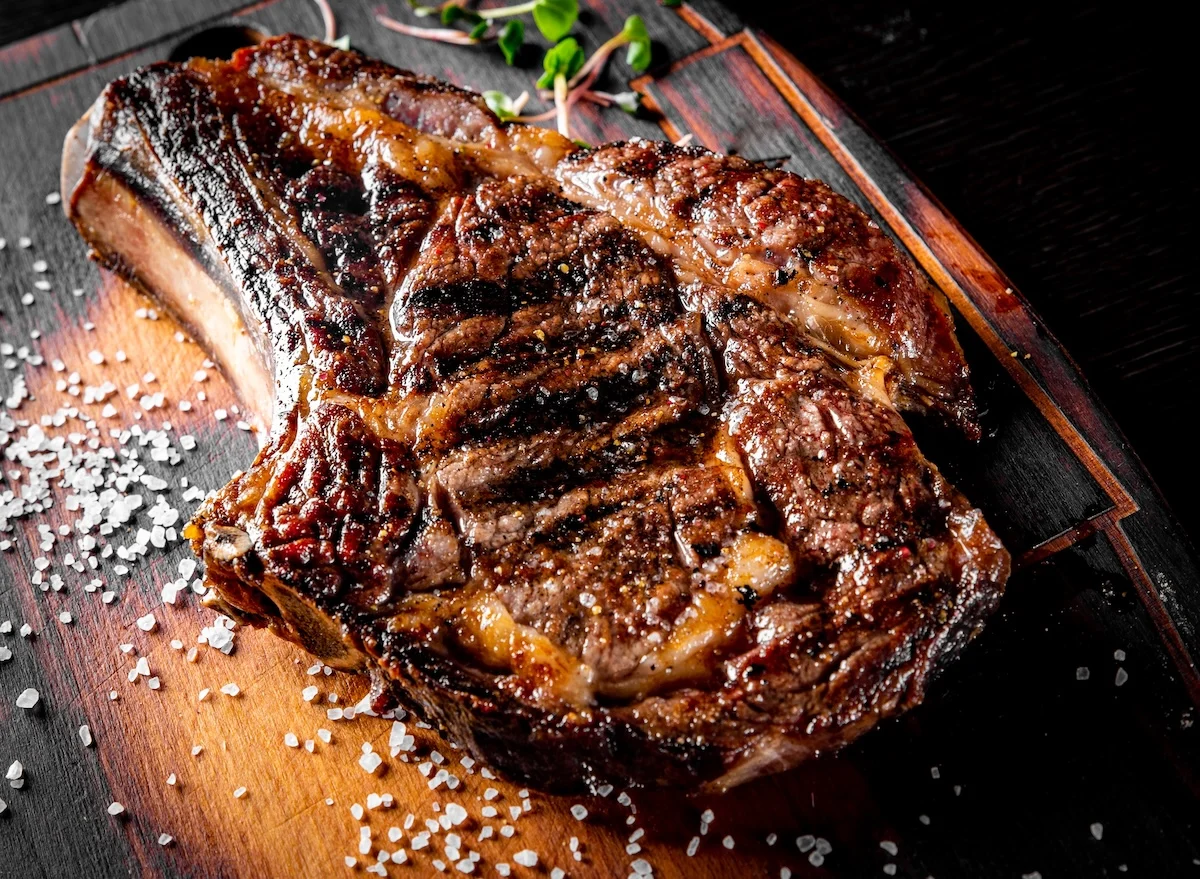
For many, the ribeye is the undisputed king of the steakhouse. It is a cut derived from the rib section of the cow, a muscle that doesn’t do much heavy lifting, resulting in a tender meat that is interlaced with generous ribbons of intramuscular fat.
The Butcher’s Take
"If I am at a restaurant, the ribeye is almost always my first choice," Thomas admits. "I am looking for that specific richness that only comes from that degree of marbling. It has a depth of flavor that leaner cuts simply cannot replicate."
Preparation and Technique
Thomas offers a specific piece of advice regarding the preparation of a ribeye: avoid ordering it rare. "I’d order it medium-rare rather than rare," he notes. "While rare is a popular choice for leaner steaks, the ribeye needs that extra minute of heat to fully render the fat. You want the fat softened so it coats the palate. When that fat is rendered properly, the beefy character of the meat is elevated to a different level."
2. The New York Strip: The Balanced Performer
Often referred to as the "sirloin" in the United Kingdom, the New York Strip is the quintessential steak for those who crave a middle ground. It offers more texture and structure than the tenderloin, yet it avoids the overwhelming richness of the ribeye.

Why It Resonates
The strip steak is cut from the short loin, a muscle that provides a balance between tenderness and a robust, meaty chew. It is a favorite among those who enjoy the act of eating steak—the bite, the pull, and the intense flavor of the muscle fiber itself.
The Culinary Logic
"I order a New York Strip when I want plenty of beef flavor without the intensity of a ribeye," Thomas explains. "There is more bite to it than a fillet, which I enjoy. For me, tenderness is not the only, or even the primary, reason to choose a steak. If you want to actually taste the characteristics of the beef, the strip is a superior choice."
3. The Filet Mignon: The Pinnacle of Tenderness
The filet mignon (tenderloin) has long held a reputation as the most luxurious cut on the menu, primarily due to its scarcity and its unmatched texture. It is a muscle that performs almost no work during the animal’s life, resulting in a grain so fine it feels like velvet on the tongue.
The Lean Reality
Because the filet is exceptionally lean, it lacks the deep, nutty, or savory fat notes of the ribeye. It is a delicate experience that demands a different approach.

Proper Pairing
"If tenderness is your only metric, the fillet is your destination," Thomas says. "But you have to adjust your expectations. Because it is lean, it doesn’t have that punch of richness. I would always pair it with a classic sauce—like a béarnaise or a peppercorn cream—to compensate for that lack of fat. Don’t expect it to eat like a ribeye; it’s a different culinary category entirely."
4. T-Bone and Porterhouse: The Dual Experience
The T-bone and the Porterhouse are the titans of the steakhouse. They are, in essence, two steaks in one: a strip steak on one side of the T-shaped lumbar bone and a filet mignon on the other.
Distinguishing the Two
The distinction between the two is simple but vital: the size of the filet portion. A Porterhouse contains a larger portion of the tenderloin, making it a more substantial option for those who want both the richness of the strip and the tenderness of the filet.
The Strategic Order
"For a sharing experience, the Porterhouse is the clear winner," Thomas advises. "You get the best of both worlds. However, there is a catch: the bone. The weight listed on the menu includes the bone, which adds a significant amount of mass that isn’t edible. Always check the weight to ensure you’re getting enough actual meat for your group."

5. Skirt Steak: The Underappreciated Flavor Bomb
While often relegated to the "bistro" or "appetizer" section of the menu, the skirt steak is a favorite among professional chefs and butchers. It is a long, thin cut from the plate section of the cow, known for its coarse grain and intense, deep flavor.
The Importance of the Grain
"If skirt is on the menu, I’m interested," says Thomas. "It has a deep, concentrated beef flavor that is far more ‘beefy’ than a fillet. The key to enjoying it is the technique: it must be sliced across the grain. If you slice with the grain, it will be tough and chewy. If you slice it correctly, the texture is fantastic."
Chronology of Quality: From Farm to Plate
To understand why these cuts differ, one must look at the timeline of the beef. The quality of the steakhouse experience is a result of a multi-stage process:
- Provenance: The breed and diet of the cattle. Grass-fed vs. grain-finished cattle produce different fat structures.
- Aging: Dry-aging is the process of hanging meat in a temperature-controlled environment for weeks. This draws out moisture and allows enzymes to break down connective tissue, intensifying the flavor.
- The Butcher’s Blade: Precision cutting removes excess gristle and ensures the steak is the correct thickness for the grill.
- The Sear: The final, most critical stage. Whether done over wood, charcoal, or high-heat gas, the Maillard reaction—the browning of the meat—creates the crust that locks in the flavor.
Supporting Data: Understanding the "Steakhouse Math"
When evaluating your choice, consider the following metrics:

- Marbling Score: Higher marbling (like Wagyu) provides more tenderness but can be overwhelming in large portions.
- Thickness: A steak under one inch will likely overcook before achieving a proper crust. Look for 1.5 to 2 inches for the ideal interior-to-crust ratio.
- Bone-In Benefit: Bones act as an insulator, slowing the cooking process slightly and, according to many, adding a subtle depth of flavor to the meat adjacent to the bone.
Implications for the Modern Diner
The modern steakhouse experience is evolving. As consumers become more educated about the source of their food, the conversation is shifting from "how much does it cost?" to "how was it raised?"
Choosing the right cut is not just about personal preference; it is an act of appreciation for the animal and the craft of the butcher. By understanding that a ribeye requires a medium-rare finish to render its fat, or that a skirt steak demands a precise, perpendicular slice to reveal its tenderness, the diner transforms from a passive consumer into an active participant in the meal.
Ultimately, Jorge Thomas’s advice serves as a reminder: there is no single "best" steak. There is only the best steak for your current appetite. Whether you opt for the opulent, melting richness of the ribeye or the bold, primal intensity of the skirt, the key to a great steakhouse meal lies in understanding what is on your plate before the first bite is even taken.